Opening a jar, carrying shopping, holding a handrail or turning a key can feel harder than it used to. Grip strength is part of everyday life, yet it is easy to overlook until simple tasks take more effort. The good news is that hands and forearms often respond well to gentle, regular practice. This guide looks at what the evidence suggests, with practical home-friendly ideas and sensible cautions. What grip strength benefits really mean Researchers often use grip strength as a simple marker of overall muscle function because it is easy to measure and reflects how well the hands and forearms work together. In studies of adults, stronger grip tends to sit alongside better mobility and an easier time with daily activities. That does not mean a hand exerciser can guarantee any particular health outcome. It does suggest that keeping the hands active is a worthwhile part of a balanced routine , alongside walking, leg strength and balance practice. Many people find the most noticeable ch...
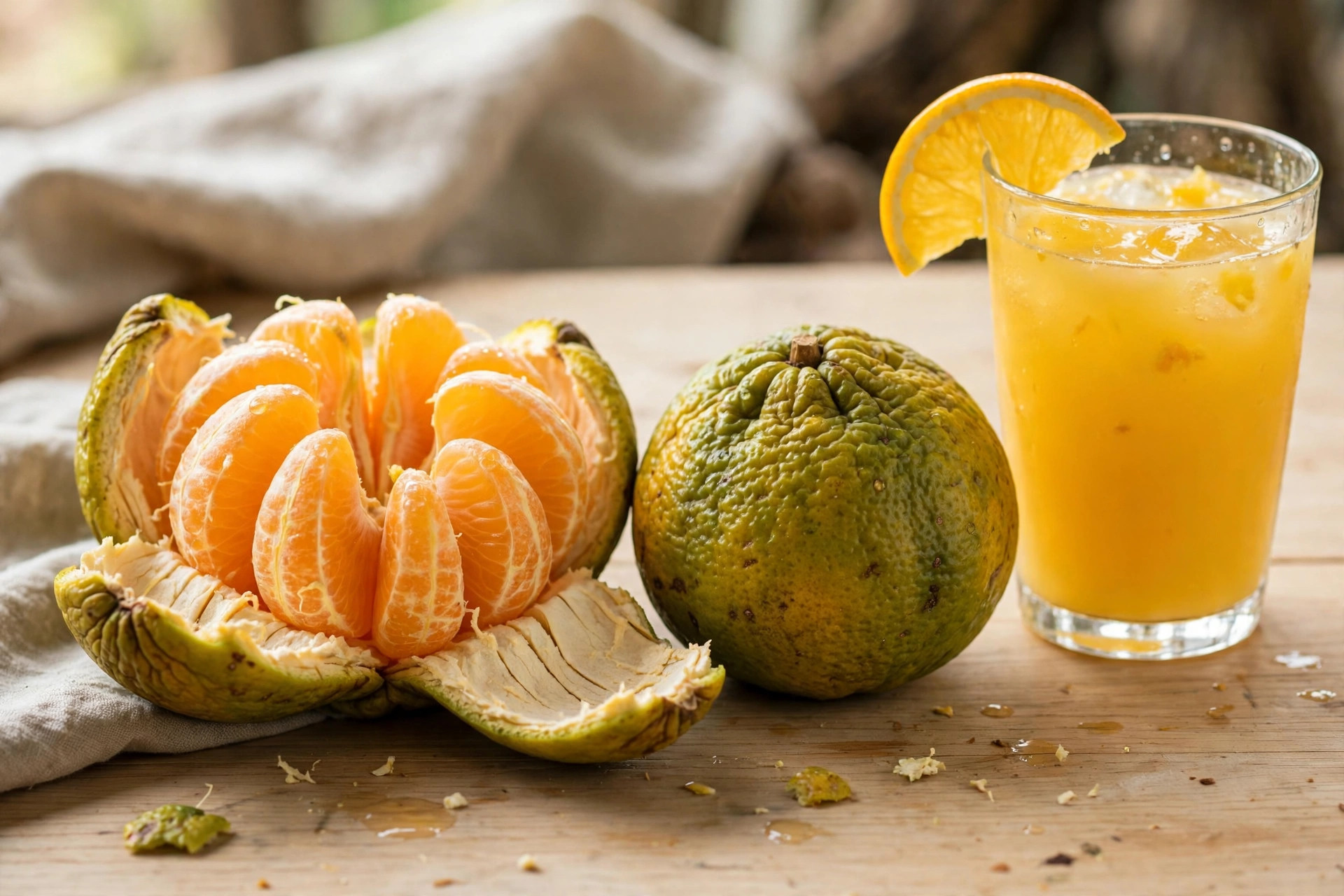
Ugli fruit may have an unfortunate name, but this Jamaican citrus deserves a second look. A natural cross between a mandarin orange and a grapefruit, sometimes called a Jamaican tangelo or uniq fruit, it hides sweet, tangy, juicy segments beneath a thick, wrinkled, green-yellow rind. With only around 47 calories per 100 grams and close to a day's worth of vitamin C in the same serving, it is a gentle, practical addition to an everyday wellness routine.
Ugli Fruit Benefits: What the Evidence Really Says
Most of what we know about ugli fruit comes from its nutritional profile and from research on citrus fruits generally, rather than from large trials on the fruit itself. That is worth keeping in mind: the evidence is promising and consistent with what citrus offers, but it is not a licence to expect dramatic results from any single food.
Vitamin C for Immunity and Skin
Half of one ugli fruit, roughly 100 grams, provides about 90% of the daily value for vitamin C. Vitamin C supports the normal functioning of the immune system and plays a central role in collagen production, the protein that helps keep skin firm and supports wound healing. It also acts as an antioxidant, helping to protect cells from the everyday damage caused by free radicals. Many people find that a vitamin C-rich fruit at breakfast is one of the easiest habits to keep.
Gentle Fibre for Digestion
Ugli fruit supplies around 2 grams of fibre per 100 grams, along with plenty of water. Fibre supports regular bowel movements and feeds the friendly bacteria in the gut, while the fruit's natural juiciness makes it a refreshing choice after a meal. Eaten fresh, it is a simple way to add a little more fibre without changing the rest of your diet.
A Light Option for Weight and Energy
At roughly 45–47 calories per 100 grams, ugli fruit is a low-energy-density food: you get a satisfying portion for very few calories. Its natural sugars come packaged with fibre and water, which many people find more filling than the same calories from a processed snack. It will not melt away weight on its own, but as a swap for a biscuit or a sweetened drink it is a sensible step.
Flavonoids, Folate and Everyday Heart Health
Like other citrus fruits, ugli fruit contains flavonoids such as hesperidin and naringin, plant compounds studied for their antioxidant and anti-inflammatory effects. It also provides small amounts of folate, potassium and calcium, nutrients that play a part in normal metabolism, muscle function and bone health. A varied diet rich in whole fruits remains the most reliable route to these benefits.
How to Eat Ugli Fruit
Choose fruit that feels heavy for its size with a little give when pressed; blotchy green-yellow skin is normal and does not mean it is unripe. Peel it like a mandarin, or halve it and scoop out the segments like a grapefruit. It is lovely eaten fresh, tossed into a fruit salad, or squeezed into a morning juice. Keep it at room temperature for a few days or in the fridge for up to two weeks.
A note of caution: ugli fruit is related to grapefruit, so if you take medicines that carry a grapefruit warning, check with your pharmacist before eating it regularly. The interaction risk appears lower than with grapefruit, but it is worth a quick check. As with any new food, introduce it gradually if you have a sensitive stomach.
Related reading on Organic Health Fix
- Kiwiberry Benefits: What the Evidence Really Says
- Saskatoon Berry Benefits: What the Evidence Really Says
- Chokecherry Benefits: What the Evidence Really Says
Tags: #UgliFruit #VitaminC #NaturalRemedies #WellnessTips #GutHealth #CitrusFruit #HealthyEating #ImmuneSupport
Comments
Post a Comment