Opening a jar, carrying shopping, holding a handrail or turning a key can feel harder than it used to. Grip strength is part of everyday life, yet it is easy to overlook until simple tasks take more effort. The good news is that hands and forearms often respond well to gentle, regular practice. This guide looks at what the evidence suggests, with practical home-friendly ideas and sensible cautions. What grip strength benefits really mean Researchers often use grip strength as a simple marker of overall muscle function because it is easy to measure and reflects how well the hands and forearms work together. In studies of adults, stronger grip tends to sit alongside better mobility and an easier time with daily activities. That does not mean a hand exerciser can guarantee any particular health outcome. It does suggest that keeping the hands active is a worthwhile part of a balanced routine , alongside walking, leg strength and balance practice. Many people find the most noticeable ch...
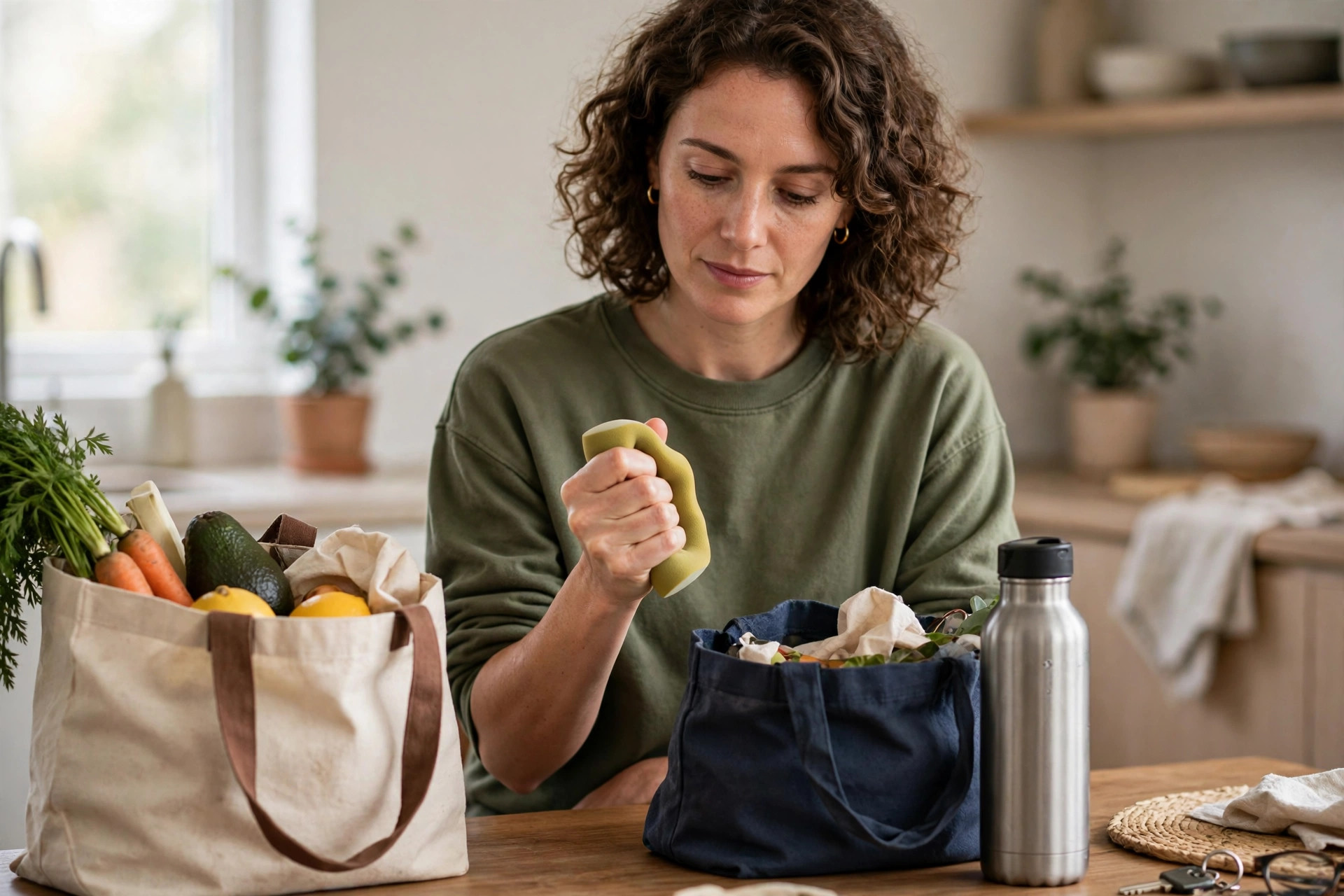
Opening a jar, carrying shopping, holding a handrail or turning a key can feel harder than it used to. Grip strength is part of everyday life, yet it is easy to overlook until simple tasks take more effort. The good news is that hands and forearms often respond well to gentle, regular practice. This guide looks at what the evidence suggests, with practical home-friendly ideas and sensible cautions.
What grip strength benefits really mean
Researchers often use grip strength as a simple marker of overall muscle function because it is easy to measure and reflects how well the hands and forearms work together. In studies of adults, stronger grip tends to sit alongside better mobility and an easier time with daily activities. That does not mean a hand exerciser can guarantee any particular health outcome. It does suggest that keeping the hands active is a worthwhile part of a balanced routine, alongside walking, leg strength and balance practice.
Many people find the most noticeable change is practical rather than dramatic: bags feel more manageable, jars need less wrestling, and holding tools or utensils feels steadier. Small improvements can support confidence at home, especially when combined with general activity.
Simple home exercises for stronger hands
You do not need a gym or heavy equipment. A soft ball, a rolled towel, a light grip trainer or even a full water bottle can provide gentle resistance. Start with the lightest option that feels comfortable, and keep movements slow and controlled.
Three easy starting points
Soft squeezes: hold a soft ball or rolled towel, squeeze gently for a few seconds, then release fully. Repeat several times on each hand, resting whenever needed.
Towel holds: grip a towel with both hands and pull lightly in opposite directions, as if wringing it slowly. This encourages the fingers, thumbs and forearms to work together.
Carry practice: carry a light shopping bag or water bottle for a short, comfortable distance indoors. Put it down before your grip feels strained, and build up gradually over time.
A gentle weekly routine
Short sessions are usually easier to keep up than long ones. Many people begin with two or three brief sessions a week, each lasting only a few minutes. Warm your hands first by opening and closing the fingers, then work through one or two exercises at an easy pace. Progress can be as simple as adding a repetition, holding a squeeze slightly longer, or choosing a marginally firmer ball after several comfortable weeks.
Consistency matters more than intensity. Pairing hand practice with an existing habit, such as after a morning walk or while the kettle boils, can make it feel like a natural part of the day rather than another chore.
Sensible cautions
Gentle effort is the aim. Hands should feel worked, not painful. Stop and rest if you notice sharp pain, numbness or lingering soreness, and avoid squeezing through discomfort. People with ongoing hand, wrist or joint problems may prefer especially light resistance and shorter sessions. This article is general wellness information only and is not medical advice.
Related reading on Organic Health Fix
- Heel Raises Benefits: What the Evidence Really Says
- Hip Mobility Benefits: What the Evidence Really Says
- Dog Walking Benefits: What the Evidence Really Says
Tags: #GripStrength #GentleExercise #WellnessTips #HealthyAgeing #StrengthTraining #HomeFitness
Comments
Post a Comment