Opening a jar, carrying shopping, holding a handrail or turning a key can feel harder than it used to. Grip strength is part of everyday life, yet it is easy to overlook until simple tasks take more effort. The good news is that hands and forearms often respond well to gentle, regular practice. This guide looks at what the evidence suggests, with practical home-friendly ideas and sensible cautions. What grip strength benefits really mean Researchers often use grip strength as a simple marker of overall muscle function because it is easy to measure and reflects how well the hands and forearms work together. In studies of adults, stronger grip tends to sit alongside better mobility and an easier time with daily activities. That does not mean a hand exerciser can guarantee any particular health outcome. It does suggest that keeping the hands active is a worthwhile part of a balanced routine , alongside walking, leg strength and balance practice. Many people find the most noticeable ch...
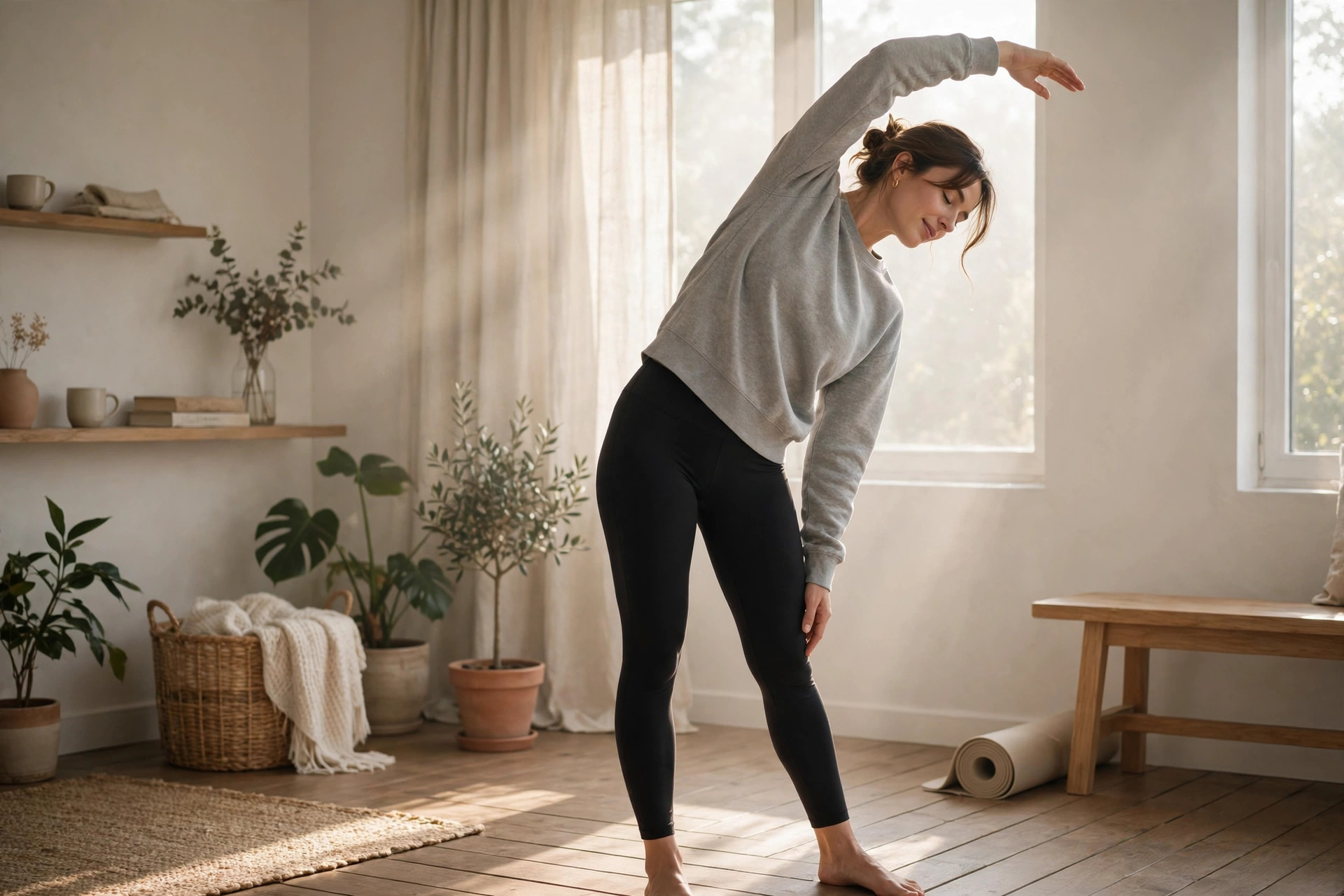
Stretching is a habit almost everyone has tried, often after a long day at a desk. It feels simple and soothing, but what does the research actually support? The honest answer is encouraging in one clear area and more cautious in others. Stretching can help you move a joint more freely when you do it regularly, yet it is not a magic shield against every ache or injury.
Stretching Benefits: What the Evidence Supports
The strongest finding is about range of motion — how far a joint can move comfortably. A large systematic review and meta-analysis of 77 studies found that stretch training done frequently for at least two weeks can increase joint range of motion compared with no stretching. In that review, long-term static stretching and a technique called proprioceptive neuromuscular facilitation tended to produce greater gains than dynamic or ballistic stretching.
Researchers think two things may be happening over time: the muscle and tendon tissues become a little less stiff, and your body becomes more tolerant of the stretch sensation. That is why consistency matters more than intensity. Many people find that short, regular sessions feel more sustainable than one long, forceful session, and the research on flexibility generally points in the same direction.
What Stretching Probably Cannot Do
It helps to keep expectations realistic. Stretching is often said to prevent injuries or speed up recovery, but expert reviews have found the evidence for those claims to be weak or mixed overall. A gentle stretch before activity may feel pleasant, yet long, intense static holds immediately before fast or powerful exercise can temporarily reduce performance for some people.
That does not make stretching pointless. Its clearest benefit is helping you maintain or improve flexibility, which can make everyday movements — reaching, bending, turning — feel easier. Think of it as one part of a balanced routine alongside walking, strength work and rest.
A Gentle Stretching Routine to Try at Home
General guidance from the American College of Sports Medicine suggests flexibility exercises for the major muscle groups on at least two days a week, with each stretch held for about 10 to 30 seconds and repeated two to four times, totalling around 60 seconds per exercise. Many people find it comfortable to stretch after a short walk or at the end of the day, when muscles feel warm.
Simple stretches to start with
Try a standing calf stretch against a wall, a seated hamstring stretch with a straight back, a chest opener in a doorway, and a gentle neck and shoulder release. Move slowly into each position until you feel a mild pull, breathe steadily, and avoid bouncing. You should feel tension, not sharp pain. A few minutes is enough to begin; you can build up gradually as the habit sticks.
Sensible Cautions
Stretch gently, especially if you are new to exercise or returning after a break. Warm up first with easy movement, keep breathing, and ease off if anything feels sharp, numb or unsteady. This article is general wellness information only, not medical advice. If you have persistent pain, a recent injury, or a health condition that affects movement, it is sensible to speak with a qualified health professional before starting a new routine.
Stretching can be a calm part of everyday wellbeing: a few quiet minutes, done often, to help joints move more freely.
Related reading on Organic Health Fix
- Chair Yoga Benefits: What the Evidence Really Says
- Posture Exercises Benefits: What the Evidence Really Says
- Resistance Bands Benefits: What the Evidence Really Says
Tags: #StretchingBenefits #Flexibility #WellnessTips #GentleExercise #HealthyHabits #NaturalRemedies
Comments
Post a Comment