Opening a jar, carrying shopping, holding a handrail or turning a key can feel harder than it used to. Grip strength is part of everyday life, yet it is easy to overlook until simple tasks take more effort. The good news is that hands and forearms often respond well to gentle, regular practice. This guide looks at what the evidence suggests, with practical home-friendly ideas and sensible cautions. What grip strength benefits really mean Researchers often use grip strength as a simple marker of overall muscle function because it is easy to measure and reflects how well the hands and forearms work together. In studies of adults, stronger grip tends to sit alongside better mobility and an easier time with daily activities. That does not mean a hand exerciser can guarantee any particular health outcome. It does suggest that keeping the hands active is a worthwhile part of a balanced routine , alongside walking, leg strength and balance practice. Many people find the most noticeable ch...
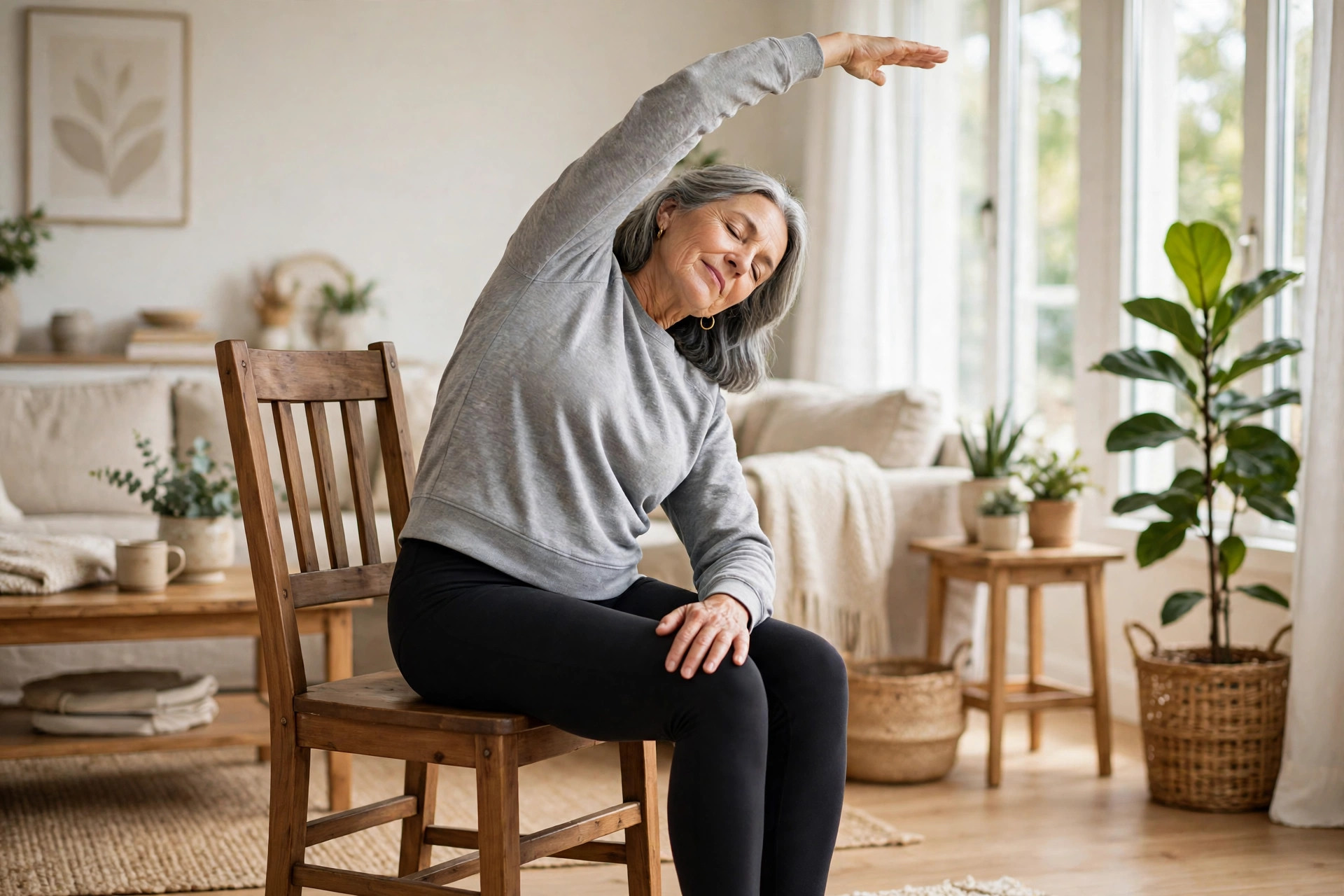
Chair yoga sounds almost too gentle to count as exercise, yet it is one of the most studied movements for people who find floor-based yoga out of reach. Traditional poses are adapted so they can be done seated, or standing while holding a sturdy chair for support. The chair removes the floor work and much of the fall risk, but not the effort. So what does the evidence really say? As ever, this is general wellness information, not medical advice.
Chair Yoga Benefits: What the Studies Show
The strongest evidence comes from older adults, the group chair yoga was largely designed for. A 2022 systematic review gathered 75 studies, including 32 randomised controlled trials with nearly 3,000 participants aged from 50 to over 80. It found positive effects on physical function, mood and attention. Most programmes ran eight to 12 weeks, two or three sessions a week, often with breathing exercises and relaxation.
A frequently cited 2017 trial followed 131 older adults with osteoarthritis in the hips, knees, ankles or feet. After eight weeks, participants reported less pain, less pain interference in daily life, and faster walking than a health-education comparison group. Reviews since then link chair-based practice with modest improvements in flexibility, range of motion, balance confidence and lower-limb strength. Effects are generally small to moderate rather than dramatic, and gains tend to fade when practice stops, so consistency matters more than intensity.
Why a Chair Makes Movement More Accessible
Many people avoid yoga because getting down to the floor and back up again feels difficult or unsafe. Chair yoga sidesteps that barrier. Seated poses let you stretch the spine, shoulders, hips and legs while the chair carries your weight, and standing poses can be practised with one hand on the chair back for balance. Slow, controlled movements suit people with stiff joints or balance concerns, and desk workers wanting a gentle break.
Honestly, though, chair yoga is not a substitute for aerobic exercise and progressive strength training, and no study shows it curing arthritis. Treat it as one supportive piece of an active week, alongside walking.
A Gentle Chair Yoga Routine to Try at Home
Choose a sturdy chair without wheels, feet flat on the floor. Sit tall near the front edge and breathe slowly. A simple 15-minute sequence:
- Seated cat-cow: round your back on an exhale, lift your chest on an inhale, five or six times.
- Seated side bends: raise one arm overhead and lean gently to the opposite side, three slow breaths each way.
- Seated twists: turn your upper body slowly to each side, keeping your hips facing forwards.
- Leg extensions: straighten one leg, flex the foot, lower slowly, five per side.
- Ankle circles: small movements that many people find help stiff feet and ankles feel looser.
Finish with a minute of slow breathing. Move only within a comfortable range, stopping if anything causes sharp pain or dizziness. Two or three sessions a week is a sensible rhythm.
Sensible Cautions
Chair yoga is widely regarded as low risk. Use a chair that will not slide, keep movements slow, and never force a stretch. If you have a medical condition or significant balance problems, checking with a health professional first is reasonable. Framed this way, chair yoga is a gentle, evidence-supported way to keep joints moving and confidence up.
Related reading on Organic Health Fix
- How to Improve Balance Naturally: 9 Gentle Everyday Habits
- Posture Exercises Benefits: What the Evidence Really Says
- Resistance Bands Benefits: What the Evidence Really Says
Tags: #ChairYoga #GentleExercise #WellnessTips #Balance #Flexibility #HealthyAgeing #NaturalRemedies
Comments
Post a Comment