Opening a jar, carrying shopping, holding a handrail or turning a key can feel harder than it used to. Grip strength is part of everyday life, yet it is easy to overlook until simple tasks take more effort. The good news is that hands and forearms often respond well to gentle, regular practice. This guide looks at what the evidence suggests, with practical home-friendly ideas and sensible cautions. What grip strength benefits really mean Researchers often use grip strength as a simple marker of overall muscle function because it is easy to measure and reflects how well the hands and forearms work together. In studies of adults, stronger grip tends to sit alongside better mobility and an easier time with daily activities. That does not mean a hand exerciser can guarantee any particular health outcome. It does suggest that keeping the hands active is a worthwhile part of a balanced routine , alongside walking, leg strength and balance practice. Many people find the most noticeable ch...
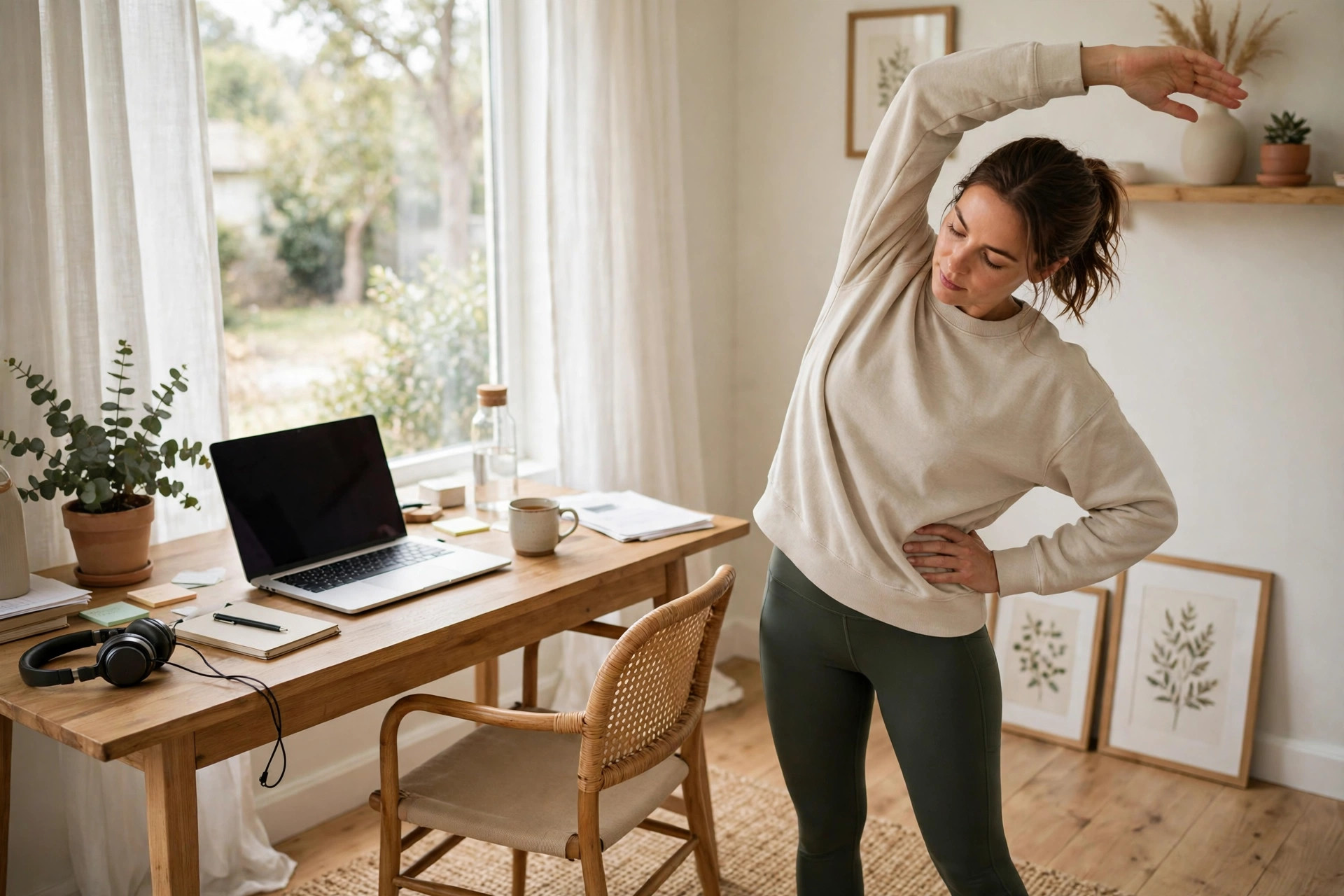
Many of us finish a day at a desk feeling stiff through the neck, shoulders and upper back, and wonder whether sitting up straighter would fix it. Posture exercises benefits are often described as if one perfect position could prevent every ache. The evidence is more modest: there is no single ideal posture for everyone, and comfort tends to come from moving regularly and gently strengthening supporting muscles.
What posture exercises benefits really mean
Posture exercises usually combine gentle stretches for the chest and hips with simple strengthening for the upper back, shoulders and glutes. Reviews of posture and spinal pain have found no strong consensus that one sitting posture causes back or neck pain. Corrective exercise can change alignment measures, such as forward head or rounded shoulder angles, but whether those changes reliably reduce pain is less certain. That does not make the exercises pointless. Trials in office workers suggest that stretching, active breaks and postural shifts may help some people feel more comfortable and may support recovery from neck and back discomfort.
In short, movement is the lever, not rigid straightness. A relaxed, supported position that you change often is generally kinder than forcing one shape for hours.
A gentle home routine to try
You do not need special equipment. Many people find a short routine, split into small blocks through the day, easier to keep than one long session. Try these gentle moves, stopping if anything feels sharp or uncomfortable:
Shoulder blade squeezes
Sit or stand tall but relaxed. Gently draw your shoulder blades together, hold for a few seconds, then release. Repeat slowly several times. This wakes up the upper-back muscles without strain.
Doorway chest stretch
Place a forearm lightly against a door frame and step through gently until you feel a mild stretch across the chest. Hold briefly, then switch sides. Keep the movement small and comfortable.
Chin tucks and wall angels
For chin tucks, sit comfortably and draw your chin straight back a little, as if making a gentle double chin, then release. For wall angels, stand with your back near a wall and slide your arms up and down slowly within a comfortable range.
Glute bridges and hip flexor stretch
Glute bridges, lying on your back with knees bent and lifting the hips a little, can help the hips share the load after long sitting. A gentle hip flexor stretch, with one foot stepped back and the pelvis tucked slightly, can ease the front of the hip.
Simple desk habits that help
Alongside exercises, small habits often matter more than perfect form. Take brief movement breaks every half hour or so: stand, walk to get water, or roll your shoulders. Keep your screen at a comfortable height, support your feet, and let your elbows rest near your body so your shoulders can relax. Traditionally, people are told to sit up straight; in practice, many people find that changing position often feels better than holding any one position.
Sensible cautions
This is general wellness information, not medical advice. Gentle exercise should feel mild, not painful. Stop and seek professional advice if you have persistent, worsening or unexplained pain, numbness, weakness, dizziness, or a recent injury or surgery. People with spine or bone conditions should check with a clinician before starting a new exercise routine. If discomfort keeps returning, a qualified physiotherapist can help tailor exercises to you.
Related reading on Organic Health Fix
- Resistance Bands Benefits: What the Evidence Really Says
- Walking Benefits: What the Evidence Really Says
- Body Scan Meditation Benefits: What the Evidence Really Says
Tags: #PostureExercises #WellnessTips #GentleExercise #DeskHealth #HealthyHabits #NaturalRemedies
Comments
Post a Comment