Opening a jar, carrying shopping, holding a handrail or turning a key can feel harder than it used to. Grip strength is part of everyday life, yet it is easy to overlook until simple tasks take more effort. The good news is that hands and forearms often respond well to gentle, regular practice. This guide looks at what the evidence suggests, with practical home-friendly ideas and sensible cautions. What grip strength benefits really mean Researchers often use grip strength as a simple marker of overall muscle function because it is easy to measure and reflects how well the hands and forearms work together. In studies of adults, stronger grip tends to sit alongside better mobility and an easier time with daily activities. That does not mean a hand exerciser can guarantee any particular health outcome. It does suggest that keeping the hands active is a worthwhile part of a balanced routine , alongside walking, leg strength and balance practice. Many people find the most noticeable ch...
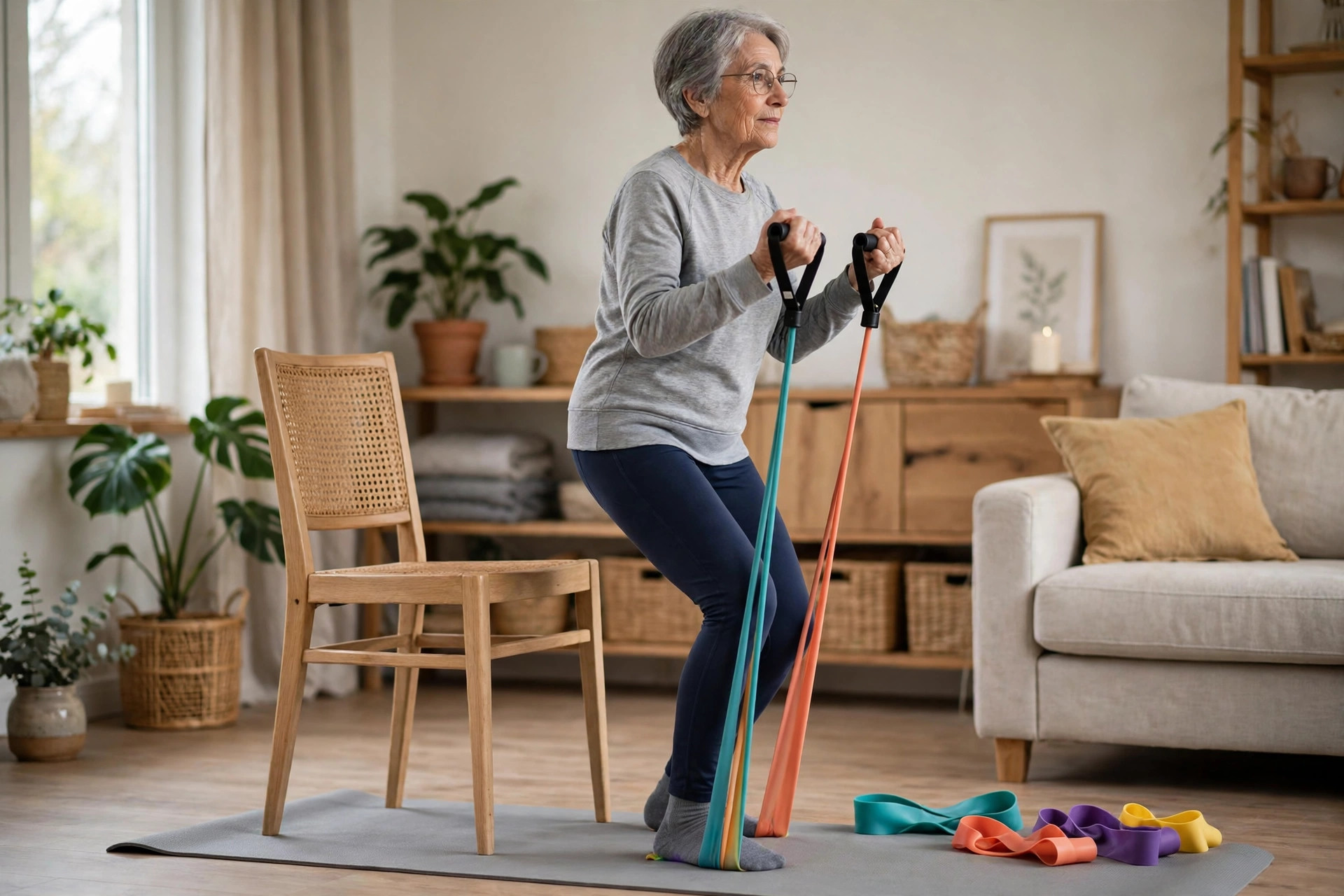
Resistance bands are one of the simplest ways to add strength work at home. They are light, inexpensive and easy to store, yet they can challenge the arms, legs and trunk without bulky equipment. Many people like them because the resistance feels gentle at first and builds as the band stretches. The evidence is encouraging, especially for older adults, although bands are not a shortcut around regular practice or sensible progression.
Resistance bands benefits: what the evidence says
Research consistently finds improvements in muscle strength. A systematic review in older adults reported strong effects in healthy participants and moderate effects in people with health conditions. A 2025 review of 25 randomised trials involving 1,318 older adults also found better leg-extension and chair-stand performance, plus improvements in timed up-and-go and functional-reach tests. These outcomes relate to standing from a chair, climbing steps and moving with confidence.
Balance may also improve, sometimes within shorter programmes, while strength gains tend to be greater when training continues for longer and the challenge increases gradually. Another review found possible benefits for flexibility, endurance and mental wellbeing, but studies varied widely. The strongest message is consistency: regular, progressive practice matters more than owning several bands or copying an intense workout.
Why bands suit gentle home exercise
Bands let you adjust effort by changing your grip, stepping farther from an anchor point or choosing a different tension. They can support seated rows, standing leg work, chest presses and gentle shoulder exercises. With no heavy weight to lift from the floor, many beginners find them less intimidating than dumbbells. They are also quiet and portable, making short sessions easier to fit into a busy day.
That does not make every movement automatically safe. A band can slip, snap if damaged, or pull a joint awkwardly. Inspect it before use, keep it away from sharp edges and avoid stretching it towards your face. Choose a tension that lets you move slowly. Mild muscle effort is expected; sharp pain, dizziness or unusual breathlessness are reasons to stop.
A simple starter routine
Begin with two or three non-consecutive sessions each week. Warm up with easy walking or marching on the spot. Try sit-to-stands with a light band above the knees, seated rows, standing hip abductions while holding a chair, and band chest presses. Start with one set of six to ten controlled repetitions. When the final repetitions feel manageable for two sessions, add repetitions or use a slightly stronger band.
Keep the routine comfortable enough to repeat. A short session completed regularly is more useful than an exhausting workout followed by avoidance. Pairing band work with daily walking, adequate sleep and protein-rich meals can support general strength, but no habit guarantees a particular result.
Sensible cautions
People with recent surgery, unstable balance, significant joint pain, uncontrolled blood pressure or a history of falls should seek individual professional guidance first. This is general wellness information, not medical advice, and bands should not be presented as a treatment for any condition. If an exercise repeatedly causes pain, change it or leave it out.
For many people, resistance bands offer a practical middle ground between doing nothing and joining a gym. Used patiently, they may help maintain strength, support balance and make everyday movement feel more capable. Start light, progress slowly and let steady practice do the work.
Related reading on Organic Health Fix
- Walking Benefits: What the Evidence Really Says
- Walking After Meals Benefits: What the Evidence Really Says
- Body Scan Meditation Benefits: What the Evidence Really Says
Tags: #ResistanceBands #GentleExercise #StrengthTraining #Balance #HealthyAgeing #WellnessTips #HomeExercise
Comments
Post a Comment