Opening a jar, carrying shopping, holding a handrail or turning a key can feel harder than it used to. Grip strength is part of everyday life, yet it is easy to overlook until simple tasks take more effort. The good news is that hands and forearms often respond well to gentle, regular practice. This guide looks at what the evidence suggests, with practical home-friendly ideas and sensible cautions. What grip strength benefits really mean Researchers often use grip strength as a simple marker of overall muscle function because it is easy to measure and reflects how well the hands and forearms work together. In studies of adults, stronger grip tends to sit alongside better mobility and an easier time with daily activities. That does not mean a hand exerciser can guarantee any particular health outcome. It does suggest that keeping the hands active is a worthwhile part of a balanced routine , alongside walking, leg strength and balance practice. Many people find the most noticeable ch...
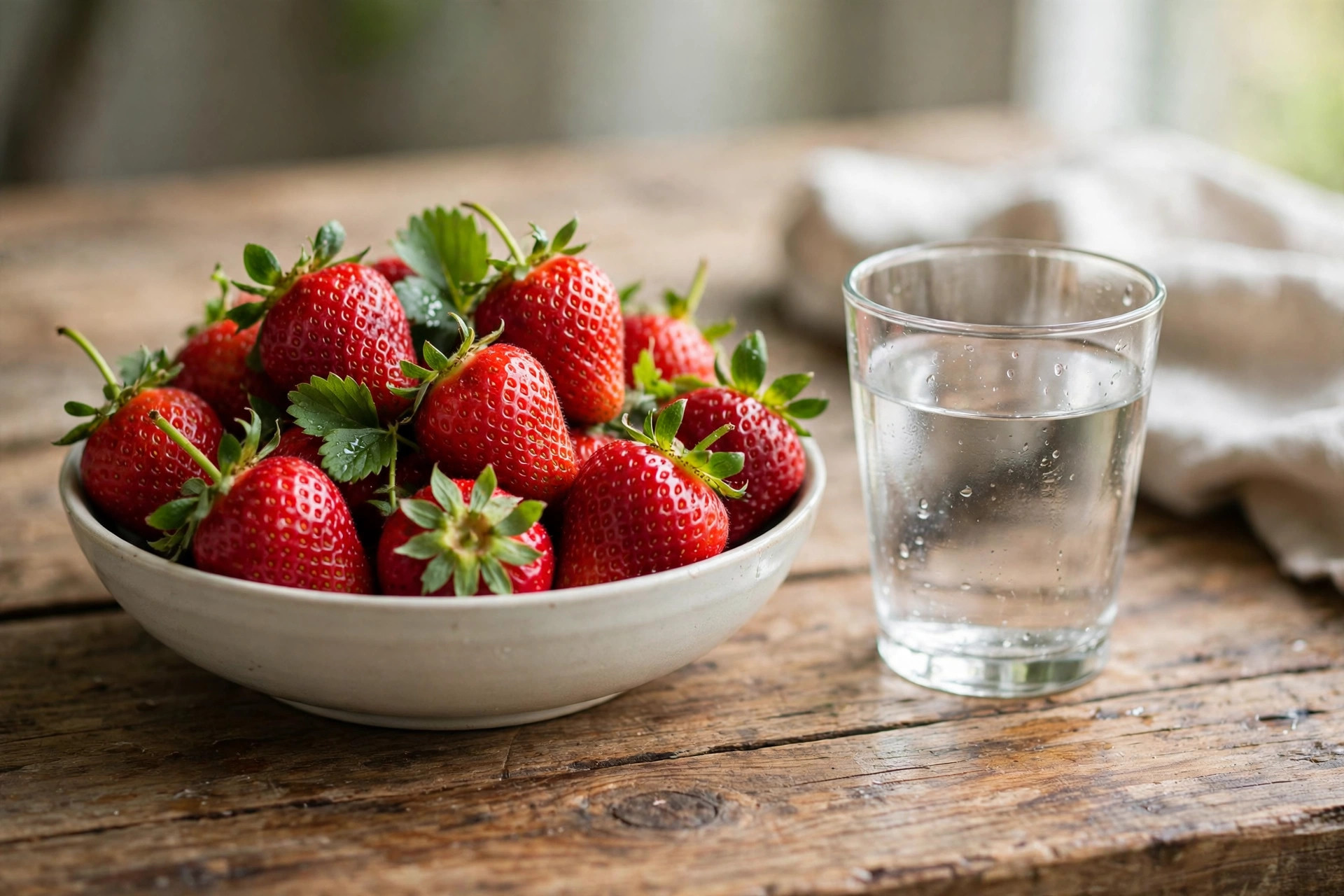
Strawberries are one of the easiest healthy foods to love — sweet, low in calories and packed with vitamin C. But claims that strawberries prevent heart disease or reverse clogged arteries run well ahead of the evidence. Here is the honest version: what is genuinely established, what looks promising, and where a little caution is sensible.
Strawberry Nutrition: A Lot of Goodness for Very Few Calories
A 100-gram serving of raw strawberries — roughly eight medium berries — contains only about 32 calories, along with around 2 grams of fibre, 4.9 grams of natural sugars and 7.7 grams of carbohydrate. Strawberries are about 91% water, which is why a generous handful feels so light.
What you get for those calories is the interesting part. That same serving provides roughly 59 mg of vitamin C, close to two-thirds of an adult's daily target, plus useful amounts of manganese, folate and potassium. They also carry anthocyanins, the pigments that give strawberries their red colour and act as antioxidants.
Strawberry Benefits for Heart Health
This is where the human evidence is strongest, though it is still modest. A 2021 review pooling 44 randomised trials and 15 long-term cohort studies found that people with the highest habitual intake of dietary anthocyanins had a lower risk of coronary heart disease — about 17% lower. Observational research points the same way, linking higher anthocyanin intake with a lower risk of heart attack over many years.
Trials testing strawberries themselves are encouraging but small. A 2025 trial found that about 2.5 servings a day for 12 weeks significantly lowered total cholesterol and improved fasting blood glucose and insulin levels. A 2019 meta-analysis of 14 clinical trials found strawberry intake lowered oxidised LDL cholesterol, inflammation markers, total cholesterol and diastolic blood pressure. None of this proves strawberries prevent heart disease — but as part of a heart-friendly eating pattern, they are a sensible choice.
How to Eat Them for Heart Health
Many people find the simplest approach works best: a handful of fresh strawberries with breakfast, stirred into porridge or yoghurt, or eaten on their own as a snack. Frozen strawberries keep most of their nutrients and work well in smoothies.
Strawberries and Blood Sugar
Despite their sweetness, strawberries are relatively low in sugar for a fruit, and research suggests they may help blunt blood-sugar rises after a meal. Studies have found that strawberries seem to slow glucose digestion and reduce spikes in both glucose and insulin after a carbohydrate-rich meal. Their fibre helps too, slowing digestion and keeping you fuller for longer.
That said, strawberries are not a treatment for diabetes or blood-sugar problems. If you are managing blood sugar, talk to your GP or dietitian about how fruit fits into your overall eating plan.
Strawberries for Gut Health and Skin
The 2 grams of fibre per 100 grams supports regular digestion and feeds the friendly bacteria in the gut. Vitamin C plays a role in collagen production and normal immune function, and it helps your body absorb iron from plant foods. Some people also notice their skin looks brighter when they eat plenty of vitamin C-rich foods, though this is a gentle, gradual effect rather than a quick fix.
A Few Sensible Cautions
Strawberries are safe for most people, but a few points are worth knowing. They are one of the more common food allergens, and people with a birch-pollen allergy sometimes react to them too — if you have ever had tingling lips or an itchy mouth after eating them, mention it to your GP. They often carry pesticide residues, so wash them well before eating. Strawberry-flavoured sweets and jams are not the same as the fruit.
Related reading on Organic Health Fix
- Black Currant Benefits: What the Evidence Really Says
- Goldenberry Benefits: What the Evidence Really Says
- Barberry Benefits: What the Evidence Really Says
Tags: #Strawberries #VitaminC #HeartHealth #GutHealth #NaturalRemedies #WellnessTips #HealthyEating #BerryBenefits
Comments
Post a Comment