Opening a jar, carrying shopping, holding a handrail or turning a key can feel harder than it used to. Grip strength is part of everyday life, yet it is easy to overlook until simple tasks take more effort. The good news is that hands and forearms often respond well to gentle, regular practice. This guide looks at what the evidence suggests, with practical home-friendly ideas and sensible cautions. What grip strength benefits really mean Researchers often use grip strength as a simple marker of overall muscle function because it is easy to measure and reflects how well the hands and forearms work together. In studies of adults, stronger grip tends to sit alongside better mobility and an easier time with daily activities. That does not mean a hand exerciser can guarantee any particular health outcome. It does suggest that keeping the hands active is a worthwhile part of a balanced routine , alongside walking, leg strength and balance practice. Many people find the most noticeable ch...
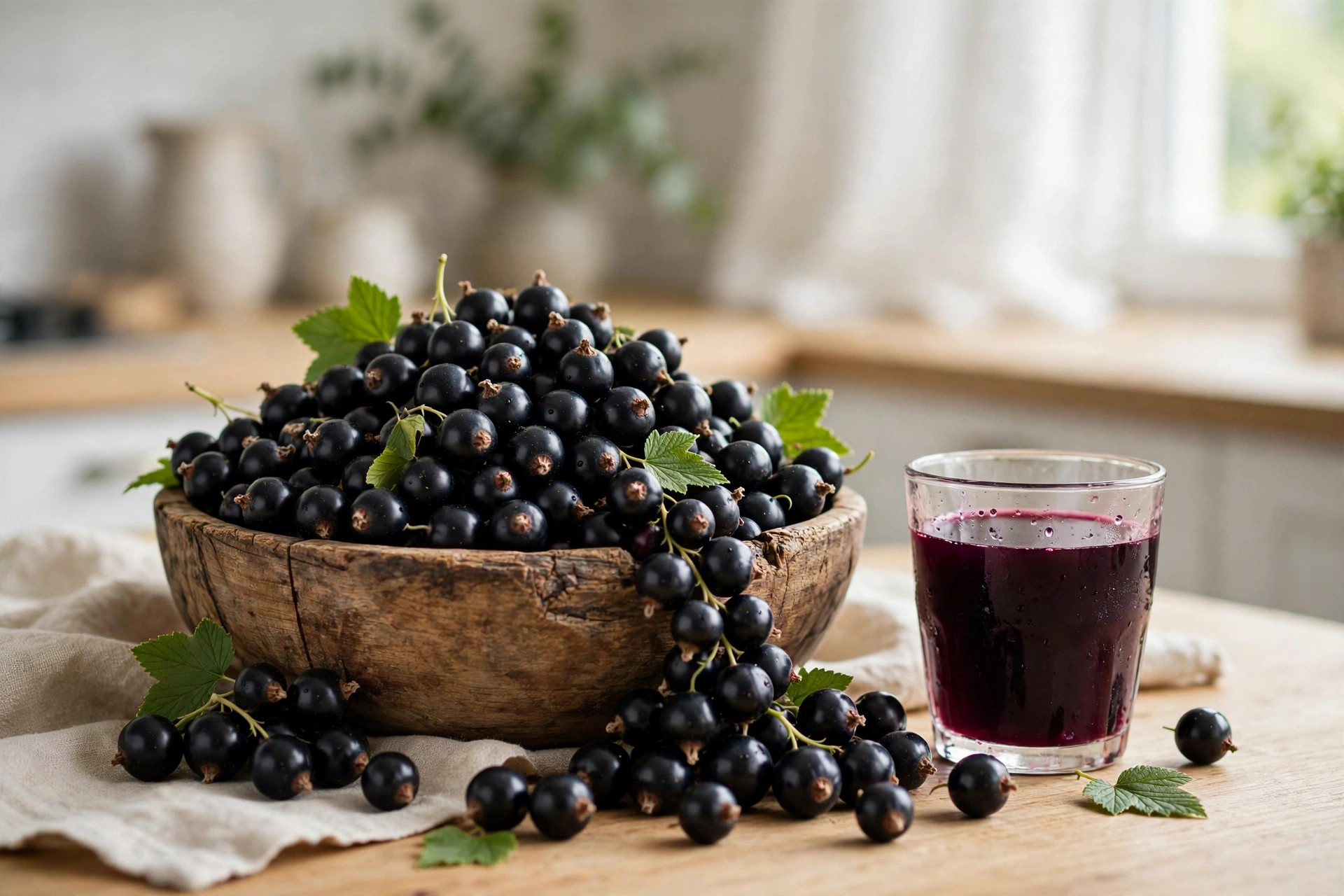
Black currants are small, dark and seriously tart — and they may be one of the most nutrient-packed berries you are not eating. A single cup delivers more than twice the vitamin C of a large orange, along with fibre, potassium and the deep purple anthocyanins that give the berries their colour.
Black Currant Nutrition: What Is Inside One Cup?
Black currants (Ribes nigrum, also called cassis) are low in calories but dense in nutrients. One cup of fresh black currants provides roughly 63–71 calories, 203 mg of vitamin C (around 225% of the daily value), 4.4 g of fibre, 332–361 mg of potassium and 1.54 mg of iron — a cup of oranges contains about 98 mg of vitamin C by comparison.
Vitamin C supports normal immune function, helps the body absorb iron from plant foods, and plays a role in collagen formation for skin and wound healing.
Black Currant Benefits for Immunity and Everyday Wellness
Many people reach for black currants in the colder months, and the nutrition helps explain why. The combination of vitamin C and anthocyanins gives the berries antioxidant and anti-inflammatory properties that researchers have studied for immune support. Fresh berries, frozen berries and unsweetened juice are the most nutrient-dense choices, since jams and sweetened drinks add sugar without adding nutrition. Most stronger claims come from laboratory or small human studies, and black currants are a food, not a medicine — but as part of a varied diet they lift vitamin C and fibre intake in one small handful.
A gentle way to add them to your day
Try a small handful stirred into morning porridge or yoghurt, blended into a smoothie with banana and oats, or simmered briefly into a compote to spoon over toast. Because they are tart, pairing them with something naturally sweet — apple, pear or a drizzle of honey — makes them far more enjoyable.
Black Currants for Eye Health, Skin and Joints
In one study, people who took black currant extract for ten weeks reported a 29.9% reduction in symptoms of digital eye fatigue, including blurry vision. Anthocyanins are thought to improve blood flow in the eyes, and vitamin C helps protect against cataracts and age-related macular degeneration, though the evidence is still developing.
For skin, vitamin C supports collagen, while an animal study found black currant extract increased levels of collagen, elastin and hyaluronic acid in the skin — though human evidence here is limited. The seeds are a source of gamma-linolenic acid (GLA), an omega-6 fatty acid studied for its anti-inflammatory effects; in one study GLA helped improve symptoms of rheumatoid arthritis, and it may also play a role in dry eye. The research is early and mostly small-scale.
Black Currants and Gut Health
Black currants support gut balance: their fibre helps keep digestion regular, and their anthocyanins may act as prebiotics, encouraging healthy gut bacteria. Frozen berries work just as well as fresh ones.
Black Currant Cautions: Who Should Take Care?
Black currants are generally safe for most healthy adults. Because GLA may slow blood clotting, people taking blood-thinning medication should speak to a clinician before using black currant supplements or seed oil. People with low blood pressure may also want to be mindful of large amounts.
Whole berries are the safest way to enjoy them. Supplements and concentrated extracts are less studied, and doses vary widely between products. If you are pregnant, breastfeeding, taking medication or managing a health condition, check with your doctor or pharmacist first. And as with any fruit, wash fresh berries well before eating.
Related reading on Organic Health Fix
- Sea Buckthorn Benefits: What the Evidence Really Says
- Feijoa Benefits: What the Evidence Really Says
- Santol Benefits: What the Evidence Really Says
Tags: #BlackCurrant #BlackCurrantBenefits #VitaminC #Anthocyanins #GutHealth #ImmuneSupport #BerryBenefits #NaturalRemedies
Comments
Post a Comment