Opening a jar, carrying shopping, holding a handrail or turning a key can feel harder than it used to. Grip strength is part of everyday life, yet it is easy to overlook until simple tasks take more effort. The good news is that hands and forearms often respond well to gentle, regular practice. This guide looks at what the evidence suggests, with practical home-friendly ideas and sensible cautions. What grip strength benefits really mean Researchers often use grip strength as a simple marker of overall muscle function because it is easy to measure and reflects how well the hands and forearms work together. In studies of adults, stronger grip tends to sit alongside better mobility and an easier time with daily activities. That does not mean a hand exerciser can guarantee any particular health outcome. It does suggest that keeping the hands active is a worthwhile part of a balanced routine , alongside walking, leg strength and balance practice. Many people find the most noticeable ch...
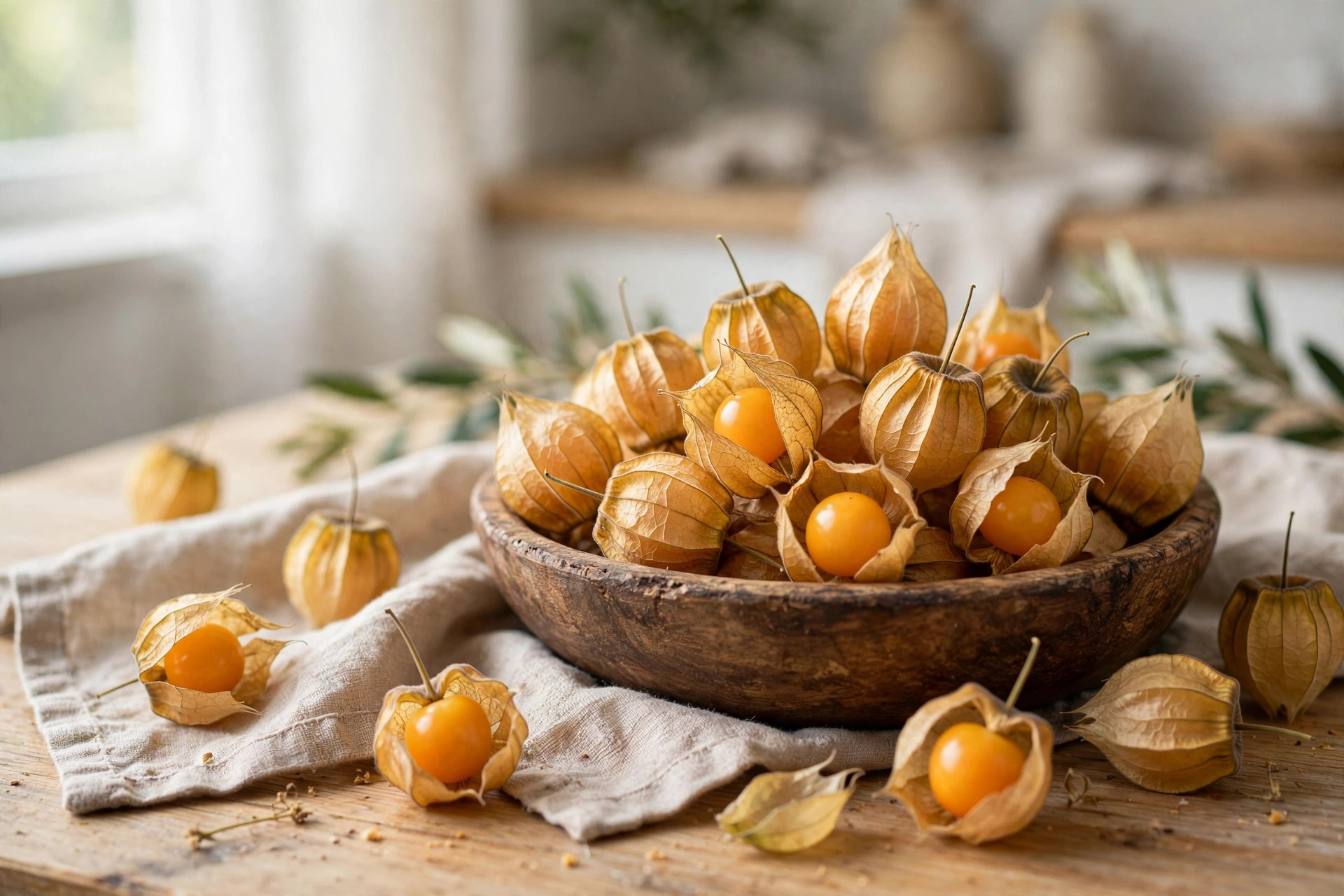
Goldenberries — also known as cape gooseberries or physalis — are small, golden-orange fruits wrapped in a delicate papery husk. Native to the Andean region of South America, they have a sweet-tart flavour somewhere between a pineapple and a tomato, and they are quietly earning a place in the wellness world. But what does the evidence actually say about them?
What Is Inside a Goldenberry?
A 100-gram serving of goldenberries provides roughly 49 calories, about 11 milligrams of vitamin C, 2 grams of fibre, and useful amounts of iron and potassium. That vitamin C figure covers around 12 percent of the daily recommendation for adult men and 13 percent for adult women. The berries also carry beta-carotene, which the body converts into vitamin A, and a notable load of polyphenols, including withanolides and phenolic acids.
What makes goldenberries stand out is not one single nutrient, but the combination: fibre, vitamin C, carotenoids and plant compounds working together in a small, low-calorie fruit.
Goldenberry Benefits for Gut Health
The fibre in goldenberries is a gentle friend to digestion. It supports regular bowel movements and acts as a prebiotic, feeding beneficial gut bacteria such as Bifidobacterium and Lactobacillus, which in turn produce short-chain fatty acids that help maintain the gut lining.
Laboratory research has also found that compounds isolated from goldenberry, such as sucrose esters, protected against intestinal inflammation in animal models of colitis. These are early findings — from test tubes and rodents, not people — but they point to a plausible gut-supporting role worth watching as human studies develop.
A Simple Way to Enjoy Them
Peel back the papery husk, rinse the berry, and eat it fresh. A small handful makes a bright addition to porridge, yoghurt or a fruit salad, and dried goldenberries work well sprinkled over muesli or trail mix.
Immune Support and Antioxidant Protection
Vitamin C is the best-established part of the goldenberry story. It supports normal immune function, helps the body produce collagen for healthy skin, and acts as an antioxidant. The fruit's polyphenols and carotenoids — including lutein and zeaxanthin — add further antioxidant activity in laboratory assays, and the husk extract often shows even stronger antioxidant capacity than the flesh itself.
It is worth being honest about the limits here: most of the deeper evidence comes from laboratory and animal studies, and no large human trial has yet shown that eating goldenberries reduces disease risk. Treat the antioxidant claims as promising and plausible, not proven.
Blood Sugar and Everyday Balance
Goldenberry polyphenols appear to slow carbohydrate digestion by inhibiting enzymes such as alpha-glucosidase, which may soften the rise in blood sugar after a meal. Combined with their fibre content, this makes them a reasonable choice for a sweet snack that does not spike energy as sharply as many sugary treats.
A Few Sensible Cautions
Only eat ripe goldenberries. Unripe fruit and the surrounding husk and leaves contain higher levels of solanine and related glycoalkaloids, which may cause stomach upset, nausea or worse if eaten in quantity. If you are allergic to nightshade-family plants or to latex, try a small amount first and watch for any reaction. As with any new food, people who are pregnant, taking medication or managing a health condition should check with their clinician before making goldenberries a regular habit.
Related reading on Organic Health Fix
- Barberry Benefits: What the Evidence Really Says
- Black Currant Benefits: What the Evidence Really Says
- Sea Buckthorn Benefits: What the Evidence Really Says
Tags: #Goldenberry #NaturalRemedies #GutHealth #VitaminC #WellnessTips #HealthyEating #ImmuneSupport #Superfoods
Comments
Post a Comment