Opening a jar, carrying shopping, holding a handrail or turning a key can feel harder than it used to. Grip strength is part of everyday life, yet it is easy to overlook until simple tasks take more effort. The good news is that hands and forearms often respond well to gentle, regular practice. This guide looks at what the evidence suggests, with practical home-friendly ideas and sensible cautions. What grip strength benefits really mean Researchers often use grip strength as a simple marker of overall muscle function because it is easy to measure and reflects how well the hands and forearms work together. In studies of adults, stronger grip tends to sit alongside better mobility and an easier time with daily activities. That does not mean a hand exerciser can guarantee any particular health outcome. It does suggest that keeping the hands active is a worthwhile part of a balanced routine , alongside walking, leg strength and balance practice. Many people find the most noticeable ch...
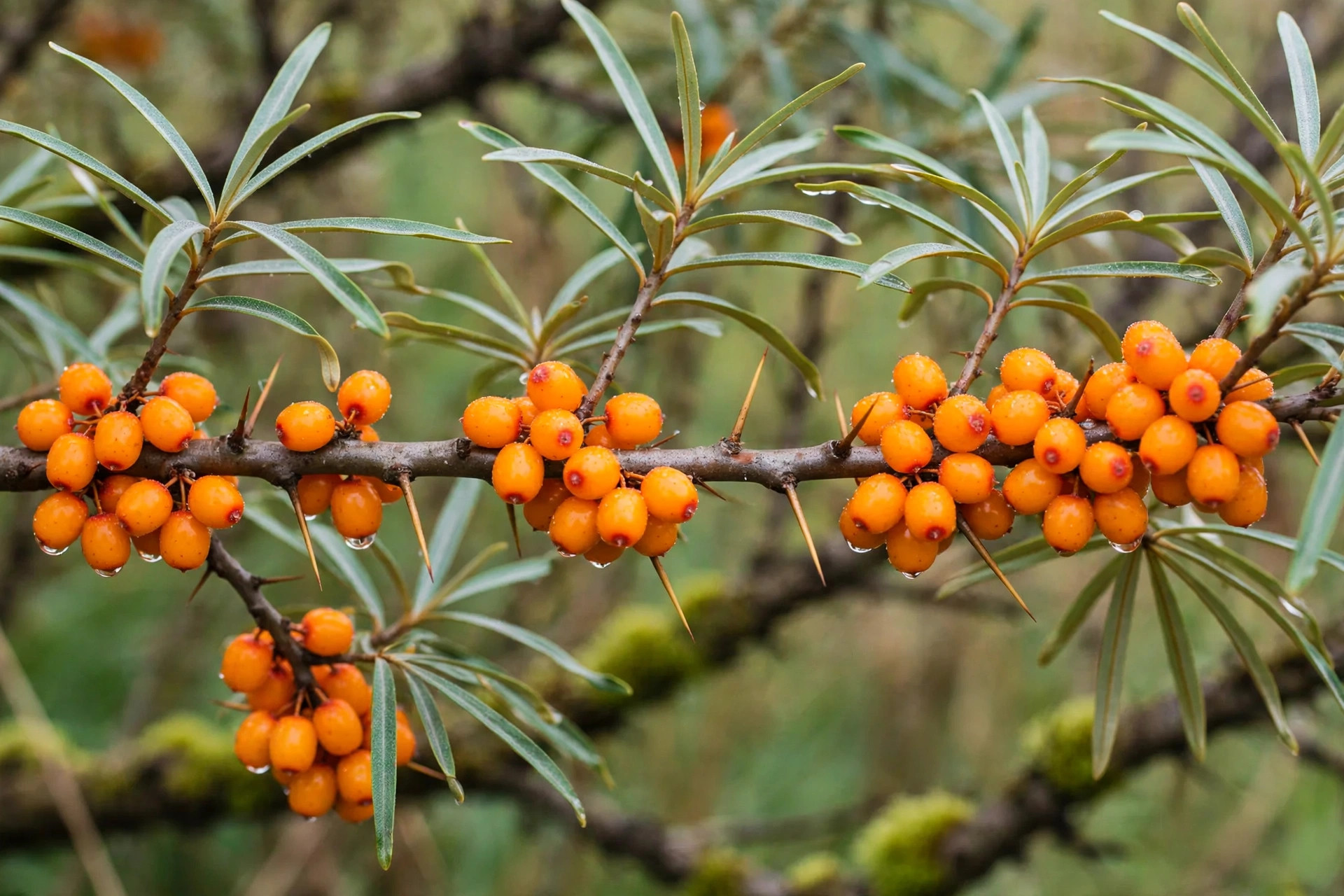
Sea buckthorn is a small, bright orange berry with a surprisingly big reputation. Traditionally used in Tibetan, Chinese and Greek medicine, the berries of the Hippophae rhamnoides shrub have been valued for centuries for skin, digestion and general vitality. Modern research is now catching up — and the picture is genuinely interesting, if still incomplete.
Sea Buckthorn Benefits: What Makes This Berry Different
What sets sea buckthorn apart is its unusual nutrient mix. The berries are a potent source of vitamin C, averaging around 275 mg per 100 g — several times the amount in oranges — though levels vary widely with variety, ripeness and growing conditions. They also carry vitamin E, carotenoids, flavonoids and polyphenols, the plant compounds behind much of their antioxidant activity.
Even more unusual is the fat profile. Sea buckthorn pulp and seeds contain omega-3, omega-6, omega-7 and omega-9 fatty acids together. The omega-7 fat, palmitoleic acid, is rare in plant foods, and it is one reason researchers keep returning to this berry.
Sea Buckthorn for Skin Health
Skin is where sea buckthorn has the longest traditional track record. A 2017 review noted that topical sea buckthorn oil may help moisturise the skin, ease irritation and support the healing of minor damage, thanks to its antioxidants and fatty acids. Small studies also suggest it may help reduce the severity of eczema, and a 2021 study of 55 people with second-degree burns found sea buckthorn dressings compared favourably with a standard cream.
Many people find a few drops of sea buckthorn oil blended into a plain moisturiser feels nourishing on dry or weather-worn skin. Patch-test first, and remember the vivid orange colour can temporarily tint pale skin and light fabrics.
Sea Buckthorn for Heart and Metabolic Health
The strongest human evidence for sea buckthorn involves blood lipids. A meta-analysis of 11 randomised controlled trials found that sea buckthorn berries or extracts significantly lowered total cholesterol, triglycerides and LDL cholesterol in people who already had cardiovascular risk factors. Healthy volunteers did not see the same shifts, so this is a promising signal rather than a free pass.
Early research also points to blood sugar: a 2021 trial found that five weeks of sea buckthorn purée slightly lowered fasting blood sugar. The evidence here is still limited, and larger human trials are needed before firm conclusions can be drawn.
Sea Buckthorn for Eyes and Everyday Comfort
One of the more charming findings comes from a double-blind trial published in The Journal of Nutrition, in which volunteers took 2 g of sea buckthorn oil daily for three months over autumn and winter. Their tears stayed more stable than those taking a placebo, and they reported less redness and burning — welcome news for anyone spending long hours at a screen in dry, heated rooms.
How to Enjoy Sea Buckthorn at Home
Fresh berries are intensely tart, so most people meet sea buckthorn as juice, purée, dried berries or oil. A spoonful of purée stirred into porridge, yoghurt or a smoothie adds a sharp citrus note and a good dose of vitamin C, and the juice blends well with sweeter fruits such as apple or mango. Start small — a tablespoon of juice or purée a day is a sensible beginning.
A Few Sensible Cautions
Sea buckthorn is generally well tolerated, with minimal side effects reported in studies, but a few cautions are worth noting. Because it may affect blood sugar and blood pressure, anyone taking medication for either should speak to their clinician before using concentrated oils or supplements regularly. The same applies during pregnancy or breastfeeding, and before giving sea buckthorn products to children. Quality varies, so choose products that state the berry or seed source and the extraction method on the label.
Sea buckthorn is not a cure for anything, and the human evidence is still young. But as a traditional berry with an exceptional vitamin C content, a rare omega-7 profile and encouraging early trials for skin, cholesterol and dry eyes, it earns its place in a varied, plant-rich diet.
Related reading on Organic Health Fix
- Nectarine Benefits: What the Evidence Really Says
- Santol Benefits: What the Evidence Really Says
- Feijoa Benefits: What the Evidence Really Says
Tags: #SeaBuckthorn #NaturalRemedies #VitaminC #SkinHealth #GutHealth #WellnessTips #Omega7 #HealthyLiving
Comments
Post a Comment