Opening a jar, carrying shopping, holding a handrail or turning a key can feel harder than it used to. Grip strength is part of everyday life, yet it is easy to overlook until simple tasks take more effort. The good news is that hands and forearms often respond well to gentle, regular practice. This guide looks at what the evidence suggests, with practical home-friendly ideas and sensible cautions. What grip strength benefits really mean Researchers often use grip strength as a simple marker of overall muscle function because it is easy to measure and reflects how well the hands and forearms work together. In studies of adults, stronger grip tends to sit alongside better mobility and an easier time with daily activities. That does not mean a hand exerciser can guarantee any particular health outcome. It does suggest that keeping the hands active is a worthwhile part of a balanced routine , alongside walking, leg strength and balance practice. Many people find the most noticeable ch...
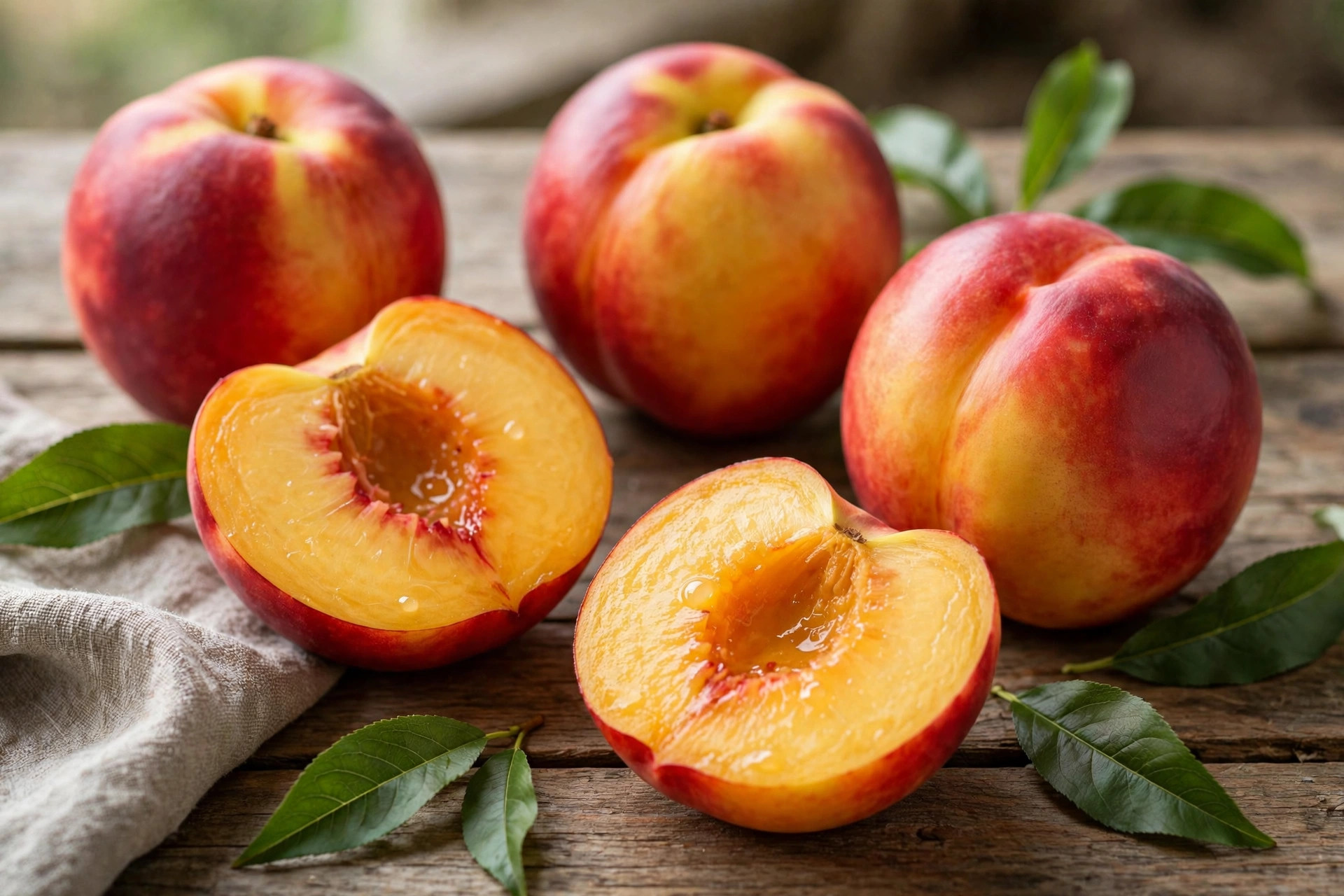
Nectarines are the smooth-skinned cousins of peaches, with the same sunny sweetness and a slightly firmer bite. Beneath that blush-red and golden skin sits a genuinely useful mix of nutrients: fibre, vitamin C, niacin, copper and potassium, all for around 60 calories a fruit. So what does the evidence actually say about nectarines? Here is a calm, honest look at where they may help — and where the claims run ahead of the science.
What Is in a Nectarine?
One medium nectarine (about 142 g) provides roughly 63 calories, 2.4 g of fibre, 1.5 g of protein and 15 g of carbohydrate, with almost no fat and no sodium. It also supplies around 10% of the daily value for niacin (vitamin B3), about 14% for copper, 8% for vitamin C and 6% for potassium. Nectarines are also rich in plant compounds such as polyphenols, anthocyanins and carotenoids, which give the fruit its warm colour and much of its antioxidant activity.
Nectarine Benefits for Skin Health
Your skin relies on a steady supply of nutrients to stay healthy, and nectarines contribute several of them. Vitamin C is essential for collagen production, the protein that helps keep skin firm and resilient, while vitamin A helps protect skin from sun damage. Copper encourages the maturation of collagen, and niacin helps keep the skin barrier working well. Eating a nectarine will not replace sunscreen or a good skincare routine, but as part of a varied diet it gives your skin useful raw materials.
Gut Health and Gentle Digestion
Nectarines contain both soluble and insoluble fibre, and each type supports digestion in its own way. Insoluble fibre adds bulk and helps food move through the gut, which can ease constipation, while soluble fibre feeds the beneficial bacteria in the gut microbiome. Together they help keep bowel movements regular. As with any fibre-rich food, it is sensible to increase your intake gradually and drink enough water alongside it.
Heart Health and Blood Pressure
Potassium helps balance the effects of sodium and support healthy blood pressure — and a medium nectarine provides around 285 mg of it. The antioxidants in nectarines, including chlorogenic acid and anthocyanins, may also help protect LDL cholesterol from oxidation, a process linked to artery health. Research consistently finds that diets rich in fruit are associated with a lower risk of heart disease, and nectarines fit comfortably into that pattern.
Weight Management and Steady Energy
At roughly 60 calories with a good dose of fibre, nectarines are a filling choice for their size. Fibre slows digestion and helps you feel full, which many people find makes it easier to avoid overeating between meals. Nectarines also have a relatively low glycaemic index, so their natural sugars are released more gradually than those in many processed snacks.
Simple Ways to Enjoy Nectarines
Nectarines are at their best eaten fresh and ripe, but they are wonderfully versatile. Try them sliced into a green salad, diced into yoghurt with a drizzle of honey, blended into a smoothie, or chopped into a fresh salsa with tomato and peppers. Overripe nectarines freeze well for later smoothies, and a pinch of cinnamon turns them into a simple warm topping for porridge.
A few gentle cautions: wash nectarines well before eating, and discard the stone — it is not edible. People with a stone-fruit allergy should avoid them, and anyone who needs to limit potassium should check with their clinician before eating large amounts.
On balance, the evidence for nectarines is encouraging rather than miraculous: a low-calorie, fibre-rich fruit with real vitamin C, copper and potassium that supports skin, gut and heart health as part of a balanced diet. That is a solid reason to enjoy them while they are in season.
Related reading on Organic Health Fix
- Peach Benefits: What the Evidence Really Says
- Loquat Benefits: What the Evidence Really Says
- Cherimoya Benefits: What the Evidence Really Says
Tags: #NectarineBenefits #NaturalRemedies #WellnessTips #SkinHealth #GutHealth #HealthyEating #VitaminC #Nutrition
Comments
Post a Comment