Opening a jar, carrying shopping, holding a handrail or turning a key can feel harder than it used to. Grip strength is part of everyday life, yet it is easy to overlook until simple tasks take more effort. The good news is that hands and forearms often respond well to gentle, regular practice. This guide looks at what the evidence suggests, with practical home-friendly ideas and sensible cautions. What grip strength benefits really mean Researchers often use grip strength as a simple marker of overall muscle function because it is easy to measure and reflects how well the hands and forearms work together. In studies of adults, stronger grip tends to sit alongside better mobility and an easier time with daily activities. That does not mean a hand exerciser can guarantee any particular health outcome. It does suggest that keeping the hands active is a worthwhile part of a balanced routine , alongside walking, leg strength and balance practice. Many people find the most noticeable ch...
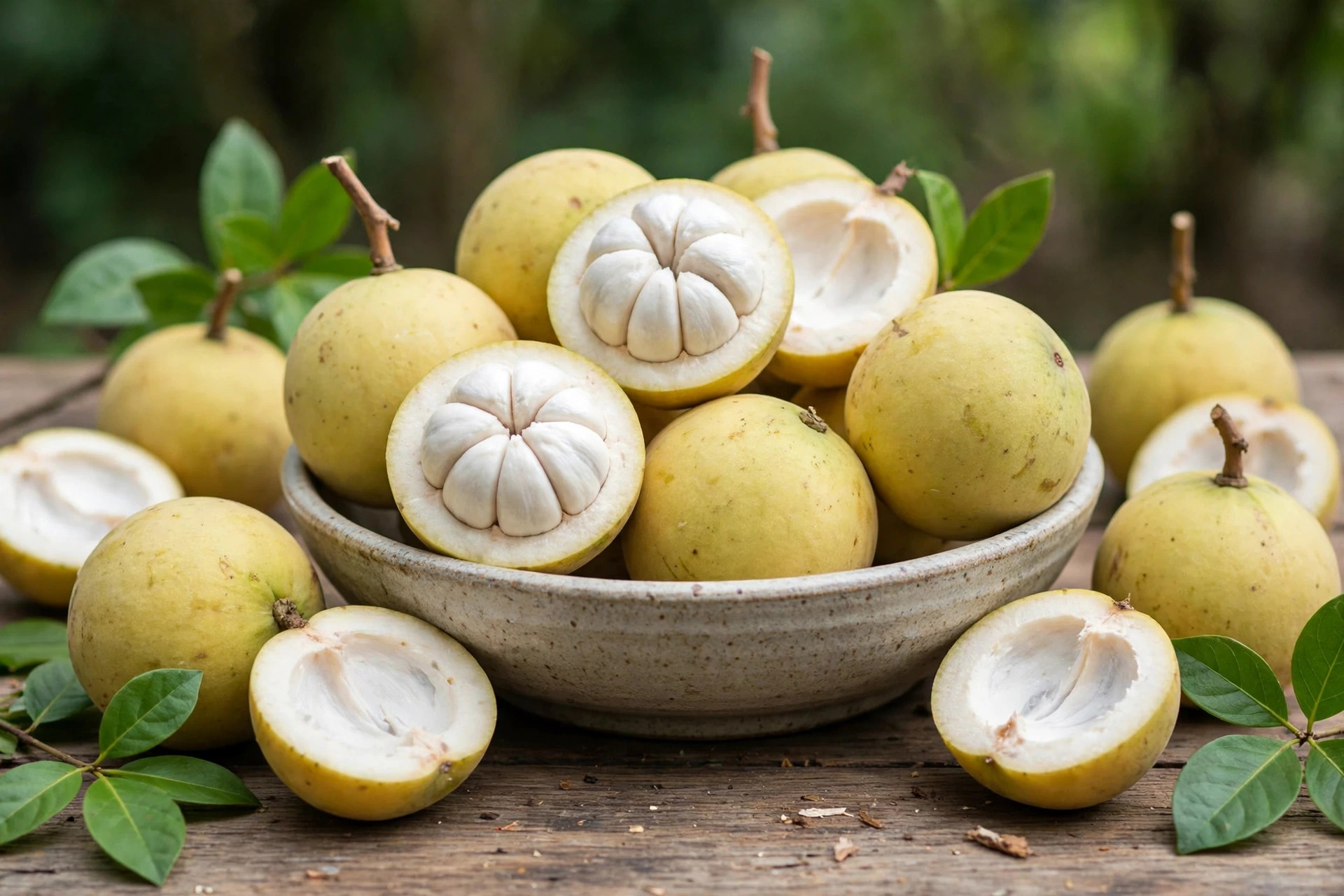
Santol, also known as cotton fruit, is a round, peach-like tropical fruit from the rainforests of Southeast Asia. Long enjoyed in Malaysia, Thailand, Cambodia and the Philippines, it is slowly finding its way onto shelves further afield. Its creamy white flesh is tart, juicy and quietly nutritious, and many people find it a refreshing change from the usual tropical fruits.
Santol Benefits: What the Nutrition Shows
A 100-gram serving of santol provides roughly 80 to 90 calories, along with useful amounts of vitamin C, potassium and dietary fibre. Some sources report vitamin C levels of 60 to 86 mg per 100 g, which is close to a full day's requirement, while a 2025 nutritional evaluation found the fruit to be a particularly good source of potassium, at around 156 to 188 mg per 100 g. It also contains small amounts of B vitamins, calcium, iron and phosphorus.
Vitamin C and Everyday Immune Support
Vitamin C is one of santol's strongest cards. It supports normal immune function, helps the body absorb iron from plant foods, and plays a role in collagen formation for healthy skin. Santol also contains phenolic compounds and flavonoids, plant antioxidants that help protect cells from everyday oxidative stress. Eating a varied diet rich in vitamin C foods is a simple, sensible way to support your immune system, and santol can be one of those foods when it is in season.
How to enjoy santol
Choose fruits that feel heavy for their size with unblemished, slightly fuzzy skin. Peel away the skin and eat the juicy flesh fresh, or scoop it into fruit salads and chilled desserts. In Southeast Asia it is also cooked into savoury dishes and pickles. Do not swallow the seeds, as they can cause intestinal blockage if eaten.
Fibre for Gut Health
Santol provides around 3 to 5 grams of dietary fibre per 100 grams, a mix of soluble and insoluble types. Fibre supports regular bowel movements, feeds friendly gut bacteria and helps you feel full after eating. Adding fibre-rich fruit gradually, alongside plenty of water, is the gentlest way to support digestion — a sudden large increase can cause bloating. Santol's high water content also helps with everyday hydration, especially in hot weather.
Potassium, Heart Health and Gentle Balance
Potassium helps balance sodium in the body and supports normal blood pressure and muscle function. Santol's potassium content, combined with its fibre and low fat content, makes it a sensible addition to a heart-friendly eating pattern. Some traditional uses also credit the fruit with anti-inflammatory and anti-allergy properties, linked to compounds such as bryonolic and sandorinic acids, although human evidence for these specific effects is still limited and should not be overstated.
A Few Sensible Cautions
As with any unfamiliar fruit, enjoy santol in moderation. Eating too much may cause stomach upset or diarrhoea, and people with kidney problems should speak to a healthcare professional before eating it regularly. Pregnant and breastfeeding women should also check first, as there is little safety evidence for these groups. Santol is a food, not a medicine, and it works best as part of a varied, balanced diet rather than as a cure for anything.
Related reading on Organic Health Fix
- Feijoa Benefits: What the Evidence Really Says
- Plantain Benefits: What the Evidence Really Says
- Nectarine Benefits: What the Evidence Really Says
Tags: #Santol #CottonFruit #VitaminC #GutHealth #NaturalRemedies #WellnessTips #TropicalFruit #HealthyEating
Comments
Post a Comment