Opening a jar, carrying shopping, holding a handrail or turning a key can feel harder than it used to. Grip strength is part of everyday life, yet it is easy to overlook until simple tasks take more effort. The good news is that hands and forearms often respond well to gentle, regular practice. This guide looks at what the evidence suggests, with practical home-friendly ideas and sensible cautions. What grip strength benefits really mean Researchers often use grip strength as a simple marker of overall muscle function because it is easy to measure and reflects how well the hands and forearms work together. In studies of adults, stronger grip tends to sit alongside better mobility and an easier time with daily activities. That does not mean a hand exerciser can guarantee any particular health outcome. It does suggest that keeping the hands active is a worthwhile part of a balanced routine , alongside walking, leg strength and balance practice. Many people find the most noticeable ch...
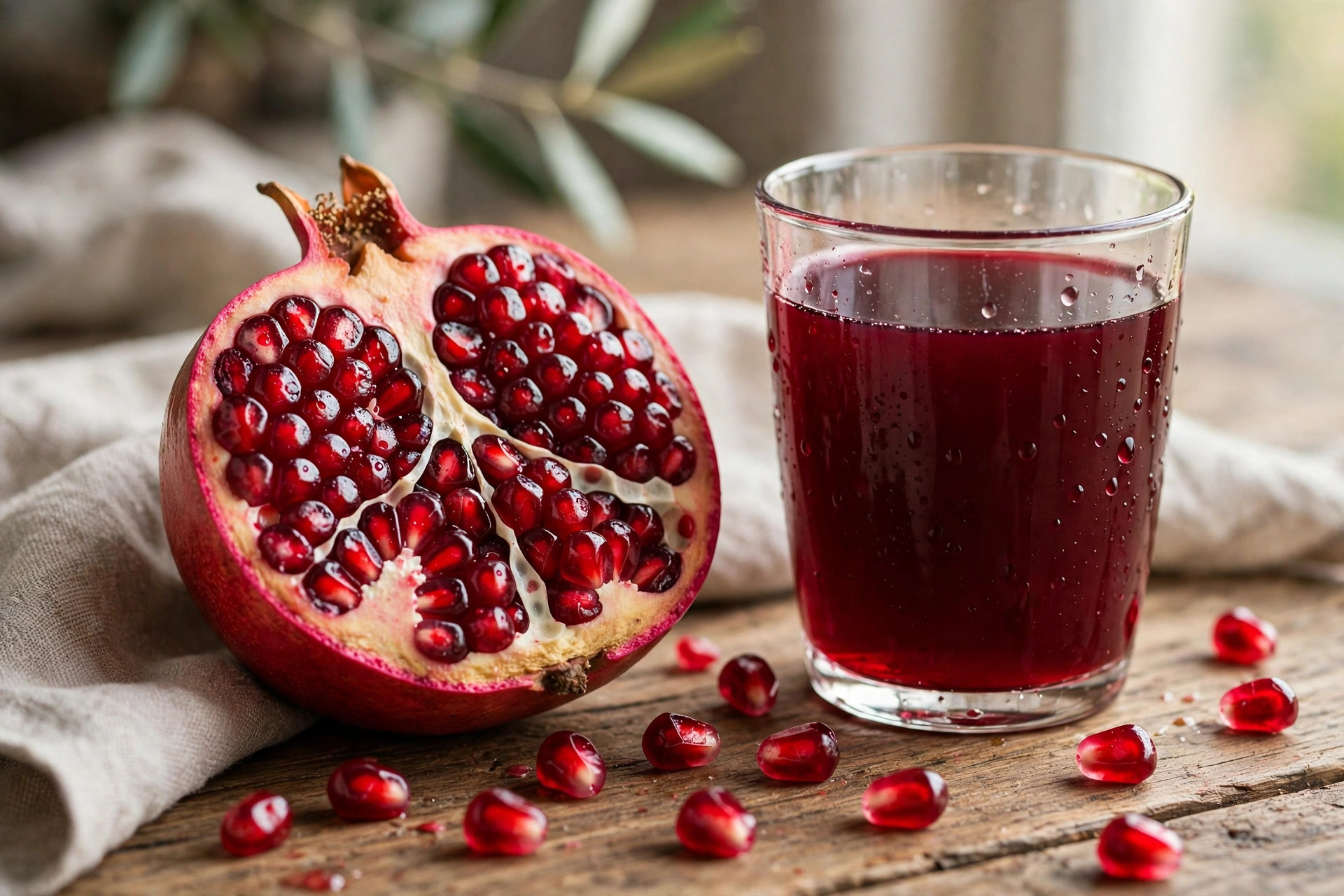
Pomegranates have been treasured for centuries, and modern research is finally catching up with the tradition. The jewel-like arils inside are rich in polyphenols — plant compounds called punicalagins and anthocyanins — that give the fruit its deep ruby colour and much of its reputation. But which benefits are genuinely supported by the evidence, and where do the claims run ahead of the science?
Pomegranate Benefits for Heart Health and Blood Pressure
The strongest evidence for pomegranate sits with the heart. A January 2026 review pooling 33 randomised trials and 1,490 adults found that pomegranate lowered systolic blood pressure by about 3.5 mmHg and diastolic by about 1.5 mmHg, with the benefit usually appearing within about two months of daily intake. Separate analyses of juice-only trials found systolic pressure roughly 5 points lower. Researchers also report that pomegranate juice may reduce the oxidation of LDL cholesterol, an early step in plaque build-up, and one longer study found slower thickening of the carotid arteries in people drinking the juice daily.
None of this makes pomegranate a treatment for high blood pressure. It is better thought of as a heart-friendly food that can sit alongside the habits that matter most — regular movement, less salt, enough sleep and any medication a doctor has prescribed.
Pomegranate and Gut Health: Arils Beat Juice
Pomegranate is a natural prebiotic: its fibre feeds beneficial gut bacteria, particularly Bifidobacterium and Lactobacillus. One cup of arils delivers about 7 grams of fibre, a meaningful step toward the daily goal, and the fruit's ellagitannins are converted by gut bacteria into a compound called urolithin A, which early research links to healthier mitochondria — the tiny power plants inside our cells. Note the fibre lives in the arils, not the juice, so eat them whole for the gut benefit.
How Much Pomegranate Makes Sense Each Day?
Most studies point to a modest daily amount: about half a cup to one cup of arils, or up to 8 ounces (around 240 ml) of 100% pomegranate juice. Smaller daily amounts of juice did at least as well as larger ones in the blood-pressure trials, so there is no need to overdo it. Choose 100% juice with no added sugar, and check the label — many "pomegranate drinks" are mostly apple or grape juice.
What the Evidence Says About Memory, Recovery and Inflammation
Beyond the heart and gut, the evidence becomes promising but thinner. Small human studies link daily pomegranate juice with steadier memory with age, faster recovery from hard training, and lower levels of CRP, a blood marker of inflammation. An April 2026 study in the journal Antioxidants found that urolithin A helped stabilise heart-related plaque and calm inflammation in mice — interesting, but animal work, so it is far from proof in people. Treat these as reasons for gentle optimism, not guarantees.
Gentle Ways to Enjoy Pomegranate at Home
Opening a pomegranate can feel fiddly, but a simple routine helps: score the skin, break it apart under a bowl of water, and the arils sink while the pith floats. Then try a few easy ideas:
Sprinkle arils over breakfast — porridge, yoghurt or overnight oats gain colour, crunch and fibre. Toss them into salads — they pair beautifully with spinach, walnuts and feta. Freeze a spare handful — frozen arils keep for weeks and are lovely stirred into sparkling water. Keep juice small — a 4-ounce glass with a meal is plenty, and pairing it with food softens the sugar hit.
A Few Sensible Cautions
Pomegranate is a food, not a medicine, and a few cautions are worth knowing. The fruit is fairly high in natural sugar and potassium, so people with diabetes or kidney concerns should keep portions modest and mention it to their clinician. Pomegranate juice can also affect the same liver enzymes as grapefruit juice, which means it may change how some medications are processed — if you take prescription medicines, especially for blood pressure or cholesterol, ask a pharmacist or doctor before drinking it daily. Anyone with a known allergy should avoid it, and as with any new food habit, start small.
Related reading on Organic Health Fix
- Quinoa Benefits: What the Evidence Really Says
- Chia Seeds Benefits: What the Evidence Really Says
- Tart Cherry Juice for Sleep: What the Evidence Really Says
Tags: #PomegranateBenefits #HeartHealth #GutHealth #NaturalRemedies #WellnessTips #Nutrition #Superfoods #HealthyEating
Comments
Post a Comment