Opening a jar, carrying shopping, holding a handrail or turning a key can feel harder than it used to. Grip strength is part of everyday life, yet it is easy to overlook until simple tasks take more effort. The good news is that hands and forearms often respond well to gentle, regular practice. This guide looks at what the evidence suggests, with practical home-friendly ideas and sensible cautions. What grip strength benefits really mean Researchers often use grip strength as a simple marker of overall muscle function because it is easy to measure and reflects how well the hands and forearms work together. In studies of adults, stronger grip tends to sit alongside better mobility and an easier time with daily activities. That does not mean a hand exerciser can guarantee any particular health outcome. It does suggest that keeping the hands active is a worthwhile part of a balanced routine , alongside walking, leg strength and balance practice. Many people find the most noticeable ch...
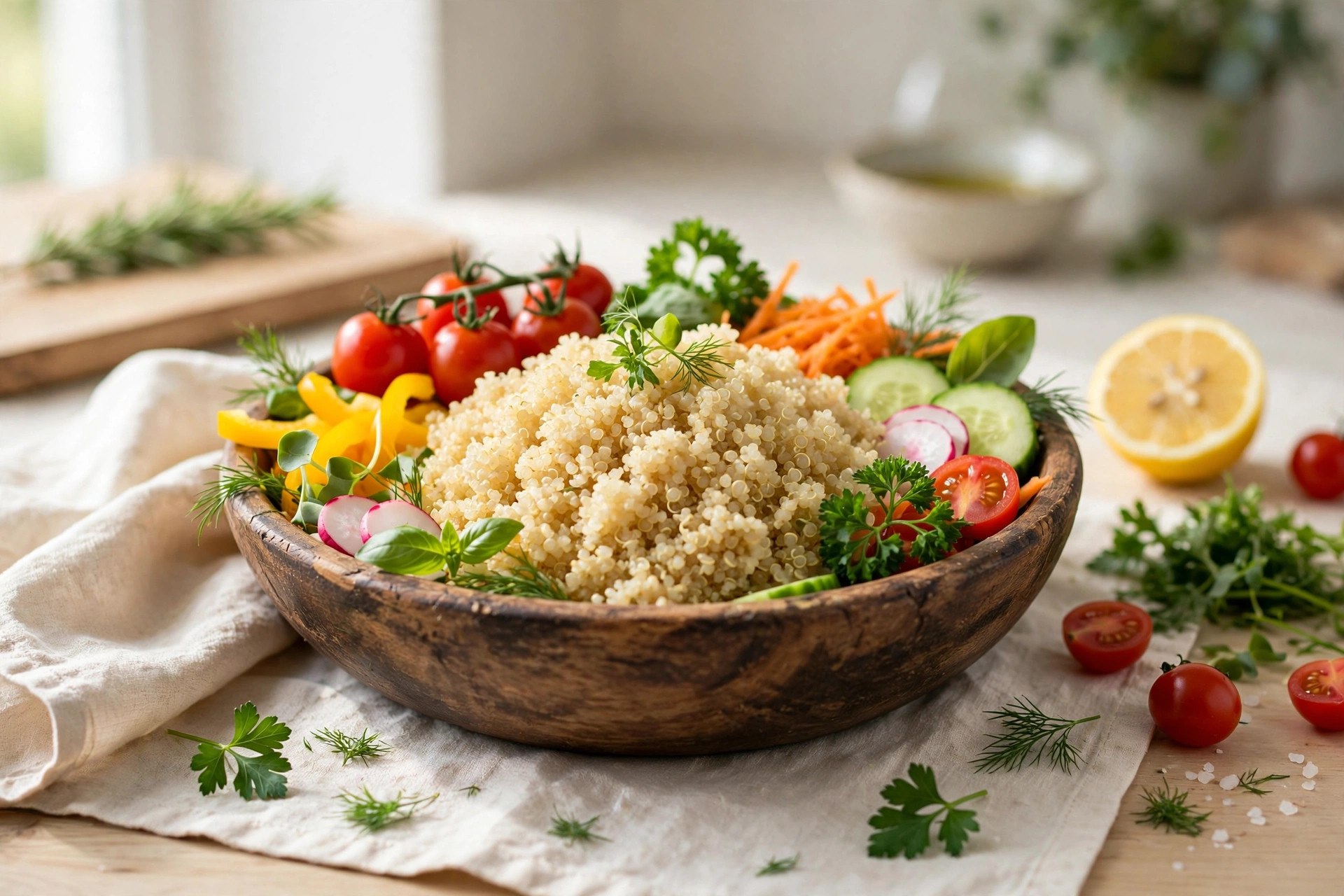
Quinoa has quietly moved from health-food-shop shelves into everyday kitchens, and the praise around it is generous: a complete protein, a gut-friendly fibre source, a naturally gluten-free grain that suits almost everyone. Some of those claims hold up well. Others need a closer look. Here is what the evidence really says about quinoa benefits, and how to enjoy this ancient seed at home.
What Is Quinoa?
Quinoa is the seed of Chenopodium quinoa, a plant grown in the Andes for thousands of years. It is cooked and eaten like a grain, but botanically it is a pseudocereal, more closely related to spinach and beetroot than to wheat. It comes in white, red and black varieties, all with a mild, slightly nutty flavour and a light, fluffy texture when cooked well.
One cup of cooked quinoa provides roughly 8 grams of protein, 5 grams of fibre and around 220 calories, along with magnesium, manganese, folate, iron and zinc. It also contains plant flavonoids such as quercetin and kaempferol, which have shown antioxidant activity in laboratory research.
Quinoa Benefits: A Complete Protein
Quinoa is one of the few plant foods that contains all nine essential amino acids in useful proportions, which is why it is often described as a complete protein. For people eating mostly plant-based meals, that matters: many people find it an easy way to round out a plate without meat or dairy.
It is also naturally gluten-free, making it a nourishing swap for wheat-based sides for anyone with coeliac disease. Just check the packet: quinoa processed in facilities that also handle wheat can carry traces of gluten, so certified gluten-free labelling matters if that is a concern for you.
Quinoa and Gut Health
Quinoa's fibre is a mix of soluble and insoluble types, and some of it acts as a prebiotic — food for the friendly bacteria in the gut. Research has found that quinoa's fibre and polyphenols may support a more diverse gut microbiome, encouraging beneficial bacteria such as Bifidobacterium and Lactobacillus.
Many people find quinoa gentle on digestion, and its fibre can help keep things moving regularly. As with any high-fibre food, it is sensible to increase portions gradually and drink enough water alongside it.
A Note on Saponins
Quinoa seeds carry a natural coating of bitter-tasting compounds called saponins. Most packaged quinoa is pre-rinsed, but a quick rinse under cold water before cooking removes any remaining bitterness and is a good habit either way. It takes only a minute and makes a real difference to flavour.
Quinoa Benefits for Blood Sugar and Heart Health
Randomised trials published in 2023 and 2025 found that eating quinoa in place of other grains was linked with improvements in blood sugar, insulin resistance, LDL cholesterol and waist circumference. The evidence is encouraging rather than conclusive — the trials were modest in size — but it fits with what we know about whole, fibre-rich foods generally.
Simple Ways to Enjoy Quinoa
Quinoa is wonderfully versatile, and cooking it well is simple: one part quinoa to two parts water, simmered for about 15 minutes, then rested for five minutes with the lid on before fluffing with a fork.
Try it warm in a grain bowl with roasted vegetables and chickpeas, stirred through a winter soup, or chilled in a salad with cucumber, tomatoes, lemon and herbs. Leftovers keep well in the fridge for three to four days, so a batch cooked on Sunday can carry you through several lunches.
A gentle caution: quinoa is nutritious, but it is still an energy-dense food, and portions matter if you are watching your weight. A cooked serving of around a cup alongside plenty of vegetables is a good guide for most people.
Related reading on Organic Health Fix
- Kefir Benefits: What the Evidence Really Says
- Cauliflower Benefits: What the Evidence Really Says
- Jicama Benefits: What the Evidence Really Says
Tags: #QuinoaBenefits #NaturalRemedies #GutHealth #WellnessTips #HealthyEating #Superfoods #Nutrition
Comments
Post a Comment