Opening a jar, carrying shopping, holding a handrail or turning a key can feel harder than it used to. Grip strength is part of everyday life, yet it is easy to overlook until simple tasks take more effort. The good news is that hands and forearms often respond well to gentle, regular practice. This guide looks at what the evidence suggests, with practical home-friendly ideas and sensible cautions. What grip strength benefits really mean Researchers often use grip strength as a simple marker of overall muscle function because it is easy to measure and reflects how well the hands and forearms work together. In studies of adults, stronger grip tends to sit alongside better mobility and an easier time with daily activities. That does not mean a hand exerciser can guarantee any particular health outcome. It does suggest that keeping the hands active is a worthwhile part of a balanced routine , alongside walking, leg strength and balance practice. Many people find the most noticeable ch...
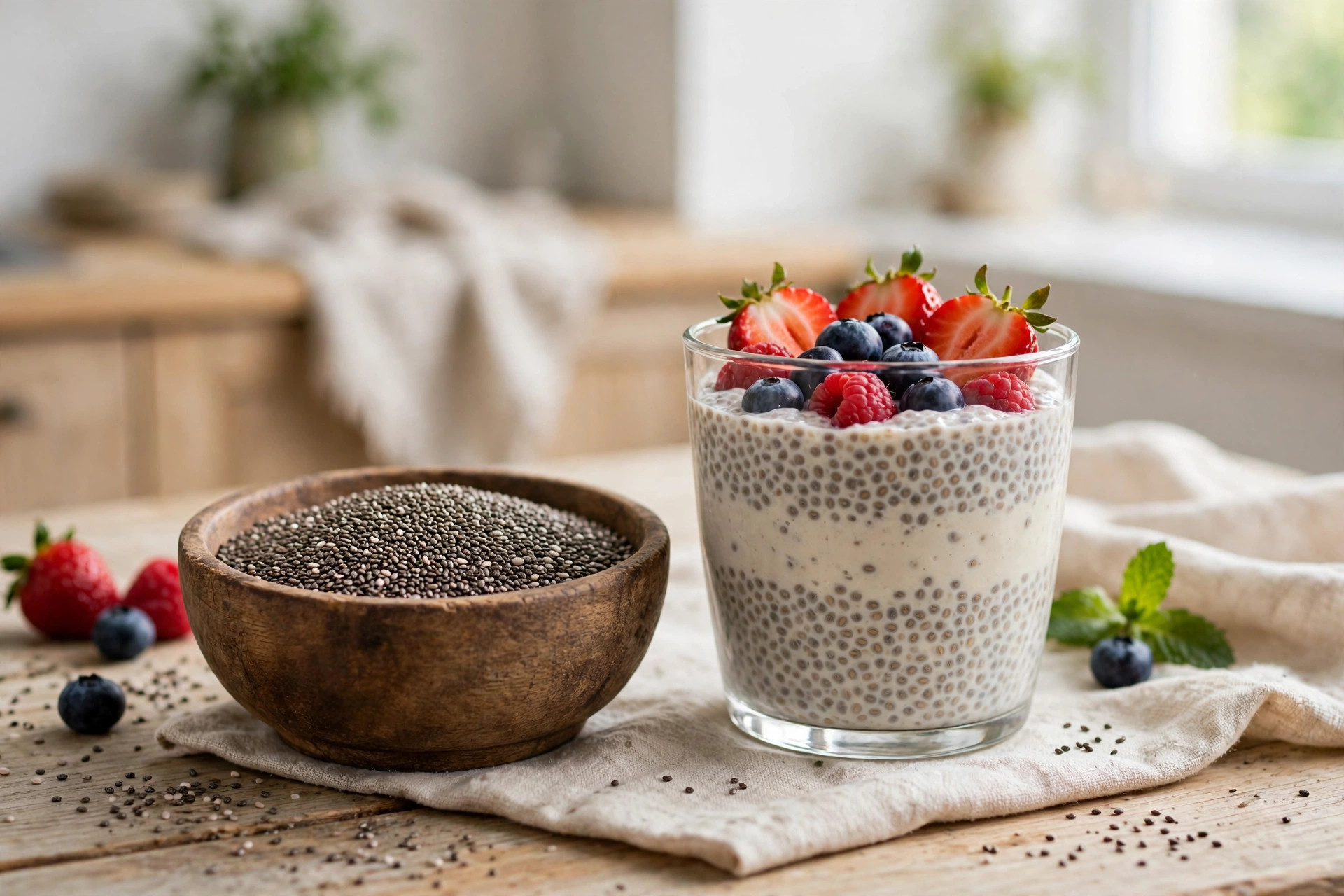
Chia seeds have gone from a health-food-shop curiosity to a breakfast-table regular, stirred into porridge, soaked overnight into puddings and sprinkled over yoghurt. They are often described as a superfood, with bold claims about heart health, weight loss and digestion. So what does the evidence actually say? The honest answer is that chia seeds are a genuinely nutritious food with a few well-supported strengths — and several claims that run well ahead of the research.
Chia Seeds Benefits: What Is Actually in Them?
A single tablespoon (about 15g) of chia seeds gives roughly 5g of fibre, around 2.7g of the plant omega-3 fat ALA, plus calcium, magnesium and a little protein, for about 73 calories. An ounce (28g) provides about 11g of fibre — close to 40% of the recommended daily intake. That nutrient density is the real story: chia seeds are a simple way to add fibre and minerals to meals you already eat.
Chia Seeds and Gut Health: Fibre That Feeds Good Bacteria
Most of the fibre in chia is soluble, forming a gel when the seeds meet liquid. That gel adds bulk and softness to stools and acts as a prebiotic, feeding the beneficial bacteria in the gut. Many people find chia pudding or soaked chia in porridge helps them feel more regular.
There is an honest caveat, though: no controlled trial has tested chia specifically for constipation. The gut-health case rests on its very high fibre content and on general evidence that fibre supports digestion. It works best when you increase fibre gradually and drink plenty of water — jumping straight to two heaped spoonfuls a day can cause wind and bloating.
Always Soak Chia Seeds First
Dry chia seeds swell dramatically when they absorb liquid, and eating them dry has, in rare cases, caused choking. Always soak them in water, milk, yoghurt or juice for at least 10–15 minutes, or stir them into something wet. Overnight chia pudding is the easiest way to do this.
Chia Seeds for Blood Pressure and Blood Sugar
This is where the research is most encouraging. A 2025 meta-analysis of eight randomised trials found chia consumption lowered systolic blood pressure by an average of about 5.6 mmHg and diastolic by about 7.5 mmHg. Other trials have found that adding chia to bread reduced post-meal blood sugar spikes by nearly 40% compared with ordinary bread, probably because the gel-forming fibre slows digestion.
These are modest effects from small, short trials — a 2018 review of 12 trials rated most of the evidence low or very low quality — but they point in a consistent direction. Chia seeds are a helpful addition to an overall healthy diet, not a replacement for prescribed treatment.
Chia Seeds and Weight: What the Evidence Really Says
Chia seeds are often marketed for weight loss, and here the evidence is clear: trials have not shown chia to reduce body weight or BMI. What studies do show is that chia can reduce waist circumference slightly and increase feelings of fullness, thanks to its fibre and protein. That makes it a useful food for people watching their weight — but it is not a slimming remedy on its own.
How Much Chia Should You Eat Each Day?
Most trials used 1–2 tablespoons (15–30g) a day, a sensible amount for most healthy adults — try one tablespoon stirred into overnight oats, yoghurt or a smoothie, with an extra glass of water. Start smaller if you are new to high-fibre foods. People taking blood-thinning medication or with swallowing difficulties should check with their GP first.
Related reading on Organic Health Fix
- Quinoa Benefits: What the Evidence Really Says
- Cauliflower Benefits: What the Evidence Really Says
- Celeriac Benefits: What the Evidence Really Says
Tags: #ChiaSeeds #GutHealth #Nutrition #NaturalRemedies #WellnessTips #Fibre #Omega3 #HealthyEating
Comments
Post a Comment