Opening a jar, carrying shopping, holding a handrail or turning a key can feel harder than it used to. Grip strength is part of everyday life, yet it is easy to overlook until simple tasks take more effort. The good news is that hands and forearms often respond well to gentle, regular practice. This guide looks at what the evidence suggests, with practical home-friendly ideas and sensible cautions. What grip strength benefits really mean Researchers often use grip strength as a simple marker of overall muscle function because it is easy to measure and reflects how well the hands and forearms work together. In studies of adults, stronger grip tends to sit alongside better mobility and an easier time with daily activities. That does not mean a hand exerciser can guarantee any particular health outcome. It does suggest that keeping the hands active is a worthwhile part of a balanced routine , alongside walking, leg strength and balance practice. Many people find the most noticeable ch...
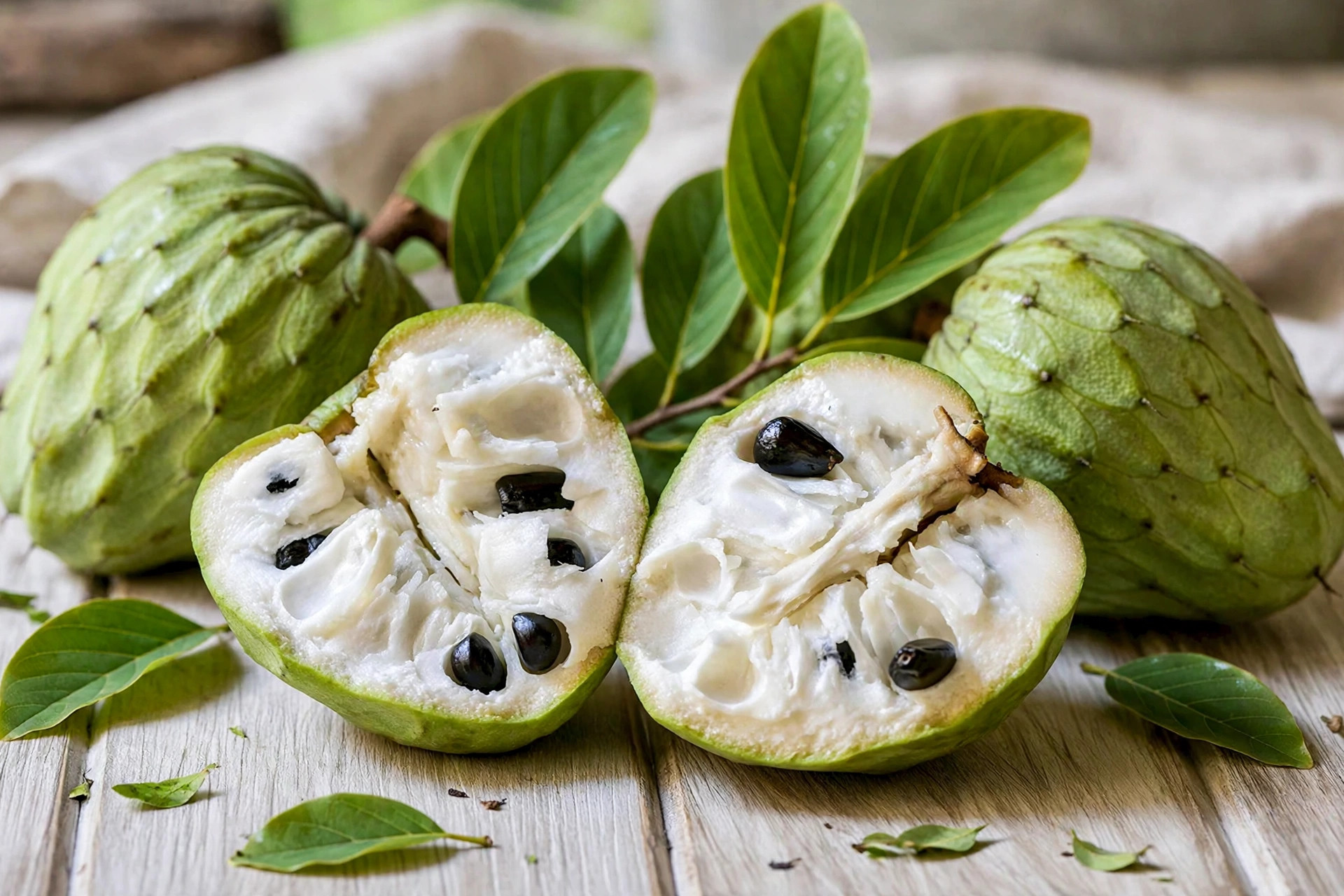
Mark Twain once called cherimoya "the most delicious fruit known to man", and anyone who has scooped out its custard-soft flesh can see why. This green, heart-shaped fruit from the Andean highlands tastes like a gentle blend of banana, pineapple and vanilla, and it brings a genuinely useful set of nutrients with it. As with many exotic fruits, though, the claims around cherimoya benefits run well ahead of the research — so here is what the evidence really says.
What Is Cherimoya?
Cherimoya (Annona cherimola) is a tropical fruit native to the valleys of Ecuador and Peru, now grown in Spain, California and other warm regions. Inside its scaly green skin is creamy white pulp dotted with hard, glossy dark seeds. The pulp is the only part to eat: the seeds and skin contain toxic compounds and should always be removed and discarded. One fruit (about 235 g of pulp) provides roughly 176 calories, 7 g of fibre, and around a third of the daily value for both vitamin B6 and vitamin C.
Cherimoya Benefits: What the Evidence Supports
There are no published human trials testing cherimoya itself for a health outcome, so the benefits below rest on what the fruit contains rather than studies of people eating it. That is still a solid foundation — cherimoya is, quite simply, a nutritious whole fruit.
A useful source of vitamin B6 and vitamin C
Vitamin B6 supports normal energy metabolism and the nervous system, while vitamin C supports immune function and helps protect cells from oxidative stress. A single cherimoya covers about 36% of the daily value for vitamin B6 and 33% for vitamin C, making it one of the stronger fruit sources of both.
Fibre that supports digestion
With around 5 g of fibre per cup, cherimoya contributes a meaningful share of the daily fibre target. Fibre supports healthy digestion, helps maintain regular bowel movements and feeds the friendly bacteria in the gut — the same gentle, everyday gut support that fibre-rich whole foods provide.
Potassium and magnesium for everyday balance
Cherimoya is a useful source of potassium (about 674 mg per fruit) with almost no sodium, plus a modest amount of magnesium. Both minerals play a role in normal muscle function and blood pressure regulation, and diets rich in potassium-containing foods are associated with healthier blood pressure in population studies.
Antioxidants, with an honest caveat
The fruit contains antioxidant compounds including flavonoids, carotenoids such as lutein, and vitamin C. Lutein is of particular interest for eye health. Some of the strongest antioxidant activity measured in the laboratory comes from the peel and leaves — parts we do not eat — but the flesh still offers a worthwhile contribution alongside a varied diet.
How to Choose and Eat Cherimoya
Choose a fruit that yields slightly to gentle pressure, like a ripe avocado, and let a firm one ripen on the counter for a day or two. Cut it in half, scoop out the creamy pulp with a spoon, and spit out or pick out the seeds as you go. It is lovely chilled, on its own as a dessert, or blended into a smoothie.
A Few Sensible Cautions
Never eat the seeds or the skin, and keep the fruit away from small children who might swallow a seed whole. As with any new food, try a small portion first if you have a fruit allergy. Cherimoya is a food, not a medicine — enjoy it as part of a balanced diet rather than relying on it for any specific health outcome.
Related reading on Organic Health Fix
- Jackfruit Benefits: What the Evidence Really Says
- Loquat Benefits: What the Evidence Really Says
- Mung Beans Benefits: What the Evidence Really Says
Tags: #Cherimoya #CustardApple #NaturalRemedies #WellnessTips #Nutrition #GutHealth #FruitBenefits #HealthyEating
Comments
Post a Comment