Opening a jar, carrying shopping, holding a handrail or turning a key can feel harder than it used to. Grip strength is part of everyday life, yet it is easy to overlook until simple tasks take more effort. The good news is that hands and forearms often respond well to gentle, regular practice. This guide looks at what the evidence suggests, with practical home-friendly ideas and sensible cautions. What grip strength benefits really mean Researchers often use grip strength as a simple marker of overall muscle function because it is easy to measure and reflects how well the hands and forearms work together. In studies of adults, stronger grip tends to sit alongside better mobility and an easier time with daily activities. That does not mean a hand exerciser can guarantee any particular health outcome. It does suggest that keeping the hands active is a worthwhile part of a balanced routine , alongside walking, leg strength and balance practice. Many people find the most noticeable ch...
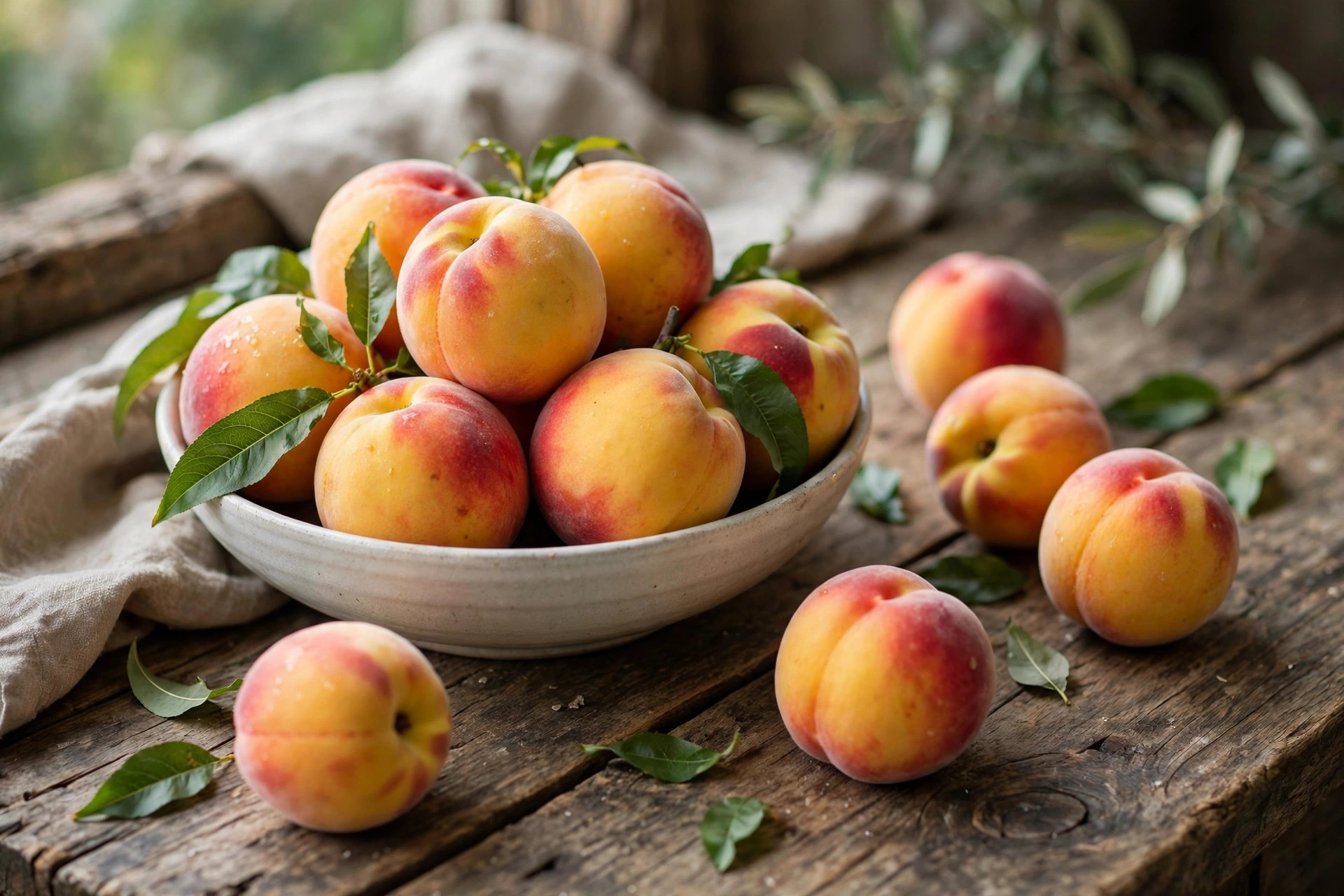
Peaches are one of summer's simplest pleasures: soft, fragrant and sweet enough to feel like a treat, yet light enough to eat every day. They carry a generous reputation — good for the skin, kind to the gut, rich in vitamins and helpful for the heart. Some of it is well earned; some runs ahead of the research. Here is what the evidence really says.
Peach Benefits: What's Inside One Peach
A medium peach, about 150 grams, provides roughly 59 calories, around 14 grams of carbohydrate, 2.3 grams of fibre and 1.4 grams of protein, according to USDA figures. It also brings about 10 milligrams of vitamin C, 16 micrograms of vitamin A, 285 milligrams of potassium and small amounts of magnesium, iron and vitamin E. A peach is about 89 percent water, which makes it a light, hydrating snack, and its golden colour comes from beta-carotene and other carotenoids the body can convert into vitamin A.
Vitamin C, Skin and Immune Support
Vitamin C supports the normal function of the immune system and is needed to make collagen, the protein that gives skin its structure. A medium peach provides roughly a tenth of a day's vitamin C — a useful contribution rather than a large one.
The antioxidants in peaches may help limit the cellular wear and tear linked to ageing, and some small studies suggest peach extracts can support skin hydration. That evidence comes mostly from laboratory and animal work, not from trials on eating peaches. Peaches fit well into a diet that supports skin health, alongside sun protection and good skin care.
Fibre and Gut Health
Peaches offer a mix of soluble and insoluble fibre, about 2.3 grams per medium fruit. Soluble fibre absorbs water and forms a gentle gel that can help soften stools, while insoluble fibre adds bulk and supports regular bowel movements. Together they help many people feel more comfortable day to day.
Peaches also contain prebiotic fibres that feed the beneficial bacteria already living in the gut. When these bacteria ferment the fibre, they produce short-chain fatty acids that help nourish the gut lining. Dried peaches concentrate the fibre, though they also concentrate the natural sugars, so fresh peaches are the lighter everyday choice.
Peach Benefits for Heart Health and Hydration
Peaches are cholesterol-free, fat-free and virtually sodium-free, and their potassium supports healthy blood pressure as part of a balanced diet. Diets rich in fruit and vegetables are linked to a lower risk of heart disease, and peaches fit comfortably into that pattern.
At around 89 percent water, a peach also contributes meaningfully to daily fluid intake, which is particularly useful in hot weather or after exercise. Peaches are not a replacement for drinking water, but they are a genuinely useful contributor, especially for people who prefer to get some of their fluid from food.
How to Choose, Store and Eat Peaches
A ripe peach gives slightly when pressed gently near the stem and smells sweet and fragrant. Avoid fruit that is rock hard, green around the stem, or bruised. Firm peaches ripen at room temperature in a day or two, then keep in the fridge for three to five days. Peaches are versatile: sliced into salads with mozzarella and basil, grilled briefly, baked into crumbles, or frozen into smoothies. The skin is edible and carries much of the fibre, so a good wash is all it needs.
Who Should Be a Little Careful
People with a known allergy to peaches — sometimes linked to birch pollen allergy — should avoid them. People watching blood sugar should keep portions in mind, as the natural sugars add up in large servings, and dried peaches are much more concentrated.
Related reading on Organic Health Fix
- Orange Benefits: What the Evidence Really Says
- Plum Benefits: What the Evidence Really Says
- Fig Benefits: What the Evidence Really Says
Peaches are not a miracle food, and they do not need to be. They are a light, hydrating stone fruit with vitamin C, fibre, potassium and plant compounds — one of the easiest healthy choices summer offers.
Disclaimer: This article is for general information only and is not medical advice. It does not diagnose, treat or prevent any condition. If you have a health condition, take medication, or are unsure whether a food suits you, please speak to a qualified healthcare professional.
Tags: #PeachBenefits #VitaminC #GutHealth #SkinHealth #Nutrition #NaturalHealth #OrganicHealthFix
Comments
Post a Comment