Opening a jar, carrying shopping, holding a handrail or turning a key can feel harder than it used to. Grip strength is part of everyday life, yet it is easy to overlook until simple tasks take more effort. The good news is that hands and forearms often respond well to gentle, regular practice. This guide looks at what the evidence suggests, with practical home-friendly ideas and sensible cautions. What grip strength benefits really mean Researchers often use grip strength as a simple marker of overall muscle function because it is easy to measure and reflects how well the hands and forearms work together. In studies of adults, stronger grip tends to sit alongside better mobility and an easier time with daily activities. That does not mean a hand exerciser can guarantee any particular health outcome. It does suggest that keeping the hands active is a worthwhile part of a balanced routine , alongside walking, leg strength and balance practice. Many people find the most noticeable ch...
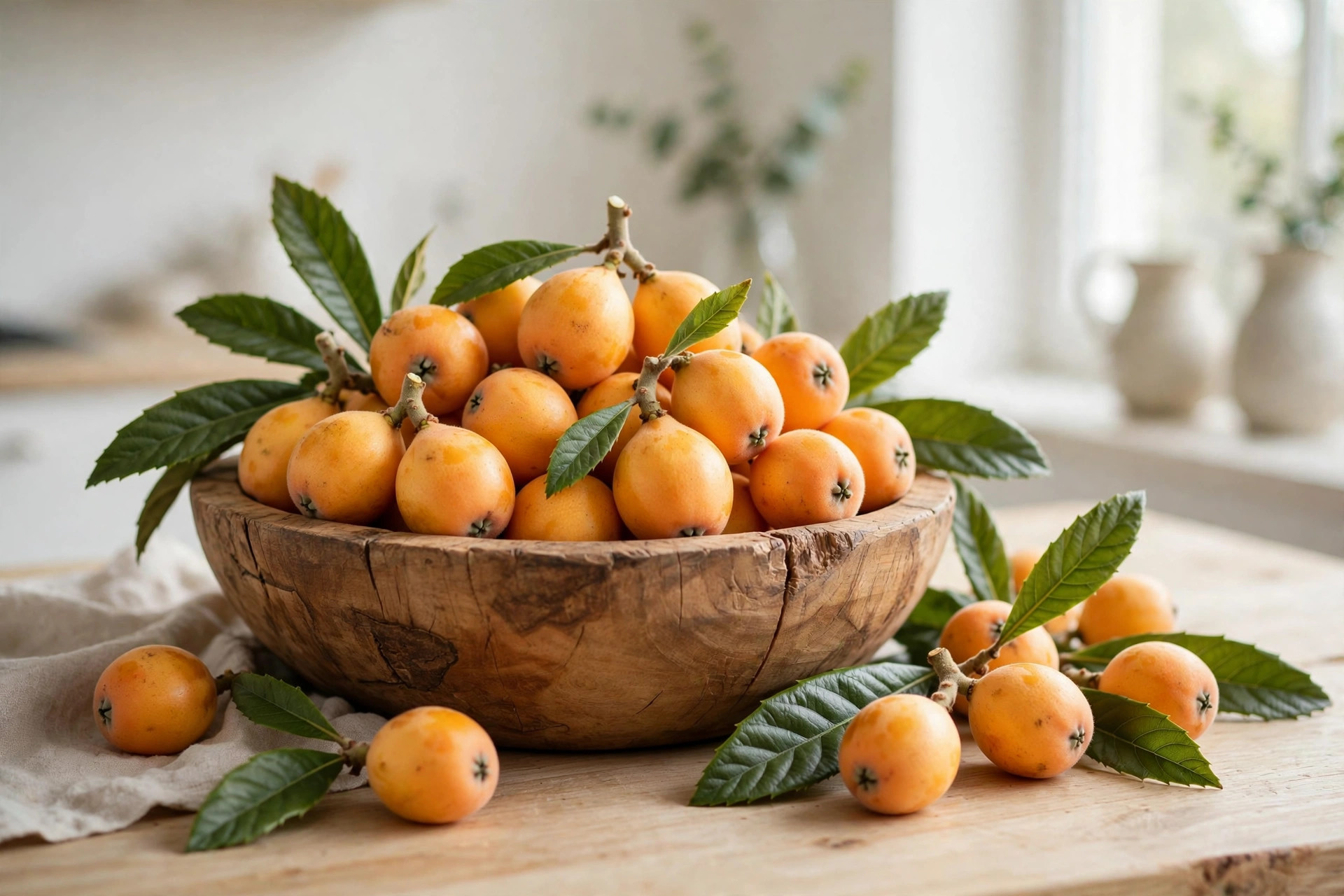
Loquats are small, golden fruits with a sweet, gently tart flavour — and they are quietly one of the most interesting seasonal fruits you can eat. Known as Japanese plums, they appear for just a few weeks each year. But beyond their sunny colour and soft, juicy flesh, what do loquats actually offer? Here is what the evidence really says.
What Is a Loquat?
The loquat (Eriobotrya japonica) is a subtropical fruit native to south-east China, now grown in warm regions around the world. Each fruit is round or oval, with smooth golden-orange skin, tender flesh and a few large seeds inside. They are usually eaten fresh, peeled like a small plum, but they also turn up in jams and juices. In traditional Chinese and Japanese practice, loquat fruit — and especially the leaves — have been used for centuries.
Loquat Nutrition at a Glance
A cup of cubed loquat (around 150 grams) provides roughly 70 calories, 18 grams of carbohydrate and about 2.5 grams of fibre, with very little fat. What stands out most is the vitamin A content, plus useful amounts of vitamin B6, folate, magnesium, potassium and manganese. The golden colour comes from carotenoids — plant compounds the body can convert into vitamin A — and loquats also contain phenolics and flavonoids under study.
Loquat Benefits: What the Research Suggests
It is worth being honest up front: direct research on eating loquats in people is still limited, and much of the evidence comes from laboratory and animal studies. Even so, the nutrients in the fruit point to several gentle, plausible benefits.
Gentle support for digestion
Loquats provide a useful amount of fibre for such a light fruit, and some of it is pectin — a soluble fibre that acts as a prebiotic, feeding the friendly bacteria in the gut. Many people find that a fibre-rich fruit habit helps keep digestion regular, and loquat's mix of fibre and water makes it an easy, soothing snack after a heavy meal.
Vitamin A and eye health
Vitamin A is essential for healthy vision, especially in low light, and loquats are one of the richer fruit sources of it. Their carotenoids, including beta-carotene, lutein and zeaxanthin, also act as antioxidants that help protect cells from everyday damage.
Heart-friendly minerals
Loquats supply potassium and magnesium, two minerals known to help manage blood pressure and support normal muscle and nerve function. Their fibre may also help with cholesterol balance. None of this makes loquats a treatment for heart problems — but as part of a varied diet, they are a genuinely heart-friendly choice.
Steady energy and blood sugar
With a low glycaemic index of around 43, loquats release their natural sugars slowly, and their fibre further slows absorption. Early research also suggests compounds in loquat fruit and leaves may help the body use insulin more effectively, though human studies are still needed.
How to Enjoy Loquats at Home
Fresh loquats need little preparation. Choose fruits that feel slightly soft and look deep golden-orange, avoiding bruised ones. Peel away the thin skin, remove the seeds, and eat the flesh as it is — or try them sliced over yoghurt, stirred into porridge, or blended into a smoothie. Because they are so perishable, buy only what you will eat within a few days and keep them in the fridge.
A Few Sensible Cautions
Loquats are generally safe to eat in normal food amounts, but a few notes are worth keeping in mind. Do not eat the seeds — like the seeds of apples and apricots, they contain compounds that are not meant for eating. People with a stone-fruit sensitivity should try a small amount first. And if you take medication for blood sugar, mention any new regular fruit habit to your clinician, since loquat leaf teas are far more concentrated than the fresh fruit.
Related reading on Organic Health Fix
- Kiwano Benefits: What the Evidence Really Says
- Rambutan Benefits: What the Evidence Really Says
- Mangosteen Benefits: What the Evidence Really Says
Tags: #LoquatBenefits #NaturalRemedies #WellnessTips #GutHealth #VitaminA #SeasonalEating #HealthyFruit #OrganicHealthFix
Comments
Post a Comment