Opening a jar, carrying shopping, holding a handrail or turning a key can feel harder than it used to. Grip strength is part of everyday life, yet it is easy to overlook until simple tasks take more effort. The good news is that hands and forearms often respond well to gentle, regular practice. This guide looks at what the evidence suggests, with practical home-friendly ideas and sensible cautions. What grip strength benefits really mean Researchers often use grip strength as a simple marker of overall muscle function because it is easy to measure and reflects how well the hands and forearms work together. In studies of adults, stronger grip tends to sit alongside better mobility and an easier time with daily activities. That does not mean a hand exerciser can guarantee any particular health outcome. It does suggest that keeping the hands active is a worthwhile part of a balanced routine , alongside walking, leg strength and balance practice. Many people find the most noticeable ch...
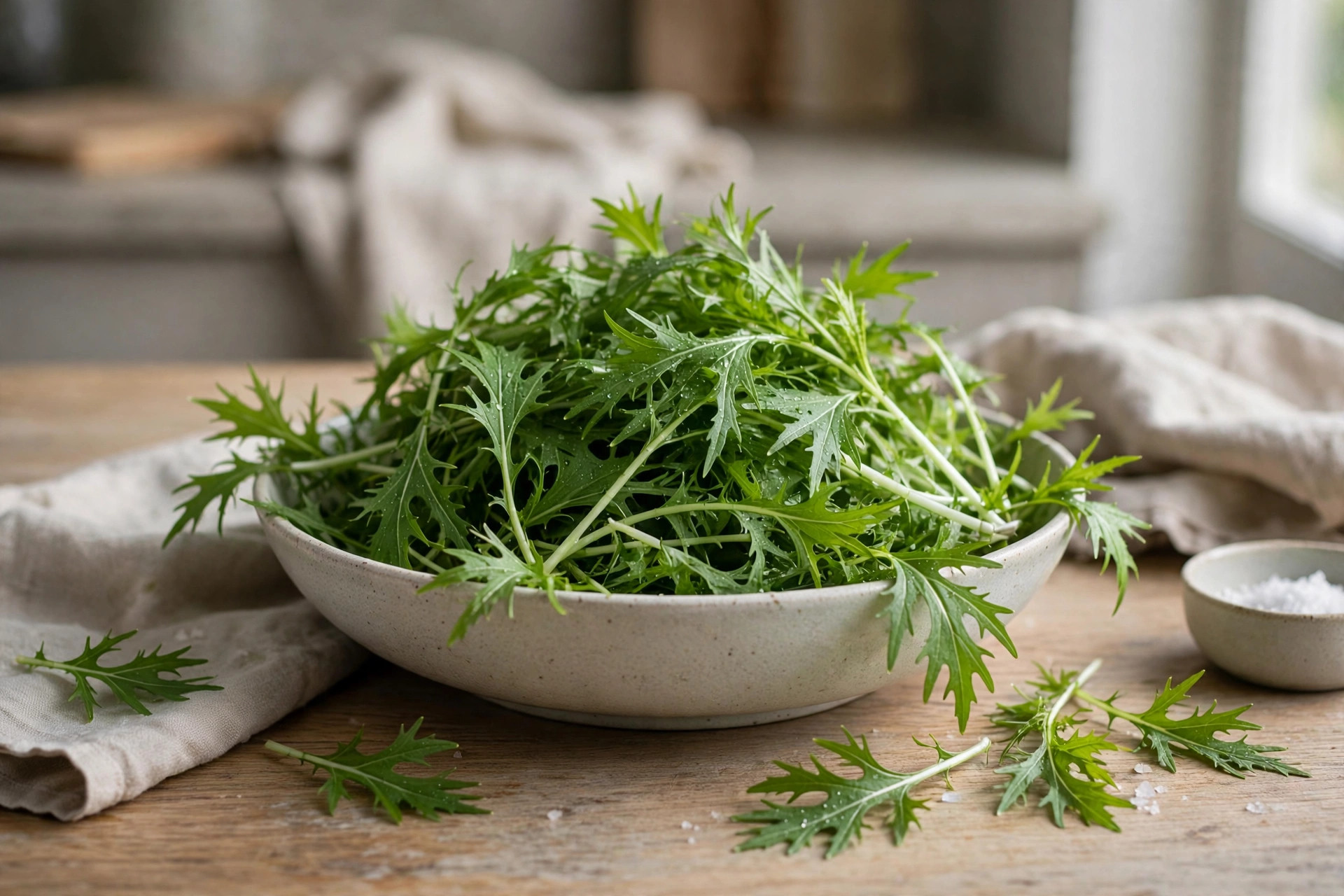
Mizuna is a feathery Japanese leafy green you may have met in salad mixes without knowing its name. With serrated leaves and a mild, peppery bite, it sits somewhere between lettuce and mustard greens in character. It is often described online as a nutritional powerhouse, so this guide looks at what is actually known about mizuna benefits, where the evidence is solid, and where it is still thin.
Mizuna benefits start with its nutrition
Mizuna (Brassica rapa var. nipposinica) is a traditional vegetable of Kyoto, in the same species as turnip and bok choy. According to Japanese food composition tables, 100 grams of raw leaves provide roughly 23 calories, 3 grams of fibre, 210 mg of calcium, 480 mg of potassium, 55 mg of vitamin C, 140 micrograms of folate, and 120 micrograms of vitamin K, along with beta-carotene that the body can convert to vitamin A.
That profile makes mizuna a nutrient-dense way to add volume and variety to meals. Vitamin K plays a normal role in blood clotting and bone metabolism, folate supports normal cell division, and fibre contributes to comfortable digestion as part of a varied diet. Many people find mizuna an easy way to make salads, soups and stir-fries feel fresher without adding many calories.
What the research does and does not show
Here is the honest limit: mizuna itself has not been tested in human clinical trials as a food. The research base consists mainly of nutrient analyses and laboratory studies of its compounds, including glucosinolates, which brassica vegetables share. Laboratory interest in these compounds is genuine, but laboratory findings do not automatically translate into proven effects from eating a salad.
The fairest summary is that mizuna benefits rest on its nutritional content and on what is generally known about eating a variety of leafy brassica vegetables, rather than on mizuna-specific proof. That is still a good reason to enjoy it: dietary variety is consistently linked with better overall eating patterns, and mizuna is a pleasant way to widen the range of greens on your plate.
Simple ways to enjoy mizuna
Mizuna is at its best raw or barely cooked. Toss the leaves through salads, layer them into sandwiches, or scatter them over grain bowls for a peppery finish. In Japanese home cooking it also appears in soups and hot pots, where it wilts in seconds. Add it at the very end of cooking to keep its colour and bite, and note that prolonged boiling reduces its vitamin C content.
Choosing and storing leaves
Look for bright green leaves with crisp white stalks and no yellowing. Store it in the fridge and use it within a few days. Wash the leaves well before eating, as with any salad green.
Sensible cautions
Mizuna eaten in normal food amounts is generally considered safe. Because it is rich in vitamin K, people who take warfarin or similar medicines are usually advised to keep their vitamin K intake steady rather than suddenly changing it, so it is worth mentioning any big dietary change to your clinician. This article is general wellness information only and is not medical advice.
Used simply, mizuna earns its place as a fresh, versatile green: light, peppery, and nutritionally generous, with evidence that supports enjoying it as part of a varied diet rather than expecting miracles from it.
Related reading on Organic Health Fix
- Lettuce Benefits: What the Evidence Really Says
- Fonio Benefits: What the Evidence Really Says
- Jasmine Tea Benefits: What the Evidence Really Says
Tags: #Mizuna #LeafyGreens #NaturalRemedies #Nutrition #WellnessTips #GutHealth
Comments
Post a Comment