Opening a jar, carrying shopping, holding a handrail or turning a key can feel harder than it used to. Grip strength is part of everyday life, yet it is easy to overlook until simple tasks take more effort. The good news is that hands and forearms often respond well to gentle, regular practice. This guide looks at what the evidence suggests, with practical home-friendly ideas and sensible cautions. What grip strength benefits really mean Researchers often use grip strength as a simple marker of overall muscle function because it is easy to measure and reflects how well the hands and forearms work together. In studies of adults, stronger grip tends to sit alongside better mobility and an easier time with daily activities. That does not mean a hand exerciser can guarantee any particular health outcome. It does suggest that keeping the hands active is a worthwhile part of a balanced routine , alongside walking, leg strength and balance practice. Many people find the most noticeable ch...
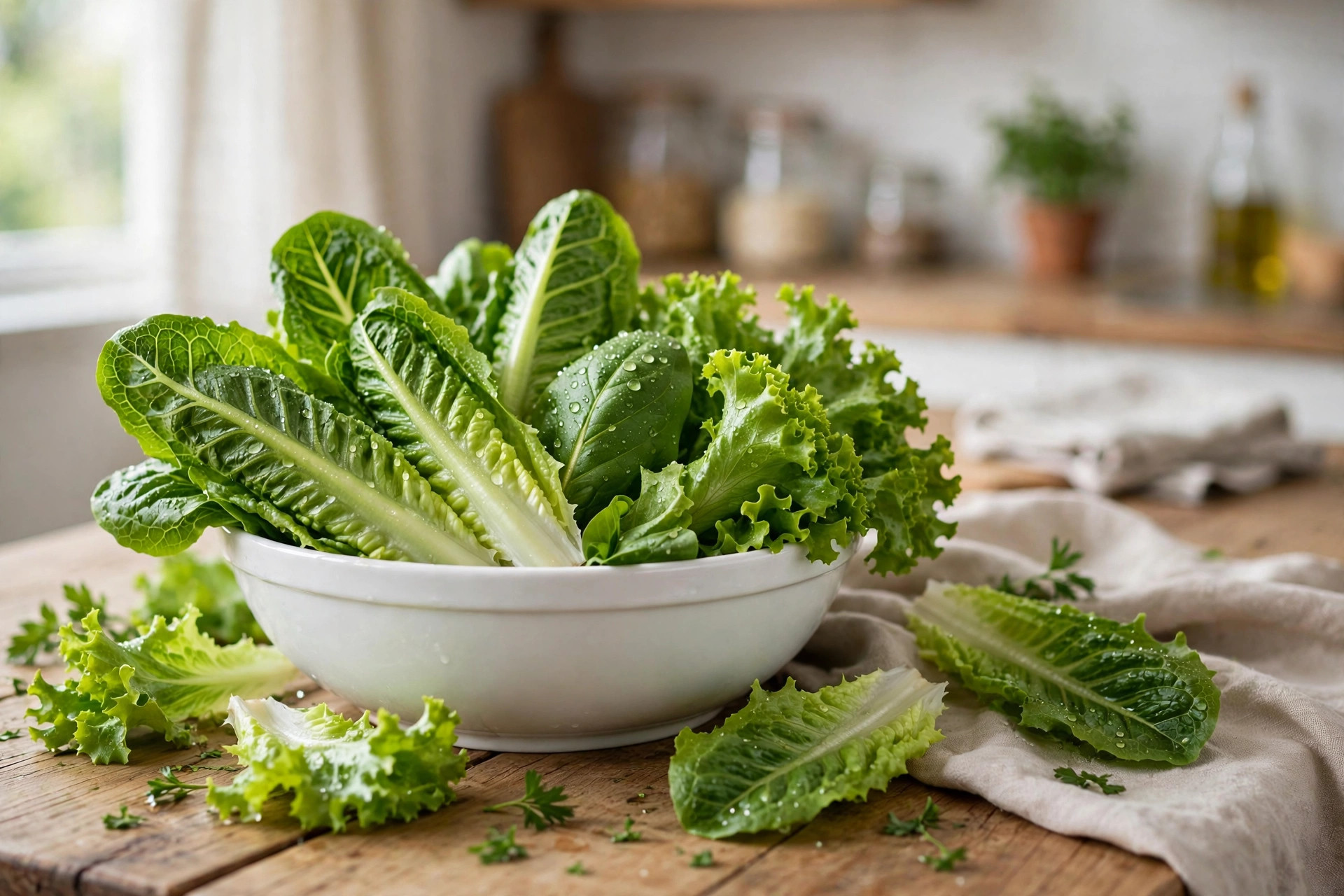
Lettuce is easy to overlook. It sits quietly in salads and sandwiches, adding crunch and colour, while heartier greens often take the credit. Yet this humble leaf deserves a closer look. Different lettuces vary a great deal, and the darker, looser leaves tend to offer more nutrition than pale iceberg. This guide explains what lettuce provides, where the evidence is strongest, and how to enjoy it in simple, everyday ways.
What lettuce benefits really come from
Most lettuce benefits come from a simple combination: very few calories, plenty of water, and useful amounts of vitamins K and A and folate. One cup of shredded lettuce provides roughly 5 to 10 calories, yet leaf varieties can supply a meaningful share of your daily vitamin K and vitamin A. Romaine, green leaf and red leaf lettuces are generally richer than iceberg, which is mostly water and crunch.
Lettuce also contributes small amounts of fibre, potassium and vitamin C. No single leaf will cover your whole day, and lettuce should not be treated as a complete food. Its strength is different: it lets you add generous, fresh volume to meals without adding much energy, which many people find helpful for building satisfying plates.
Vitamins K and A, folate and hydration
Vitamin K plays a role in normal blood clotting and bone health, and lettuce is one of the easier everyday sources. Vitamin A, largely from carotenoids such as beta-carotene, supports normal vision and immune function. Folate is a B vitamin involved in normal cell growth. Research on leafy greens as a group links regular servings with healthier ageing patterns, although studies usually examine greens together rather than lettuce alone.
Hydration is the quieter benefit. Lettuce is around 95 per cent water, so a large salad contributes fluid as well as fibre. A small side salad before a main course is a habit many people enjoy, and it can help a meal feel fuller and more balanced.
Gentle ways to enjoy lettuce every day
Choose variety where you can. Romaine brings sturdy crunch for wraps and chopped salads. Butterhead is soft and mild for sandwiches. Red leaf adds colour and a slightly earthy flavour. Mixing two types keeps salads interesting without extra effort.
Simple serving ideas
Try lettuce cups filled with seasoned lentils or chickpeas, shredded lettuce stirred into warm grain bowls just before serving, or a chopped salad with cucumber, tomatoes and a squeeze of lemon. A little olive oil or another healthy fat in the dressing helps your body absorb fat-soluble vitamins A and K from the leaves. Wash leaves well, dry them thoroughly, and dress salads at the last moment so they stay crisp.
Sensible cautions and storage tips
Lettuce is generally well tolerated, but a few cautions are worth knowing. Because lettuce contains vitamin K, people who take blood-thinning medicines are usually advised to keep vitamin K intake steady and to check with their clinician before making large changes. Rinse lettuce well, discard damaged leaves, and keep it refrigerated. Store dry leaves in a sealed box lined with kitchen paper and use them within a few days.
Seen honestly, lettuce will not transform health on its own. What it does well is make everyday eating fresher, lighter and more varied. Kept in rotation with spinach, kale and other vegetables, it earns its place as a dependable, affordable leafy green.
Related reading on Organic Health Fix
- Spinach Benefits: What the Evidence Really Says
- Fermented Foods for Gut Health: What the Evidence Really Says
- Bell Pepper Benefits: What the Evidence Really Says
Tags: #LettuceBenefits #LeafyGreens #Nutrition #WellnessTips #HealthyEating #GutHealth
Comments
Post a Comment