Opening a jar, carrying shopping, holding a handrail or turning a key can feel harder than it used to. Grip strength is part of everyday life, yet it is easy to overlook until simple tasks take more effort. The good news is that hands and forearms often respond well to gentle, regular practice. This guide looks at what the evidence suggests, with practical home-friendly ideas and sensible cautions. What grip strength benefits really mean Researchers often use grip strength as a simple marker of overall muscle function because it is easy to measure and reflects how well the hands and forearms work together. In studies of adults, stronger grip tends to sit alongside better mobility and an easier time with daily activities. That does not mean a hand exerciser can guarantee any particular health outcome. It does suggest that keeping the hands active is a worthwhile part of a balanced routine , alongside walking, leg strength and balance practice. Many people find the most noticeable ch...
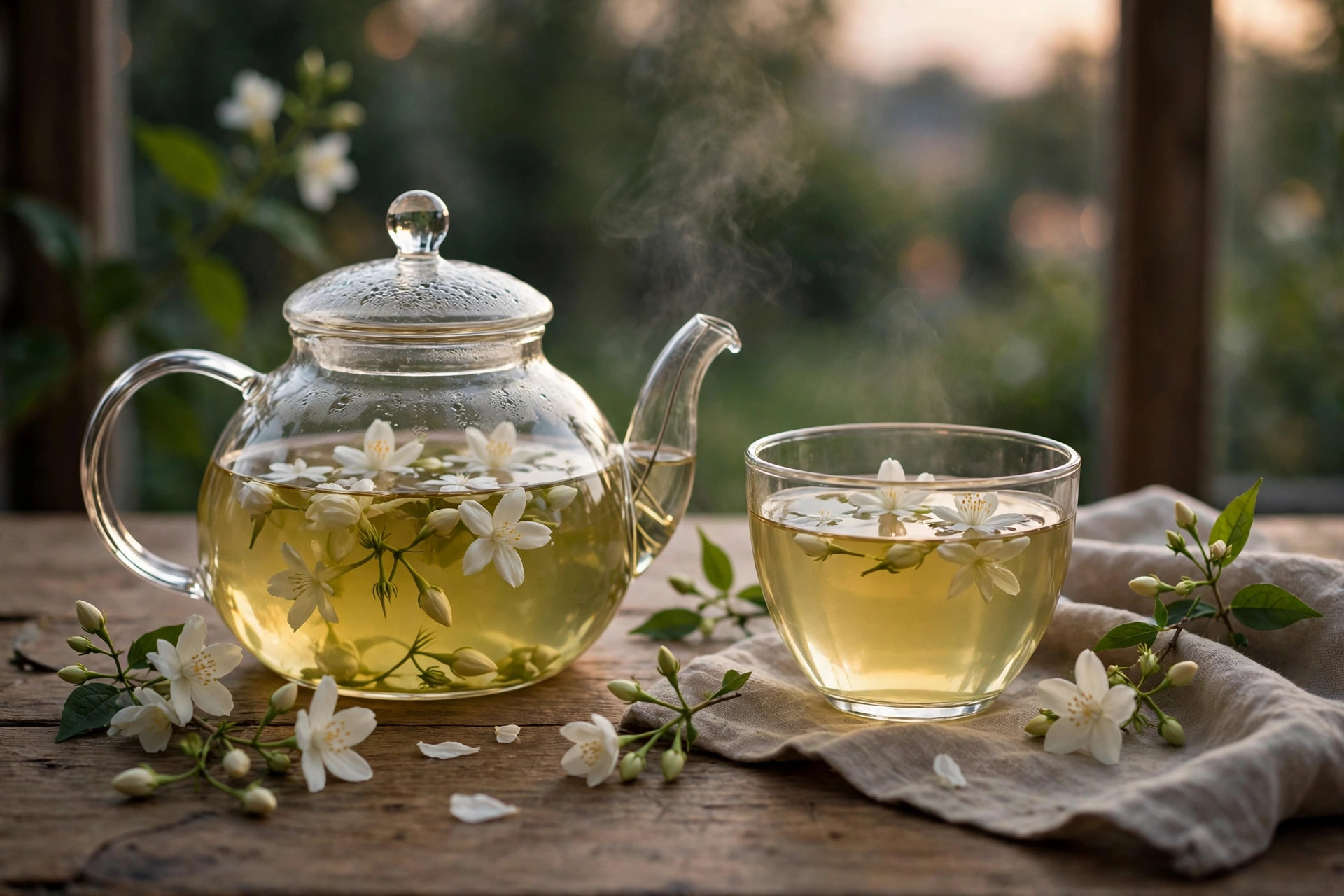
Jasmine tea is one of those small everyday pleasures that feels like a pause button: warm, floral, and quietly calming. It is a favourite evening cup for many who want something gentler than coffee but more fragrant than plain green tea. What does the evidence actually say? The honest answer is encouraging but modest — most of the benefits come from its green tea base, with the jasmine aroma adding a gentle calming touch of its own.
What Is Jasmine Tea?
Jasmine tea is not a separate plant. It is green tea — leaves of Camellia sinensis — layered with fresh jasmine blossoms, usually overnight, so the leaves slowly absorb the floral fragrance. It carries green tea’s catechins, polyphenols and L-theanine, plus aromatic compounds from the flowers, such as linalool. A typical cup contains around 25–35 mg of caffeine, roughly a third of a cup of coffee, and no calories.
Jasmine Tea Benefits: What the Evidence Really Says
The strongest evidence belongs to the green tea base. A meta-analysis of 14 trials in 1,136 adults found green tea lowered total cholesterol by 7.2 mg/dL and LDL by 2.2 mg/dL, and systolic blood pressure by roughly 2 mmHg. Jasmine tea carries essentially the same catechin load as the unscented leaf, so it plausibly shares these modest effects — though the trials used ordinary brewed tea, not jasmine tea specifically.
Calm focus is the benefit many people notice first. Green tea pairs a modest caffeine dose with 8–20 mg of L-theanine, an amino acid that smooths caffeine’s edge. A 2014 review found caffeine plus theanine improved alertness and reaction time within one to two hours, with less jitteriness than caffeine alone. In one small controlled study, the jasmine aroma itself lowered heart rate and raised calm-mood scores within minutes.
Jasmine Tea and Sleep: A Gentle Evening Ritual
Can jasmine tea help you sleep? Probably a little — but not like a sedative. L-theanine boosts alpha-wave activity linked to relaxed wakefulness and reduces stress responses in controlled studies. The aroma may help too: research on jasmine’s volatile compounds found that inhaling the fragrance reduced sympathetic nervous system activity — the body’s fight-or-flight response — in healthy adults. A small 2016 study found modest improvements in self-reported sleep quality among jasmine tea drinkers.
The ritual helps too: a warm cup at the same time each night trains the brain to link jasmine tea with winding down — a principle sleep medicine calls stimulus control. One practical note: because jasmine tea contains caffeine, many people find it works best as an early-evening cup rather than a last-thing-before-bed one, or they choose a decaffeinated base.
How to Brew Jasmine Tea Well
Use water at around 80–85°C rather than fully boiling, which can turn the leaves bitter, and steep for two to three minutes. One to two teaspoons of loose leaf per cup is plenty, and good-quality leaves can usually be re-steeped once or twice. Two to four cups a day is a sensible amount for most adults. Try it plain first — the floral scent is the point — and make your cup about an hour before bed, away from screens.
A Few Sensible Cautions
Jasmine tea is a gentle, everyday drink, but a few cautions are worth keeping in mind. If you are sensitive to caffeine, keep your last cup earlier in the evening. Green tea can interact with blood-thinning medication, so mention your tea habit to your clinician if that applies to you. Pregnant or breastfeeding readers should keep to moderate amounts and check with their clinician, as with any caffeinated drink. No tea treats insomnia or anxiety — if sleep troubles persist, see a clinician.
Jasmine tea will not transform your health overnight. What it offers is simpler: the antioxidants of a good green tea, a modest lift in calm focus, and a fragrant little ritual that helps the day wind down.
Related reading on Organic Health Fix
- Bedtime Wind-Down Routine for Better Sleep: A Gentle Guide
- Magnesium for Sleep: What the Evidence Really Says
- Black Tea Benefits: What the Evidence Really Says
Tags: #JasmineTea #HerbalTea #NaturalRemedies #SleepTips #WellnessTips #GreenTea #CalmEvenings
Comments
Post a Comment