Opening a jar, carrying shopping, holding a handrail or turning a key can feel harder than it used to. Grip strength is part of everyday life, yet it is easy to overlook until simple tasks take more effort. The good news is that hands and forearms often respond well to gentle, regular practice. This guide looks at what the evidence suggests, with practical home-friendly ideas and sensible cautions. What grip strength benefits really mean Researchers often use grip strength as a simple marker of overall muscle function because it is easy to measure and reflects how well the hands and forearms work together. In studies of adults, stronger grip tends to sit alongside better mobility and an easier time with daily activities. That does not mean a hand exerciser can guarantee any particular health outcome. It does suggest that keeping the hands active is a worthwhile part of a balanced routine , alongside walking, leg strength and balance practice. Many people find the most noticeable ch...
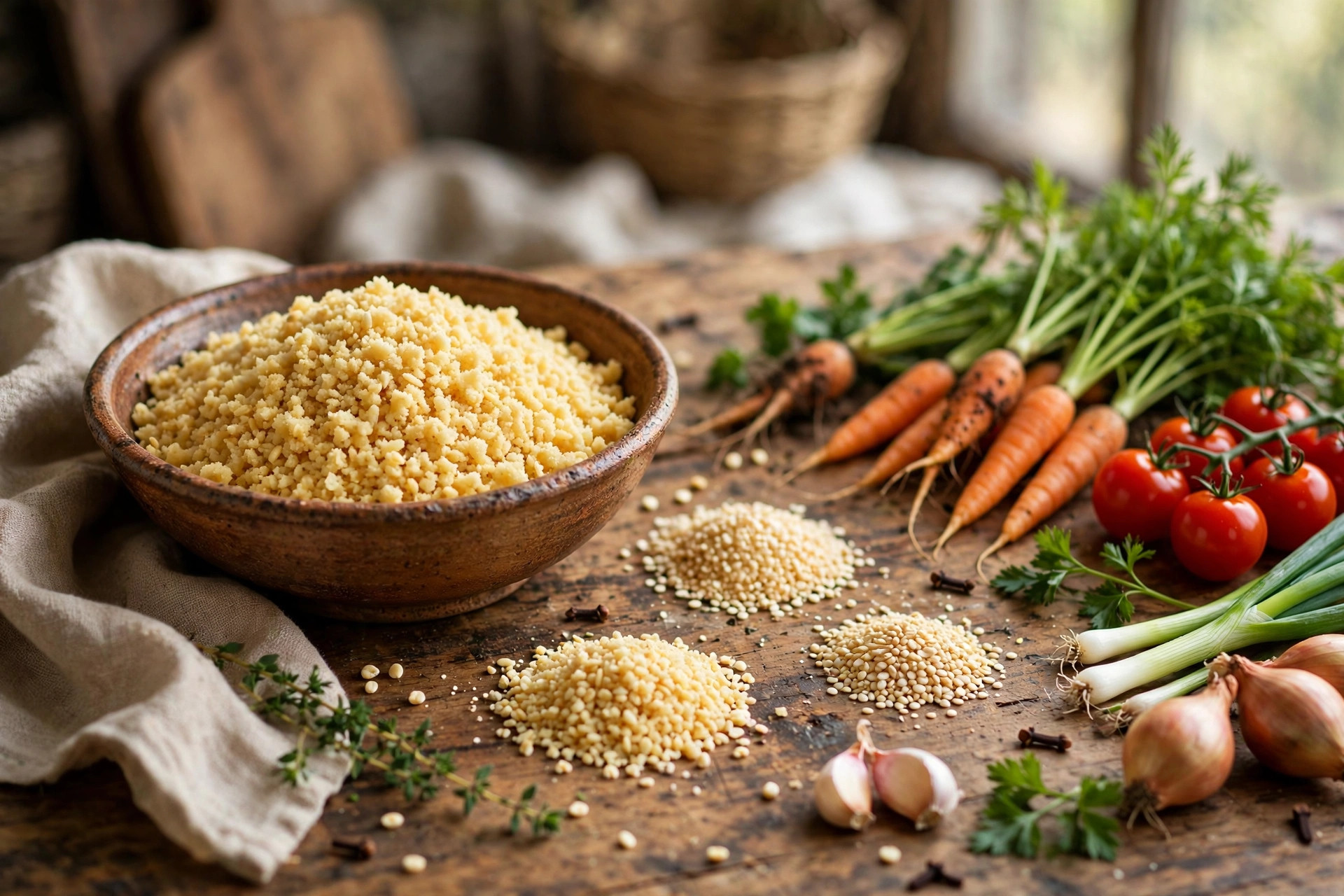
Fonio is a tiny ancient grain from West Africa that many people are only just discovering. Cooked, it looks a little like couscous, with a mild, slightly nutty flavour, and it cooks in just a few minutes. But what do the fonio benefits really look like once the “superfood” headlines are set aside? This guide looks at its nutrition, the early research, and simple ways to enjoy it within a varied, balanced diet.
What Is Fonio?
Fonio is a small-seeded member of the millet family, cultivated in West Africa for thousands of years. The type most often sold outside Africa is white fonio, Digitaria exilis. It is naturally gluten-free, low in fat, and quick to prepare, traditionally eaten as a couscous-style side, porridge, or in salads and soups. Fonio remains understudied compared with oats or brown rice, so many claimed benefits rest on its nutrient profile rather than large human trials.
Fonio Benefits: Fibre, Protein and Steady Energy
Analyses of fonio samples suggest it provides a useful mix of nutrients. A quarter-cup (about 45 grams) of dry fonio provides roughly 170 calories, around 2 grams of protein, and small amounts of iron and B vitamins such as thiamine, riboflavin and niacin. Across samples, protein averages about 8.5 grams per 100 grams of dry grain, and fonio is noted for amino acids such as methionine and cysteine, which are often lower in other cereals. It also supplies minerals including magnesium, zinc, copper and calcium, although amounts vary with variety and growing conditions.
Fibre for Gut Health
Fibre content also varies, but whole-grain fonio can contribute meaningfully to daily fibre intake. Fibre is generally associated with healthy digestion, regular bowel habits and feeding the gut bacteria that support a balanced gut environment. As with any fibre-rich food, many people find it sensible to increase portions gradually and drink enough water alongside.
A Lower Glycaemic Index
One small study of 17 people found fonio had a glycaemic index of about 35 in healthy participants and 49 in those with type 2 diabetes, lower than white rice or white bread. That suggests fonio may release its energy more slowly, although this is early evidence from a small group. Portion size and what you serve with it still matter most for steady energy through the day.
Simple Ways to Enjoy Fonio at Home
Fonio is forgiving to cook. Rinse it, simmer briefly in water or stock, then let it stand and fluff with a fork. Try it in a warm grain salad with roasted vegetables, herbs and a squeeze of lemon, or as a base for lentils, chickpeas and leafy greens. For breakfast, cooked fonio with stewed fruit, cinnamon and a spoonful of yoghurt makes a gentle, filling bowl. It can also thicken soups or replace couscous in stuffed peppers.
Sensible Cautions
Fonio is a food, not a medicine, and it does not treat or cure any condition. Because research in people is still limited, strong health claims go beyond the evidence. If you follow a gluten-free diet for medical reasons, choose fonio labelled gluten-free. Start with a modest portion, and speak to a qualified health professional for personal advice, especially if you manage a long-term condition.
The honest summary: fonio is a nutritious, versatile ancient grain with promising fibre, protein and low-GI qualities.
Related reading on Organic Health Fix
- Quinoa Benefits: What the Evidence Really Says
- Chia Seeds Benefits: What the Evidence Really Says
- Lentils Benefits: What the Evidence Really Says
Tags: #Fonio #AncientGrains #GutHealth #Nutrition #NaturalRemedies #WellnessTips #GlutenFree
Comments
Post a Comment