Opening a jar, carrying shopping, holding a handrail or turning a key can feel harder than it used to. Grip strength is part of everyday life, yet it is easy to overlook until simple tasks take more effort. The good news is that hands and forearms often respond well to gentle, regular practice. This guide looks at what the evidence suggests, with practical home-friendly ideas and sensible cautions. What grip strength benefits really mean Researchers often use grip strength as a simple marker of overall muscle function because it is easy to measure and reflects how well the hands and forearms work together. In studies of adults, stronger grip tends to sit alongside better mobility and an easier time with daily activities. That does not mean a hand exerciser can guarantee any particular health outcome. It does suggest that keeping the hands active is a worthwhile part of a balanced routine , alongside walking, leg strength and balance practice. Many people find the most noticeable ch...
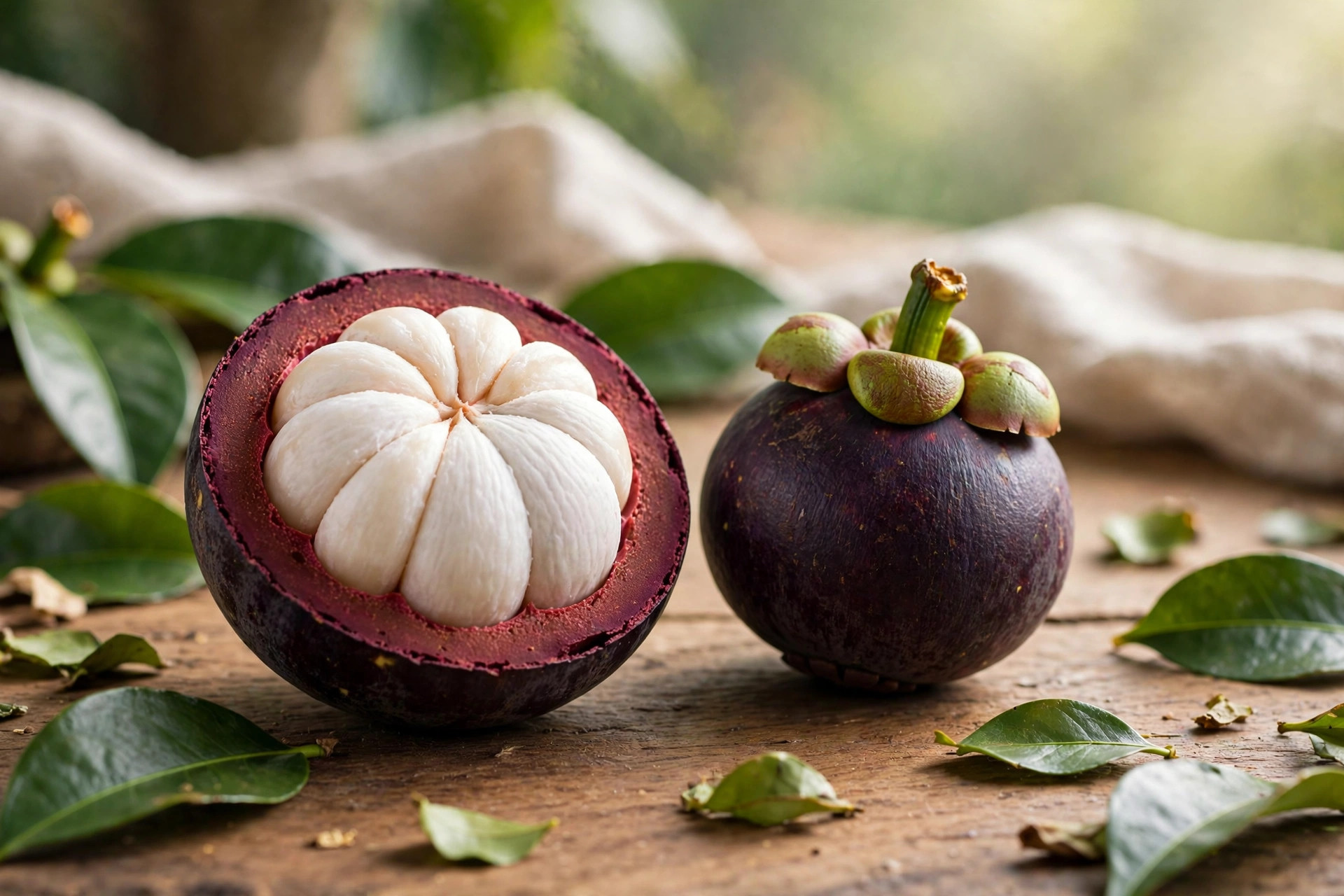
Mangosteen, sometimes called the queen of tropical fruit, has a loyal following in Southeast Asia, where it has been enjoyed for centuries. Beneath its thick purple rind sits soft, white, segmented flesh with a gentle sweet-tart flavour. In recent years the fruit has drawn attention from researchers too, largely because of a group of plant compounds called xanthones. Here is what the evidence really says — and how to enjoy mangosteen simply at home.
What Is Mangosteen?
Mangosteen (Garcinia mangostana) grows in the warm, humid climates of Southeast Asia. The fruit is about the size of a small orange, with a deep purple rind that you open to reveal white segments, a little like a tangerine. The flesh is the part most people eat fresh, while the rind has traditionally been used in folk remedies for tummy upsets and skin complaints. Fresh mangosteen is rich in fibre and vitamin C, and provides useful amounts of magnesium and B vitamins, all for around 70 calories per 100 grams.
Mangosteen Xanthones and Antioxidant Support
The compounds that make mangosteen interesting to scientists are xanthones — a family of polyphenols concentrated mainly in the rind, with smaller amounts in the flesh. The best studied are alpha-mangostin and gamma-mangostin. In laboratory and animal studies, these compounds have shown antioxidant and anti-inflammatory activity, and a 2020 study published in Free Radical Biology and Medicine found that one xanthone, garcinone D, helped protect the gut lining in cell models by supporting the proteins that hold intestinal cells together.
Human evidence is more modest but encouraging. In a small trial, healthy adults who drank a mangosteen-based drink daily for 30 days saw their blood antioxidant capacity rise by about 15% and a marker of inflammation, C-reactive protein, fall by 46% compared with placebo — with no reported effects on liver or kidney function. Researchers caution, however, that xanthones are absorbed in small and highly variable amounts, and that eating the fruit with a little dietary fat may help absorption. The honest picture is that mangosteen looks promising as part of an antioxidant-rich diet, not as a standalone remedy.
Mangosteen for Gut Health and Digestion
The fibre in mangosteen's flesh supports regular digestion and feeds the friendly bacteria in the gut, which many people find helpful for everyday comfort. Traditionally, the rind was brewed as a tea for diarrhoea and abdominal discomfort, and modern cell studies suggest xanthones may help keep the intestinal barrier strong. That said, most of this work is still at the laboratory stage, and the rind itself is very bitter — it is best left to supplement makers, while the rest of us enjoy the flesh. If you have a sensitive stomach, start with a small portion and see how you feel.
How to Eat Mangosteen at Home
Choose fruit that feels heavy for its size, with a firm, dark purple rind and fresh green calyx leaves. To open it, press gently around the middle until the rind cracks, then twist the two halves apart and lift out the white segments with a spoon or your fingers. Eat it fresh, add segments to a fruit salad, or blend the flesh into a smoothie with yoghurt and a little honey. Mangosteen pairs well with other tropical fruit, and a handful makes a refreshing after-dinner treat. Keep fresh fruit in the fridge and eat within a few days.
A Few Sensible Cautions
Mangosteen is generally considered safe as a food, but a few notes are worth keeping in mind. The rind and concentrated extracts can interact with some medicines, so if you take regular medication, check with your pharmacist before trying mangosteen supplements. Very large amounts of xanthone extracts have been linked in rare reports to side effects, which is another reason to enjoy the whole fruit rather than chasing high-dose products. As with any new food, a small first taste is a sensible way to begin.
Related reading on Organic Health Fix
- Kiwano Benefits: What the Evidence Really Says
- Rambutan Benefits: What the Evidence Really Says
- Pistachios Benefits: What the Evidence Really Says
Tags: #Mangosteen #MangosteenBenefits #Xanthones #Antioxidants #GutHealth #TropicalFruit #NaturalRemedies #WellnessTips
Comments
Post a Comment