Opening a jar, carrying shopping, holding a handrail or turning a key can feel harder than it used to. Grip strength is part of everyday life, yet it is easy to overlook until simple tasks take more effort. The good news is that hands and forearms often respond well to gentle, regular practice. This guide looks at what the evidence suggests, with practical home-friendly ideas and sensible cautions. What grip strength benefits really mean Researchers often use grip strength as a simple marker of overall muscle function because it is easy to measure and reflects how well the hands and forearms work together. In studies of adults, stronger grip tends to sit alongside better mobility and an easier time with daily activities. That does not mean a hand exerciser can guarantee any particular health outcome. It does suggest that keeping the hands active is a worthwhile part of a balanced routine , alongside walking, leg strength and balance practice. Many people find the most noticeable ch...
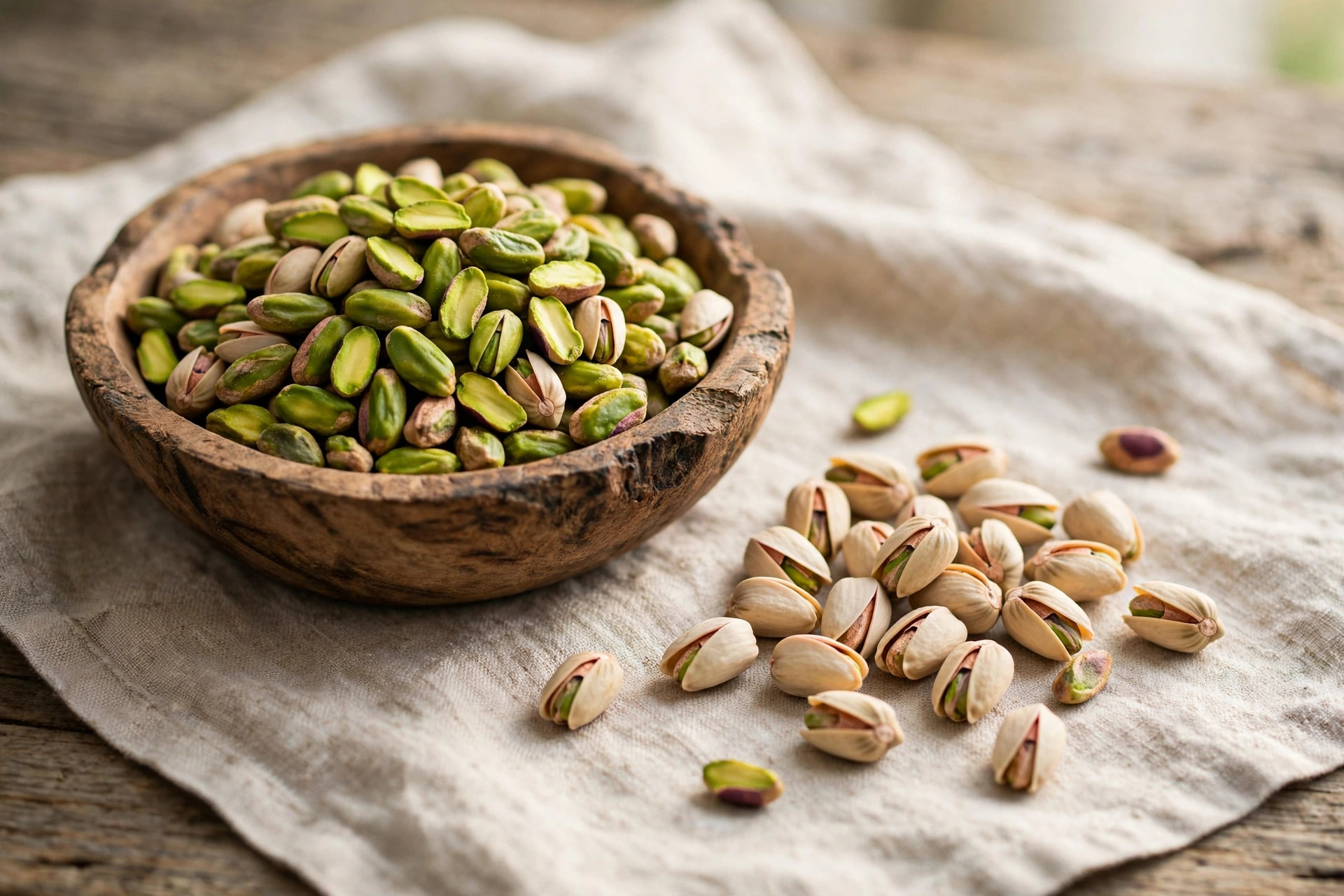
Pistachios have been enjoyed for thousands of years, and modern research keeps finding reasons to love them. A small handful delivers fibre, plant protein, healthy fats and vitamin B6 — all in a snack that feels genuinely satisfying. Here is what the evidence really says, and how to enjoy them as part of an everyday healthy pattern.
Pistachios Benefits for Heart Health: What the Evidence Shows
Heart health is where pistachios have been studied most. They are rich in monounsaturated fats, potassium, plant sterols and the amino acid arginine, which the body converts into nitric oxide — a compound that helps blood vessels relax. Across controlled trials, pistachio-enriched diets have been linked with modest improvements in total and LDL cholesterol, and in some studies a small rise in HDL cholesterol too.
A 2022 review of 17 randomised controlled trials involving 940 adults found that eating pistachios significantly reduced systolic blood pressure, triglycerides and fasting blood glucose, while raising HDL cholesterol. The effect is gentle, and it works best when pistachios replace less healthy snacks rather than being added on top of everything else.
Pistachios for Gut Health and Digestion
Pistachios are a good source of fibre — around 3 grams in a 30-gram handful — and much of that fibre acts as a prebiotic, feeding the beneficial bacteria in the gut. Research has found that pistachio fibre encourages butyrate-producing bacteria, which make short-chain fatty acids that help nourish the gut lining.
Many people find that a small daily handful, chewed well and eaten slowly, sits comfortably and keeps them feeling full between meals. As with any fibre-rich food, build up gradually if your diet is currently low in fibre, and drink enough water through the day.
Pistachios, Sleep and Everyday Energy
Pistachios are among the richest natural dietary sources of melatonin, the hormone that helps regulate the sleep-wake cycle. A small evening handful has become a popular bedtime snack, though the research here is still early and no single food can guarantee better sleep.
They also hold the highest vitamin B6 content of any tree nut. Vitamin B6 supports normal energy metabolism and the nervous system, and plays a role in mood and brain function. With around 6 grams of protein per ounce, pistachios make a steadier snack than biscuits or crisps.
Easy Ways to Enjoy Pistachios
A standard portion is about 30 grams — roughly a small handful, or 49 kernels. Buy pistachios in shells when you can: shelling them slows you down naturally, which many people find helps with portion awareness. Choose unsalted where possible, as salted varieties can carry several hundred milligrams of sodium per serving. Scatter chopped pistachios over salads, yoghurt, porridge or roasted vegetables — their green colour and gentle crunch suit sweet and savoury dishes alike.
A Few Sensible Cautions
Pistachios are tree nuts, so anyone with a nut allergy should avoid them entirely. They are also energy-dense — around 160 calories per ounce — so portions matter if you are watching your weight. If you take medication for blood pressure or blood sugar, keep your usual check-ups in mind: pistachios can support a healthy pattern, but they are not a substitute for medical care. This article is general information, not personal medical advice.
Enjoyed in a modest daily handful, pistachios are a delicious, practical addition to a balanced diet — good for the heart and kind to the gut.
Related reading on Organic Health Fix
- Fig Benefits: What the Evidence Really Says
- Pear Benefits: What the Evidence Really Says
- Eggplant Benefits: What the Evidence Really Says
Tags: #Pistachios #PistachioBenefits #HeartHealth #GutHealth #Nutrition #HealthySnacks #WellnessTips #NaturalRemedies
Comments
Post a Comment