Opening a jar, carrying shopping, holding a handrail or turning a key can feel harder than it used to. Grip strength is part of everyday life, yet it is easy to overlook until simple tasks take more effort. The good news is that hands and forearms often respond well to gentle, regular practice. This guide looks at what the evidence suggests, with practical home-friendly ideas and sensible cautions. What grip strength benefits really mean Researchers often use grip strength as a simple marker of overall muscle function because it is easy to measure and reflects how well the hands and forearms work together. In studies of adults, stronger grip tends to sit alongside better mobility and an easier time with daily activities. That does not mean a hand exerciser can guarantee any particular health outcome. It does suggest that keeping the hands active is a worthwhile part of a balanced routine , alongside walking, leg strength and balance practice. Many people find the most noticeable ch...
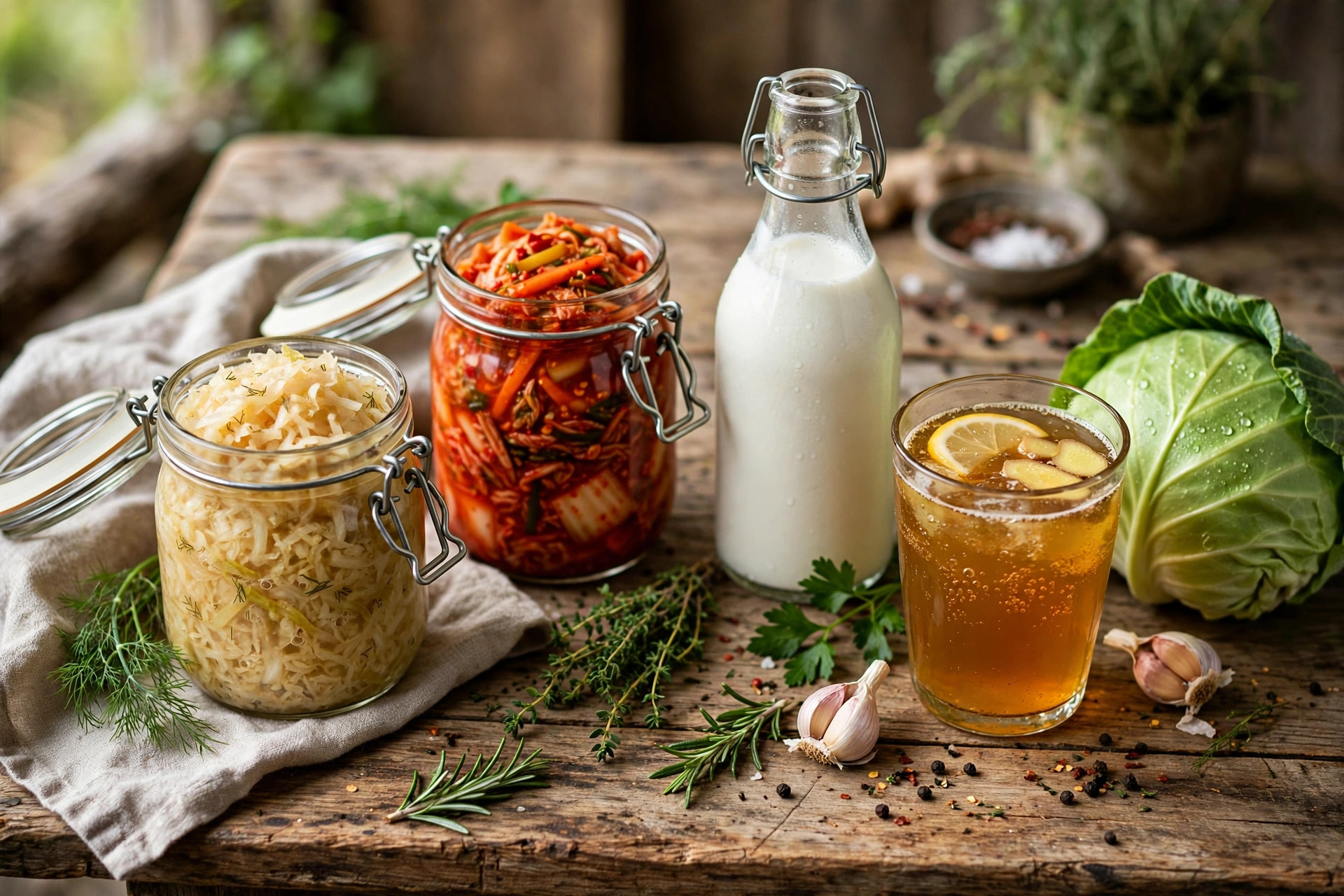
Fermented foods have been part of everyday eating for thousands of years, from sauerkraut in Europe to kimchi in Korea and kefir in the Caucasus. Today, research is catching up with tradition, and the evidence suggests these foods may be a simple, tasty way to support digestion and overall wellbeing.
What Are Fermented Foods?
Fermented foods are made when bacteria, yeasts or moulds feed on the natural sugars and starches in food, transforming it in the process. This is what gives sourdough its tang, turns cabbage into sauerkraut, and turns milk into yoghurt and kefir. Many fermented foods contain live microbes, often called probiotics, along with the useful compounds produced during fermentation.
It is worth knowing that not every fermented food still contains live cultures by the time you eat it. Heating, pasteurising and long storage can reduce or remove the live microbes, although the food may still offer fibre, vitamins and other fermentation byproducts.
Fermented Foods and Gut Health: What the Evidence Says
One of the clearest markers of a healthy gut is microbial diversity — a wide range of different bacteria living in the digestive tract. Eating a variety of fermented foods is one gentle way to support that diversity. A small Stanford study found that people who ate fermented foods daily for ten weeks showed lower levels of several inflammatory markers alongside a more diverse gut microbiome.
Pooled trials also suggest fermented foods may help digestion and bowel regularity, with more regular movements and fewer gut symptoms reported in several studies. The evidence is still early and mostly low-certainty, so it is best to see fermented foods as a supportive part of a varied diet rather than a remedy on their own.
The Best Fermented Foods to Try First
You do not need anything exotic to begin. These familiar options are widely available and easy to add to everyday meals:
Yoghurt and Kefir
Live-culture yoghurt and kefir are gentle starting points. A small serving with breakfast or as a snack is an easy habit, and a two-week trial found daily kefir increased several lactate-producing gut bacteria in healthy young adults.
Sauerkraut and Kimchi
A spoonful of unpasteurised sauerkraut or kimchi alongside a meal adds crunch, flavour and live cultures. Look for jars kept in the chilled section and labelled as containing live cultures.
Miso, Tempeh and Kombucha
Miso stirred into soups, tempeh in stir-fries, and a small glass of kombucha are other traditional choices. Keep portions modest at first and see how your digestion responds.
How to Add Fermented Foods Gently
Start small — a spoonful or two a day is plenty — and build up over a couple of weeks. Variety matters more than quantity: rotating a few different fermented foods supports a wider range of microbes than eating a lot of just one. Pair them with fibre-rich foods such as vegetables, beans and whole grains, which feed the good bacteria already in your gut. A little each day, as part of balanced meals, is the pattern most studies have tested.
A Few Sensible Cautions
Fermented foods are salty by nature, so people watching their salt intake should keep portions modest and check labels. If you have a weakened immune system, are pregnant, or live with a digestive condition, speak to your GP or a dietitian before making big changes. Anyone who notices persistent bloating or discomfort after introducing fermented foods should ease back and try a smaller amount.
Related reading on Organic Health Fix
- Jerusalem Artichoke Benefits: What the Evidence Really Says
- Daikon Benefits: What the Evidence Really Says
- Chokecherry Benefits: What the Evidence Really Says
Tags: #FermentedFoods #GutHealth #Probiotics #NaturalRemedies #WellnessTips #HealthyEating #Microbiome #Nutrition
Comments
Post a Comment