Opening a jar, carrying shopping, holding a handrail or turning a key can feel harder than it used to. Grip strength is part of everyday life, yet it is easy to overlook until simple tasks take more effort. The good news is that hands and forearms often respond well to gentle, regular practice. This guide looks at what the evidence suggests, with practical home-friendly ideas and sensible cautions. What grip strength benefits really mean Researchers often use grip strength as a simple marker of overall muscle function because it is easy to measure and reflects how well the hands and forearms work together. In studies of adults, stronger grip tends to sit alongside better mobility and an easier time with daily activities. That does not mean a hand exerciser can guarantee any particular health outcome. It does suggest that keeping the hands active is a worthwhile part of a balanced routine , alongside walking, leg strength and balance practice. Many people find the most noticeable ch...
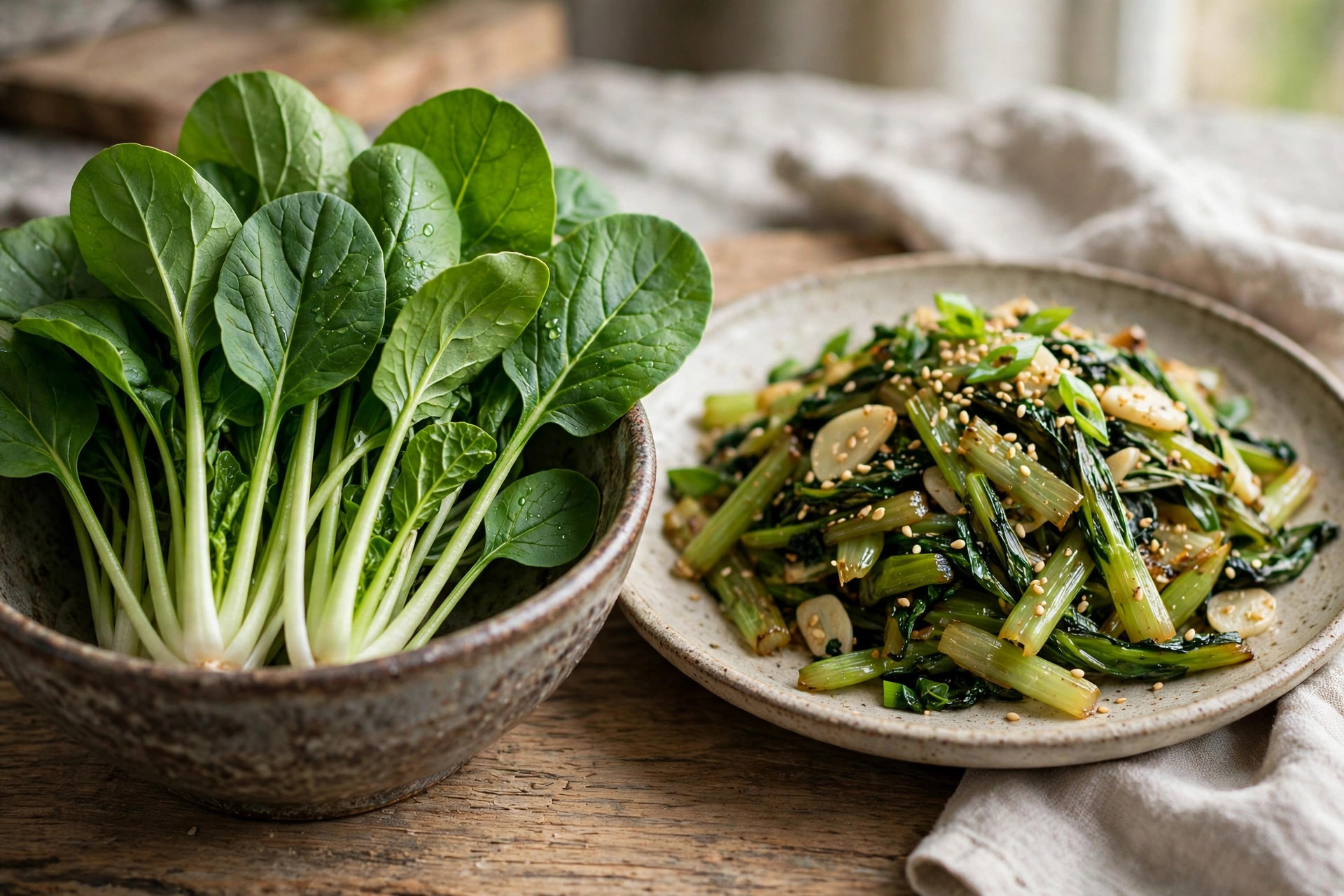
Komatsuna, also called Japanese mustard spinach, is a leafy green many people outside Japan are only just discovering. Despite the name, it is not a true spinach. It belongs to the brassica family, alongside mizuna, turnips and napa cabbage, and has been grown in Japan and Taiwan for generations. Its broad, deep-green leaves and pale stems have a fresh, sweet taste and a crunchy texture that holds up well in cooking.
So what does the evidence really say about komatsuna benefits? This guide looks at its nutrition, where research is most encouraging, and where claims run ahead of the data. As ever, this is general wellness information, not medical advice.
Komatsuna Benefits: The Nutrition in Brief
Komatsuna is low in calories — about 22 calories per 100 grams of raw leaves — yet unusually nutrient-dense. The same portion provides roughly 130 mg of vitamin C, 210 mg of calcium, 449 mg of potassium, 159 micrograms of folate, plus vitamin A, vitamin K, iron, manganese and 2.8 grams of dietary fibre. It also contains beta-carotene and lutein.
Its calcium content is often described as about three times that of spinach, together with relatively low oxalic acid. Oxalates can bind calcium and reduce absorption, so a calcium-rich green that is lower in oxalates interests nutrition researchers. Komatsuna also contains glucosinolates, the sulphur compounds typical of brassica vegetables, which remain an active area of study.
Where the Evidence Is Most Encouraging
Bones and everyday nutrition
Calcium and vitamin K play established roles in normal bone health, and vitamin C contributes to normal collagen formation. That makes komatsuna a sensible choice within a varied, balanced diet, especially for people who eat few dairy products. Many people find it an easy way to add leafy greens to meals without the bitterness of some other brassicas.
Gut comfort and fibre
With nearly 3 grams of fibre per 100 grams, komatsuna can contribute to normal bowel regularity as part of a fibre-rich diet. Its stems stay firm after simmering, so it works well in soups where softer greens would collapse. Traditionally, it is stir-fried, boiled, pickled or eaten fresh in salads.
Eyes and antioxidant intake
Beta-carotene, lutein and vitamin C are associated with normal eye function and protection of cells from oxidative stress. Cooking komatsuna with a little oil, or eating it alongside foods containing fats, can help absorption of its fat-soluble vitamins.
Simple Ways to Enjoy Komatsuna
Try it in a quick garlic stir-fry, wilted into miso soup at the last minute, or chopped raw into a salad with a sesame dressing. Its mild flavour pairs well with tofu, mushrooms, eggs and ginger. Wash the leaves well, trim the stem ends, and cook the stems for a minute longer than the leaves. Rotating komatsuna with mizuna, tatsoi and spinach is a gentle routine many people enjoy — variety is what the evidence consistently supports.
Sensible Cautions
Komatsuna is a food, not a treatment, and does not cure or prevent any condition on its own. Because it is rich in vitamin K, people taking blood-thinning medication such as warfarin are usually advised to keep vitamin K intake consistent and discuss leafy greens with their clinician. Moderate, varied portions are the sensible approach. If you have a medical condition or take regular medication, check with a qualified professional before making major dietary changes.
The honest summary is positive: komatsuna is a nutritious, versatile leafy green with an impressive calcium and vitamin profile, and it fits comfortably into a balanced, plant-rich way of eating.
Related reading on Organic Health Fix
- Mizuna Benefits: What the Evidence Really Says
- Tatsoi Benefits: What the Evidence Really Says
- Spinach Benefits: What the Evidence Really Says
Tags: #Komatsuna #LeafyGreens #NaturalRemedies #WellnessTips #Nutrition #GutHealth #HealthyEating
Comments
Post a Comment