Opening a jar, carrying shopping, holding a handrail or turning a key can feel harder than it used to. Grip strength is part of everyday life, yet it is easy to overlook until simple tasks take more effort. The good news is that hands and forearms often respond well to gentle, regular practice. This guide looks at what the evidence suggests, with practical home-friendly ideas and sensible cautions. What grip strength benefits really mean Researchers often use grip strength as a simple marker of overall muscle function because it is easy to measure and reflects how well the hands and forearms work together. In studies of adults, stronger grip tends to sit alongside better mobility and an easier time with daily activities. That does not mean a hand exerciser can guarantee any particular health outcome. It does suggest that keeping the hands active is a worthwhile part of a balanced routine , alongside walking, leg strength and balance practice. Many people find the most noticeable ch...
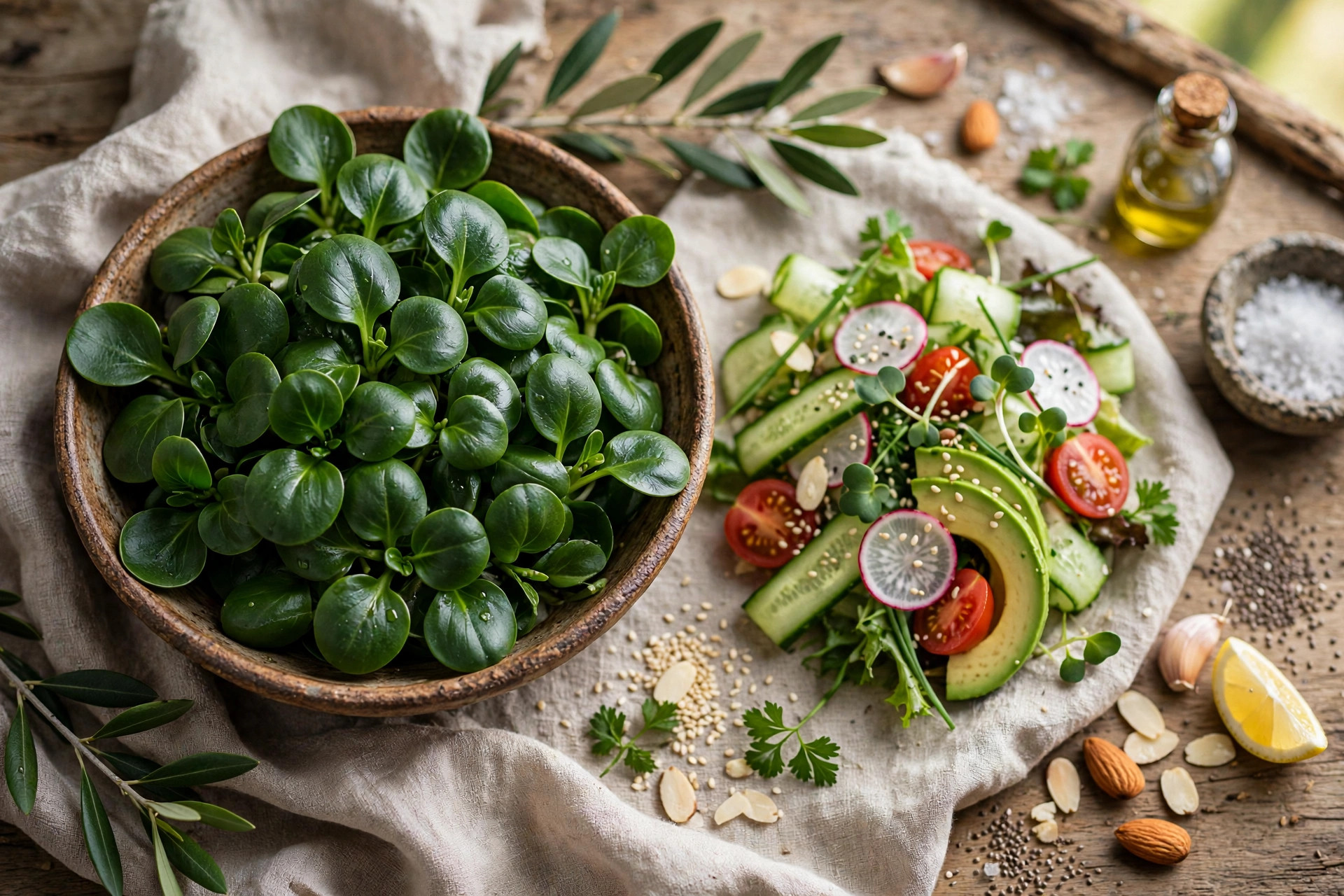
Tatsoi is a mild, spoon-leaved Asian green related to bok choy, often enjoyed raw in salads or lightly wilted in stir-fries. But what does the evidence really support? This guide looks at tatsoi benefits honestly, separating known nutrients from what has not yet been tested in people.
What tatsoi benefits can the evidence support?
Most knowledge about tatsoi comes from food tables and laboratory studies, not trials in people. Tatsoi clearly contains useful nutrients, but direct human evidence for specific effects is limited. View it as a nutritious leafy green within a varied diet, not a remedy.
Per 100 grams raw, Japanese food tables list about 13 calories, 1.9 grams of fibre, 120 milligrams of calcium, 430 milligrams of potassium, 31 milligrams of vitamin C, 65 micrograms of folate and 220 micrograms of vitamin K, plus beta-carotene and lutein.
Tatsoi nutrition: vitamin K, calcium and carotenoids
The standout nutrients are vitamin K, calcium, potassium and beta-carotene. Vitamin K supports normal blood clotting and bones, calcium helps maintain bones and teeth, potassium supports normal blood pressure, and vitamin C supports normal immune function. These nutrient roles do not mean tatsoi treats or prevents illness.
Like other brassicas, tatsoi contains glucosinolates and phenolics. Laboratory extract tests do not show what happens when someone eats a serving of leaves, and tatsoi-specific human trials are scarce, so claims should stay modest.
Raw or cooked?
Tatsoi is tender enough to eat raw, which preserves more vitamin C. Light cooking softens the stems and can make a larger portion easier to enjoy; vitamin K and calcium hold up reasonably well with boiling, while vitamin C and folate fall somewhat. Either way, a handful of leaves adds colour, fibre and micronutrients to meals.
Easy ways to enjoy tatsoi every day
Many people find tatsoi one of the easiest Asian greens to use because its flavour is mild. Try these simple ideas:
- Salads and grain bowls: toss young leaves with cucumber, herbs and a light citrus dressing.
- Quick stir-fries: add leaves in the last minute or two so they just wilt.
- Soups and noodles: stir through at the end for colour and freshness.
- Wraps and sandwiches: use whole leaves as a crisp, nutritious layer.
Choose leaves that look bright and firm, rinse them well, and store them in the fridge wrapped loosely so they stay fresh for a few days.
Sensible cautions to keep in mind
In normal food amounts tatsoi is generally considered safe. The main caution is its high vitamin K content: people taking warfarin are usually advised to keep vitamin K intake consistent and follow their clinician's guidance. This article is general information only, not medical advice.
Related reading on Organic Health Fix
- Mizuna Benefits: What the Evidence Really Says
- Radicchio Benefits: What the Evidence Really Says
- Lettuce Benefits: What the Evidence Really Says
Tags: #TatsoiBenefits #LeafyGreens #NaturalRemedies #WellnessTips #Nutrition #GutHealth #VitaminK
Comments
Post a Comment