Opening a jar, carrying shopping, holding a handrail or turning a key can feel harder than it used to. Grip strength is part of everyday life, yet it is easy to overlook until simple tasks take more effort. The good news is that hands and forearms often respond well to gentle, regular practice. This guide looks at what the evidence suggests, with practical home-friendly ideas and sensible cautions. What grip strength benefits really mean Researchers often use grip strength as a simple marker of overall muscle function because it is easy to measure and reflects how well the hands and forearms work together. In studies of adults, stronger grip tends to sit alongside better mobility and an easier time with daily activities. That does not mean a hand exerciser can guarantee any particular health outcome. It does suggest that keeping the hands active is a worthwhile part of a balanced routine , alongside walking, leg strength and balance practice. Many people find the most noticeable ch...
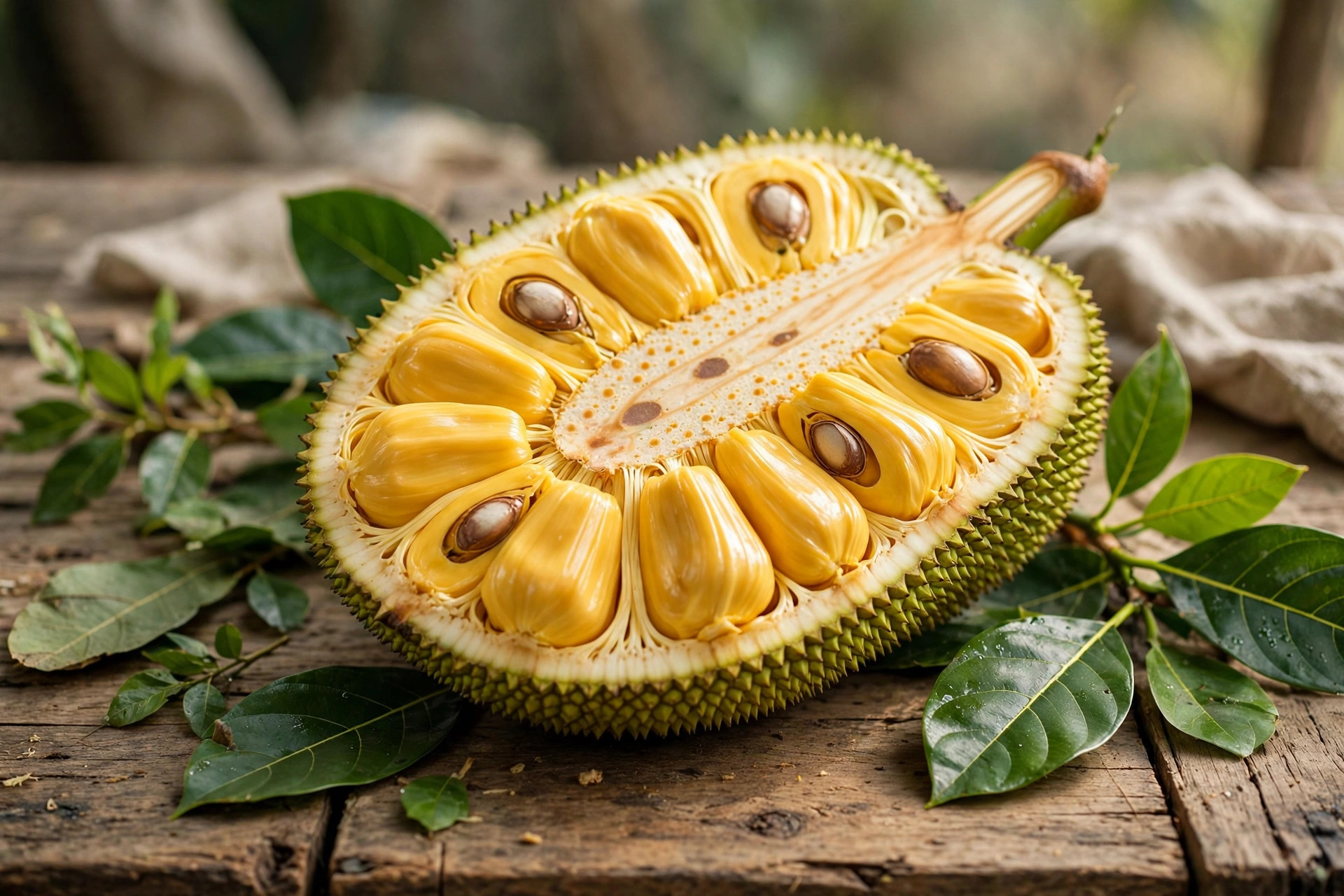
Jackfruit is the world's largest tree fruit, and in recent years it has moved from South Asian kitchens into supermarkets around the world. Its sweet, golden flesh is eaten ripe, while the young, unripe fruit is cooked as a savoury, meat-like ingredient. But beyond its versatility, what does the evidence actually say about jackfruit's health benefits? Here is a calm, honest look.
Jackfruit Nutrition: Fibre, Vitamin C and Potassium
A cup of raw, sliced jackfruit (about 165 grams) provides roughly 155 calories, 2.5 grams of fibre, around a quarter of the daily recommended value of vitamin C, and a useful amount of potassium, magnesium and copper. It is low in fat and naturally free of cholesterol. Its standout feature is the combination of fibre and potassium — two nutrients many people under-consume — alongside vitamin C, which supports normal immune function and collagen formation.
The seeds are edible too when cooked, and they contain more fibre than the flesh, plus protein and minerals. Roasted or boiled jackfruit seeds are a traditional snack in parts of India and South-East Asia.
Jackfruit and Gut Health
Jackfruit's fibre supports gut health in familiar ways: it adds bulk, helps keep digestion regular, and feeds the beneficial bacteria in the gut. Research on jackfruit pulp polysaccharides in animal studies has found they may support the gut lining and encourage short-chain fatty acid production. Human evidence is still limited, so the sensible reading is that jackfruit is a fibre-rich fruit that fits well into a gut-friendly diet, rather than a gut treatment on its own.
Many people find that pairing jackfruit with other fibre-rich foods — beans, oats and leafy greens — makes for a more satisfying, digestion-friendly meal. If you are new to jackfruit, start with a modest portion, as a sudden jump in fibre can cause temporary bloating.
Jackfruit, Blood Sugar and Heart Health
Jackfruit has a moderate glycaemic profile, and its fibre slows the digestion of its natural sugars. A 2021 randomised trial found that replacing some rice or wheat flour with green jackfruit flour improved blood sugar markers in people with type 2 diabetes who were already on medication. That does not make jackfruit a diabetes cure — the effect came from a specific flour swap within a managed diet — but it suggests the fruit can sit comfortably in a balanced, blood-sugar-aware eating pattern.
For heart health, the potassium in jackfruit helps counteract sodium and supports healthy blood pressure, while its fibre may help maintain healthy cholesterol levels. Animal studies on jackfruit seeds have shown favourable cholesterol changes, though human trials are needed before stronger claims can be made.
How to Enjoy Jackfruit at Home
Ripe jackfruit pods are sweet and fragrant — eat them fresh, add them to smoothies, or stir them into yoghurt and porridge. Canned young jackfruit in water or brine is the easiest starting point for savoury cooking: rinse it well, then simmer it in a spiced sauce until tender. Choose canned jackfruit in water or brine, not syrup, to keep added sugars down.
A few sensible cautions: jackfruit is related to figs and mulberries, so people with a latex or birch pollen allergy should try a small amount first. Those taking blood sugar medication should be aware that large portions of the ripe fruit contain natural sugars, and should check with their clinician if unsure.
Related reading on Organic Health Fix
- Rambutan Benefits: What the Evidence Really Says
- Mangosteen Benefits: What the Evidence Really Says
- Longan Benefits: What the Evidence Really Says
Tags: #Jackfruit #NaturalRemedies #GutHealth #Nutrition #WellnessTips #FruitBenefits #HealthyEating #OrganicHealthFix
Comments
Post a Comment