Opening a jar, carrying shopping, holding a handrail or turning a key can feel harder than it used to. Grip strength is part of everyday life, yet it is easy to overlook until simple tasks take more effort. The good news is that hands and forearms often respond well to gentle, regular practice. This guide looks at what the evidence suggests, with practical home-friendly ideas and sensible cautions. What grip strength benefits really mean Researchers often use grip strength as a simple marker of overall muscle function because it is easy to measure and reflects how well the hands and forearms work together. In studies of adults, stronger grip tends to sit alongside better mobility and an easier time with daily activities. That does not mean a hand exerciser can guarantee any particular health outcome. It does suggest that keeping the hands active is a worthwhile part of a balanced routine , alongside walking, leg strength and balance practice. Many people find the most noticeable ch...
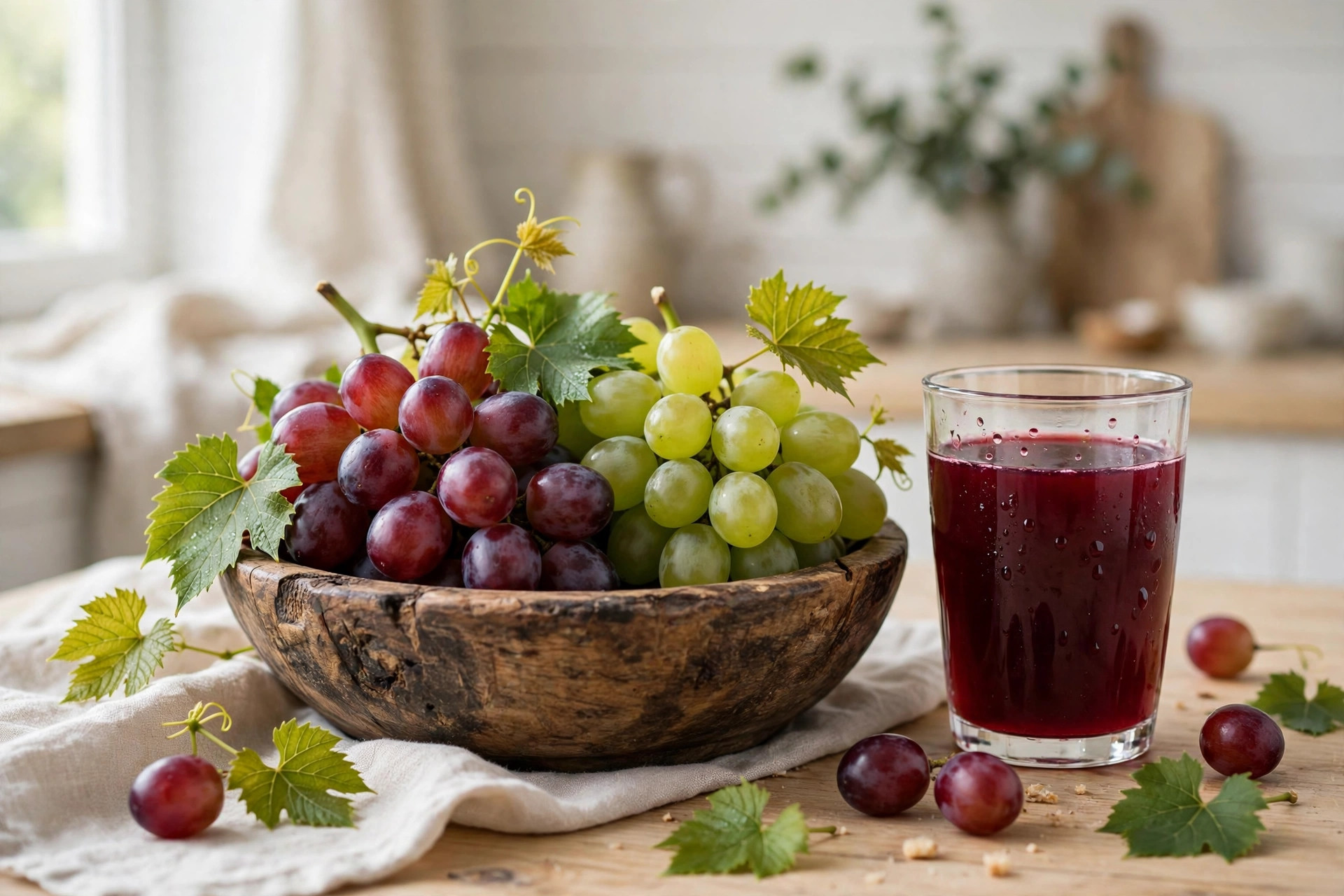
Grapes are one of the easiest fruits to love: sweet, juicy, and ready to eat straight from the bunch. Yet behind their simple charm sits a surprisingly rich nutritional profile. Many people reach for them as a snack without realising they are also eating one of the most studied fruits in nutrition research. So what do grapes really offer, and what does the evidence actually support?
What Makes Grapes Special?
Grapes provide vitamin C, vitamin K, potassium, and a modest amount of fibre, along with plenty of water — which helps explain why they feel so refreshing. Their real claim to fame, though, is their plant compounds. Dark grapes are rich in anthocyanins, the pigments that give them their deep colour, while grape skins contain resveratrol, a stilbene that has attracted years of research interest. Together with other polyphenols, these compounds give grapes their antioxidant reputation.
It is worth noting that most of the polyphenols sit in the skin, so eating whole grapes delivers far more of them than strained juice does. Red and black varieties tend to carry more of these compounds than green ones.
Grapes Benefits for Heart Health
Heart health is where the evidence for grapes is strongest. A 2026 review in the journal Nutrients pulled together 17 meta-analyses and systematic reviews plus 20 randomised controlled trials on grapes, blueberries, and their bioactive compounds. The authors found modest but consistent improvements in cardiovascular risk markers, particularly endothelial function — how well blood vessels relax and respond.
One analysis of 30 trials linked eating grapes with a reduction in systolic blood pressure of roughly 3 mmHg, while another found that grape polyphenols above 500 mg per day for at least 12 weeks were associated with significantly lower C-reactive protein, a marker of inflammation. These are encouraging findings, but the trials were mostly small and short, and they measured risk markers rather than actual heart attacks or strokes. Grapes look like a helpful part of a heart-friendly diet, not a treatment on their own.
Grapes and Gut Health
Grapes may also be kind to the gut. Their fibre supports regular digestion, while their polyphenols are partly broken down by gut microbes into bioactive metabolites. Eating a varied mix of fruit, vegetables, and whole grains remains the best-supported way to look after gut health, and grapes fit neatly into that pattern.
Skin, Eyes and Everyday Energy
The vitamin C in grapes supports normal collagen formation and helps protect cells from oxidative stress, which is why grapes often appear in conversations about skin health. Their water content helps with hydration, and their natural sugars, paired with fibre, make them a gentler pick-me-up than a biscuit or a sweetened drink.
How to Enjoy Grapes Well
A practical portion is about a cupped handful, roughly 150 grams. Wash grapes well before eating, and try them frozen on a warm day — they make a refreshing, sorbet-like treat. Pairing grapes with a small handful of nuts turns them into a more filling snack, and adding halved grapes to salads or yoghurt brings colour and sweetness without much effort.
A Few Sensible Cautions
Grapes are naturally sweet, so portions matter — especially for anyone watching blood sugar. Dried grapes (raisins) concentrate both the sugars and the calories, so a small handful goes further than you might expect. Concentrated grape-seed or resveratrol supplements are a different matter from eating the fruit, and their effects are not interchangeable with a bunch of grapes. If you take regular medication, it is sensible to ask a clinician before using concentrated extracts.
Related reading on Organic Health Fix
- Pomegranate Benefits: What the Evidence Really Says
- Strawberry Benefits: What the Evidence Really Says
- Black Tea Benefits: What the Evidence Really Says
Tags: #GrapesBenefits #HeartHealth #NaturalRemedies #WellnessTips #GutHealth #Resveratrol #HealthyEating #OrganicHealthFix
Comments
Post a Comment