Opening a jar, carrying shopping, holding a handrail or turning a key can feel harder than it used to. Grip strength is part of everyday life, yet it is easy to overlook until simple tasks take more effort. The good news is that hands and forearms often respond well to gentle, regular practice. This guide looks at what the evidence suggests, with practical home-friendly ideas and sensible cautions. What grip strength benefits really mean Researchers often use grip strength as a simple marker of overall muscle function because it is easy to measure and reflects how well the hands and forearms work together. In studies of adults, stronger grip tends to sit alongside better mobility and an easier time with daily activities. That does not mean a hand exerciser can guarantee any particular health outcome. It does suggest that keeping the hands active is a worthwhile part of a balanced routine , alongside walking, leg strength and balance practice. Many people find the most noticeable ch...
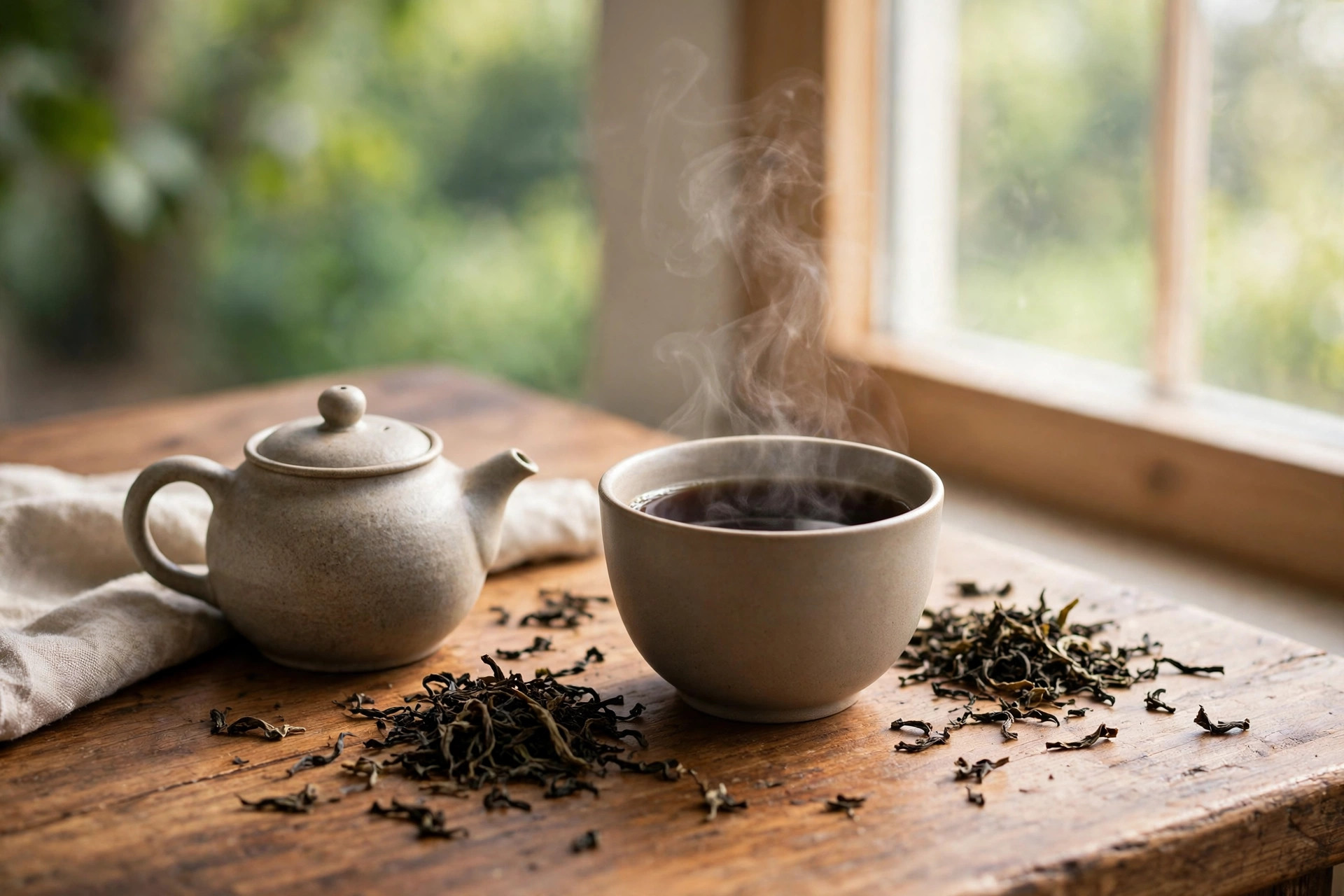
Black tea is the world's most widely drunk tea, from a strong morning mug of English Breakfast to a quiet afternoon Earl Grey. It comes from the same plant as green tea, Camellia sinensis, but the leaves are fully oxidised, giving it a deep colour and brisk flavour. The evidence is encouraging but modest: regular drinking is linked with several small, positive health patterns, and it works best as part of an overall healthy routine rather than as a remedy on its own.
Black Tea Benefits for Heart Health
The strongest evidence sits with the heart. A 2025 review of clinical trials found that regular black tea drinking was linked with better blood-vessel function, including improved flow-mediated dilation — how well arteries widen as blood flow rises. Researchers credit the tea's polyphenols, theaflavins and thearubigins formed during oxidation, which appear to support the vessel lining.
Large population studies agree: a UK Biobank analysis of almost half a million adults found that people drinking two or more cups of tea a day had a lower risk of death over about eleven years than non-drinkers. These are associations, not proof of cause, but the pattern has shown up across several large cohorts. A daily cup or two of unsweetened black tea is a reasonable, low-effort habit for heart health, though it is no substitute for not smoking, moving regularly and keeping blood pressure in check.
Focus, Alertness and Calm Energy
Many people reach for black tea when they want to feel awake without the jolt of coffee. A typical cup holds around 47 mg of caffeine — roughly half a cup of coffee — alongside L-theanine, an amino acid that smooths out the lift. Trials have linked black tea with improved attention and alertness: calm, steady energy rather than a sharp spike.
If you are sensitive to caffeine, timing matters most. A cup in the morning or early afternoon suits most people, while a strong cup late in the evening can disturb sleep. Try keeping your last cup at least six hours before bed.
Black Tea and Gut Health
Black tea polyphenols are only partly absorbed higher up; the rest reach the colon, where gut microbes get to work on them. The 2025 review noted that black tea appeared to encourage beneficial gut bacteria, including Flavonifractor plautii. Evidence on blood sugar and cholesterol has been mixed. Think of it as one friendly input among many for the gut — alongside fibre-rich and fermented foods — rather than a gut fix on its own.
How to brew a better cup
Good black tea needs little fuss. Use freshly boiled water, one teaspoon of loose leaf (or one bag) per cup, and steep for three to five minutes; longer steeps bring more briskness and caffeine. Drink it plain where you can. Its tannins can reduce iron absorption from plant foods, so waiting an hour after a meal is sensible if iron intake matters to you.
A Few Sensible Cautions
Black tea is a gentle drink, but a little care goes a long way. Very large amounts of caffeine can raise heart rate and anxiety, and anyone who is pregnant, takes medication or lives with a heart condition should keep intake moderate and ask their clinician if unsure. Strong tea on an empty stomach can feel harsh, so a small snack alongside it often helps. The evidence here applies to the drink itself, not to concentrated tea-extract supplements, where the rare safety concerns almost always sit.
Enjoyed plain, brewed well and drunk at sensible times of day, black tea is a simple pleasure with genuinely supportive evidence behind it — no cure, but a worthy place in the cupboard.
Related reading on Organic Health Fix
- Fermented Foods for Gut Health: What the Evidence Really Says
- Lemon Verbena Benefits: What the Evidence Really Says
- Walking After Meals Benefits: What the Evidence Really Says
Tags: #BlackTea #NaturalRemedies #WellnessTips #HeartHealth #GutHealth #HealthyHabits #TeaLovers
Comments
Post a Comment