Opening a jar, carrying shopping, holding a handrail or turning a key can feel harder than it used to. Grip strength is part of everyday life, yet it is easy to overlook until simple tasks take more effort. The good news is that hands and forearms often respond well to gentle, regular practice. This guide looks at what the evidence suggests, with practical home-friendly ideas and sensible cautions. What grip strength benefits really mean Researchers often use grip strength as a simple marker of overall muscle function because it is easy to measure and reflects how well the hands and forearms work together. In studies of adults, stronger grip tends to sit alongside better mobility and an easier time with daily activities. That does not mean a hand exerciser can guarantee any particular health outcome. It does suggest that keeping the hands active is a worthwhile part of a balanced routine , alongside walking, leg strength and balance practice. Many people find the most noticeable ch...
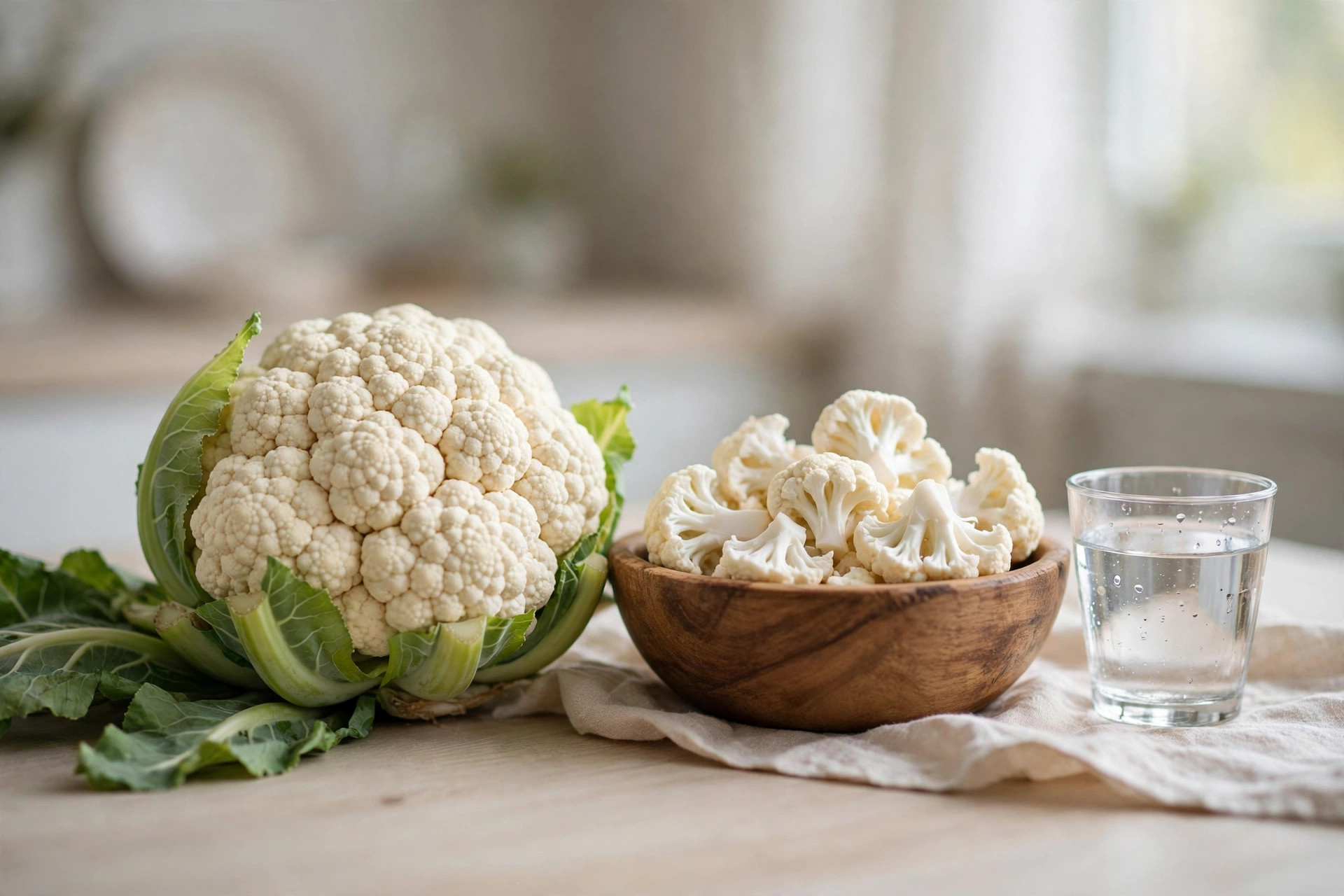
Cauliflower is the quiet achiever of the vegetable aisle. It rarely gets the praise heaped on kale or blueberries, yet this pale, mild-mannered brassica packs a surprising amount of nutrition into very few calories. One cup of raw cauliflower contains roughly 25 calories, around 2 grams of fibre, and close to half of an adult's daily vitamin C needs. So what does the evidence really say about cauliflower benefits, and where should we be careful not to overclaim? This guide works through what is in it, what the research supports, and how to enjoy it in everyday cooking.
What Is in Cauliflower?
Cauliflower belongs to the same family as broccoli, cabbage, kale and Brussels sprouts. Alongside vitamin C and fibre, a typical serving provides vitamin K, folate, choline and potassium, plus plant compounds called glucosinolates. When cauliflower is chopped or chewed, these convert into isothiocyanates such as sulforaphane, studied in laboratory research for antioxidant and cell-protective effects. Much of that work is still at the bench-science stage, and human studies are ongoing, but the nutrient profile itself is well established.
Cauliflower Benefits for Gut Health
Fibre is cauliflower's most practical contribution to everyday wellbeing. It supports regular bowel movements and feeds the beneficial bacteria in the gut, and research on cruciferous vegetables has linked regular intake with a more diverse gut microbiome. Cauliflower is a gentle way to raise fibre intake because it is mild in flavour and easy to add to soups, curries and roasts. One caution: cauliflower contains raffinose, a natural sugar that can ferment in the gut and cause gas or bloating, especially when eaten raw or in large portions. Cooking it well and increasing portions gradually usually helps.
Simple ways to add it
Try roasted florets with a little olive oil and cumin, cauliflower rice stirred through a curry, or florets blended into a warming winter soup. Steaming is a particularly good choice: research shows steaming preserves around 90% of cauliflower's glucosinolates, while boiling can leach nutrients into the cooking water.
Vitamin C and Immune Support
Vitamin C is one of cauliflower's strongest cards. A single cup provides more than half of the daily value, and vitamin C supports normal immune cell function and helps protect cells from oxidative stress. Eating cauliflower as part of a varied diet is a straightforward way to top up vitamin C in winter, when fresh produce choices narrow. It is not a shield against colds on its own, and no single food is, but a diet rich in vitamin-C foods is consistently associated with better overall health.
Heart Health and Weight
Cauliflower's combination of fibre, potassium and antioxidants fits neatly into a heart-friendly eating pattern. Fibre helps maintain healthy cholesterol levels, while potassium supports normal blood pressure. At around 25 calories a cup, cauliflower is also useful for anyone watching their weight: it adds bulk and satisfaction to a plate without adding many calories. Swapping half the rice in a dish for cauliflower rice, or blending cauliflower into mashed potato, are easy ways to lighten a meal.
Who Should Be Careful?
For most people, cauliflower is an easy, everyday food. A few groups should take a little care. People with irritable bowel syndrome may find it triggers symptoms because it contains moderate levels of FODMAPs; cooking it well and keeping portions modest often makes it easier to tolerate. Cauliflower also contains goitrogens, which can interfere with iodine uptake, but this mainly concerns people with existing thyroid conditions eating large quantities of raw cruciferous vegetables. Moderate amounts of cooked cauliflower, one to two cups a day, are considered fine for people with healthy thyroid function. Anyone with a medical condition should speak to their clinician or a dietitian before making major changes to their diet.
Related reading on Organic Health Fix
- Celeriac Benefits: What the Evidence Really Says
- Carrots Benefits: What the Evidence Really Says
- Kefir Benefits: What the Evidence Really Says
Tags: #CauliflowerBenefits #GutHealth #VitaminC #NaturalRemedies #WellnessTips #SeasonalEating #HealthyEating #Fibre
Comments
Post a Comment