Opening a jar, carrying shopping, holding a handrail or turning a key can feel harder than it used to. Grip strength is part of everyday life, yet it is easy to overlook until simple tasks take more effort. The good news is that hands and forearms often respond well to gentle, regular practice. This guide looks at what the evidence suggests, with practical home-friendly ideas and sensible cautions. What grip strength benefits really mean Researchers often use grip strength as a simple marker of overall muscle function because it is easy to measure and reflects how well the hands and forearms work together. In studies of adults, stronger grip tends to sit alongside better mobility and an easier time with daily activities. That does not mean a hand exerciser can guarantee any particular health outcome. It does suggest that keeping the hands active is a worthwhile part of a balanced routine , alongside walking, leg strength and balance practice. Many people find the most noticeable ch...
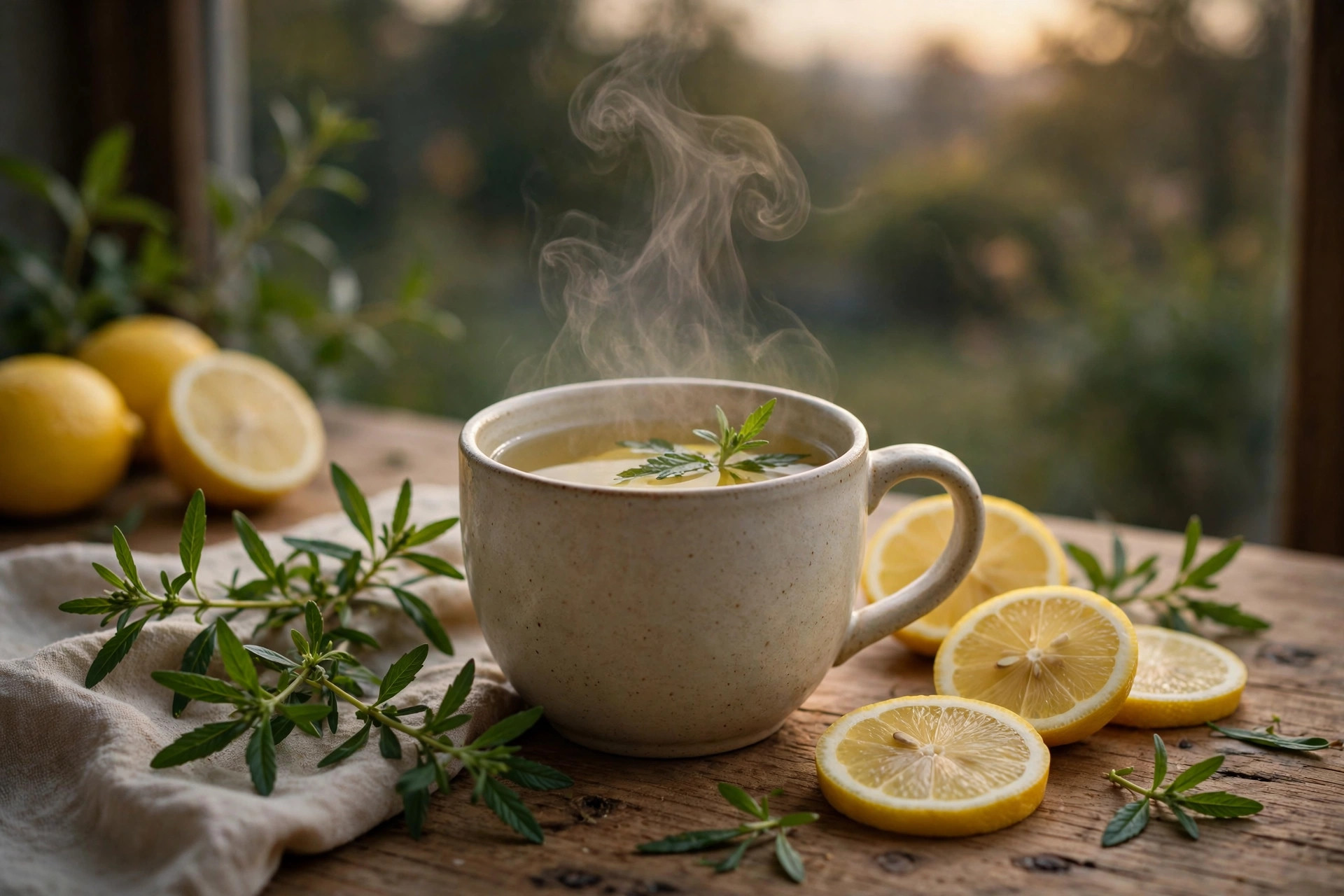
Lemon verbena is one of those lovely herbs that many people reach for at the end of a long day. With its bright, citrusy scent and gentle lemon flavour, it makes a soothing cup of tea — and a small but growing body of research suggests it may do a little more than taste pleasant.
What Is Lemon Verbena?
Lemon verbena (Aloysia citrodora) is a lemon-scented shrub native to South America, now widely grown around the Mediterranean and in herb gardens elsewhere. Its leaves are rich in polyphenols, especially a compound called verbascoside, credited with much of the plant's antioxidant activity. Traditionally, the leaves have been brewed as a tea to calm the nerves, settle the stomach and support restful sleep.
Lemon Verbena Benefits for Calm and Sleep
This is where lemon verbena has both its longest tradition and its most encouraging human evidence. Europe's medicines regulator recognises lemon verbena leaf as a traditional herbal remedy for relief of mild symptoms of mental stress and to aid sleep. Small trials point the same way: in a randomised, double-blind study of 100 people with insomnia, a lemon verbena preparation taken before bed for four weeks improved sleep-quality scores significantly more than a placebo, and a 2024 trial in 71 adults with sleep problems found similar gains over three months.
The honest takeaway is modest but real: these are small, mostly short studies, several using concentrated extracts rather than a simple mug of tea. Lemon verbena looks like a reasonable part of a calming evening routine, not a treatment for a diagnosed anxiety disorder or chronic insomnia. Many people find that the ritual itself helps — a warm, caffeine-free drink, a quiet half-hour, and no screens — and lemon verbena fits that routine beautifully.
Lemon Verbena and Digestion
Lemon verbena has long been used after meals, and herbalists describe it as antispasmodic and stomachic — in plain terms, it may help relax the gut. Traditionally it has been drunk for stomach ache, indigestion, bloating and flatulence, and many people still reach for it after a heavy meal. The human evidence here is thinner than for sleep, resting mostly on traditional use and laboratory studies, so it is best viewed as a gentle digestive comfort rather than a proven remedy.
How to Make Lemon Verbena Tea at Home
Brewing lemon verbena tea could hardly be simpler. Use a small handful of fresh leaves, or a teaspoon of dried leaves, per mug. Pour over just-boiled water, cover, and leave to steep for five to ten minutes, then strain. Drink it plain, or with a little honey if you prefer. For an evening cup, try it about an hour before bed.
A few practical tips: dried leaves keep well in a sealed jar for months. If you grow the plant, pick leaves in the morning when their scent is strongest.
Safety and Sensible Cautions
Lemon verbena tea in ordinary amounts is generally considered a low-risk herbal drink for most adults, but a few cautions are worth noting. Avoid it if you are pregnant or breastfeeding, as it has not been studied in these groups. If you take regular medication, or you live with a health condition, check with your pharmacist or GP before using concentrated lemon verbena extracts or supplements — the studied doses are far stronger than a cup of tea. And if poor sleep or persistent digestive troubles continue, speak to a healthcare professional rather than relying on any single herb.
Used simply, as a fragrant evening tea, it is a small pleasure with a genuinely interesting evidence story behind it.
Related reading on Organic Health Fix
- Magnesium for Sleep: What the Evidence Really Says
- Tart Cherry Juice for Sleep: What the Evidence Really Says
- Lemon Benefits: What the Evidence Really Says
Tags: #LemonVerbena #HerbalTea #NaturalRemedies #SleepTips #WellnessTips #GutHealth #CalmEvenings #OrganicHealthFix
Comments
Post a Comment