Opening a jar, carrying shopping, holding a handrail or turning a key can feel harder than it used to. Grip strength is part of everyday life, yet it is easy to overlook until simple tasks take more effort. The good news is that hands and forearms often respond well to gentle, regular practice. This guide looks at what the evidence suggests, with practical home-friendly ideas and sensible cautions. What grip strength benefits really mean Researchers often use grip strength as a simple marker of overall muscle function because it is easy to measure and reflects how well the hands and forearms work together. In studies of adults, stronger grip tends to sit alongside better mobility and an easier time with daily activities. That does not mean a hand exerciser can guarantee any particular health outcome. It does suggest that keeping the hands active is a worthwhile part of a balanced routine , alongside walking, leg strength and balance practice. Many people find the most noticeable ch...
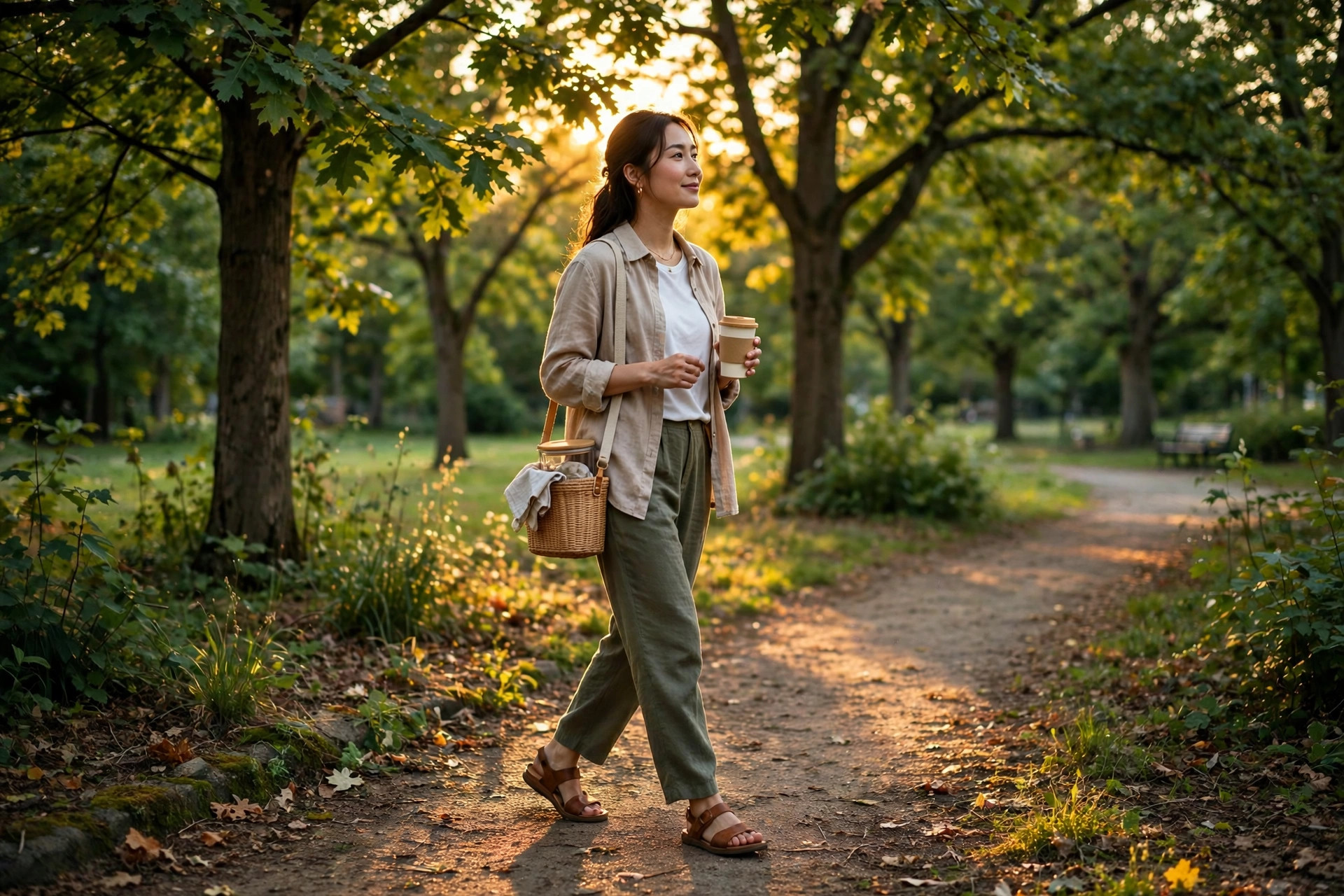
A short, gentle walk after eating is one of the simplest wellness habits there is — no equipment, no gym, no cost. In many cultures it has been a mealtime tradition for generations, and modern research is now catching up with what our grandparents seemed to know instinctively.
What Happens When You Walk After Eating?
After a meal, your body directs blood flow and energy towards digestion. A gentle walk supports that process: the light movement of the legs helps the muscles use up some of the glucose entering the bloodstream, and the rhythmic motion may help the stomach empty a little more smoothly.
The key word is gentle. A slow to moderate stroll is what the studies support; a brisk march straight after a large meal can feel uncomfortable and may work against the very comfort you are seeking.
Walking After Meals and Blood Sugar
The best-studied benefit of post-meal walking is its effect on blood sugar. Several small trials have found that walking for as little as 10 to 15 minutes after eating leads to lower blood-glucose rises than sitting still. One well-known study found that three 15-minute walks after meals lowered blood sugar more effectively across the day than a single 45-minute walk in the morning.
This matters because sharp rises and falls in blood sugar after meals are linked with afternoon tiredness and cravings. A short walk will not replace a balanced diet or any treatment a doctor has advised, but as an everyday habit it is a sensible way to support steadier energy.
How long should you walk?
Most studies used 10 to 15 minutes at an easy pace. Even two to five minutes of gentle movement after a meal showed a measurable difference in one review of the evidence, so a very short stroll still counts. Start with whatever fits your day — a lap around the garden, a walk to the end of the street and back — and build up gradually.
Digestion and Comfort
Many people find that a gentle walk eases the heavy, sluggish feeling that sometimes follows a big meal. Light movement can help reduce bloating and that post-lunch drowsiness, partly by keeping you upright and moving rather than slumped in a chair.
If you often feel uncomfortably full, try walking before reaching for a second helping or a sweet snack; the movement and the change of scene often settle the urge on their own.
Walking After Meals and Sleep
An evening walk after dinner can also support a calmer wind-down. Gentle movement in the early evening, especially outdoors in fading daylight, helps the body register the shift from day to night. Many people find they fall asleep more easily on days when they have taken an after-dinner stroll.
Keep the pace easy and the timing relaxed — a stroll, not a workout — so the walk feels restful rather than stimulating.
How to Make It a Habit
Anchor it to meals: put your shoes by the door and head out as soon as you have cleared the table, before the sofa calls.
Keep it short: ten minutes is enough to count. A shorter walk you actually do beats a longer one you keep postponing.
Bring someone along: a partner, a friend or a dog turns the walk into a pleasant daily ritual rather than a chore.
Use the weather: in rain or cold, a few laps around the house or a hallway walk still gives you the movement — the habit matters more than the scenery.
Gentle Cautions
Walking after meals is safe for most people, but a few cautions are worth noting. If you have diabetes or take medication that affects blood sugar, talk to your doctor about how post-meal activity fits your plan. Anyone with reflux may find that walking too soon after a very large meal worsens heartburn — waiting 15 to 30 minutes can help.
Related reading on Organic Health Fix
- Galangal Benefits: What the Evidence Really Says
- Mace Benefits: What the Evidence Really Says
- Lovage Benefits: What the Evidence Really Says
Tags: #WalkingAfterMeals #NaturalRemedies #WellnessTips #Digestion #GutHealth #GentleExercise #HealthyLiving #OrganicHealthFix
Comments
Post a Comment