Opening a jar, carrying shopping, holding a handrail or turning a key can feel harder than it used to. Grip strength is part of everyday life, yet it is easy to overlook until simple tasks take more effort. The good news is that hands and forearms often respond well to gentle, regular practice. This guide looks at what the evidence suggests, with practical home-friendly ideas and sensible cautions. What grip strength benefits really mean Researchers often use grip strength as a simple marker of overall muscle function because it is easy to measure and reflects how well the hands and forearms work together. In studies of adults, stronger grip tends to sit alongside better mobility and an easier time with daily activities. That does not mean a hand exerciser can guarantee any particular health outcome. It does suggest that keeping the hands active is a worthwhile part of a balanced routine , alongside walking, leg strength and balance practice. Many people find the most noticeable ch...
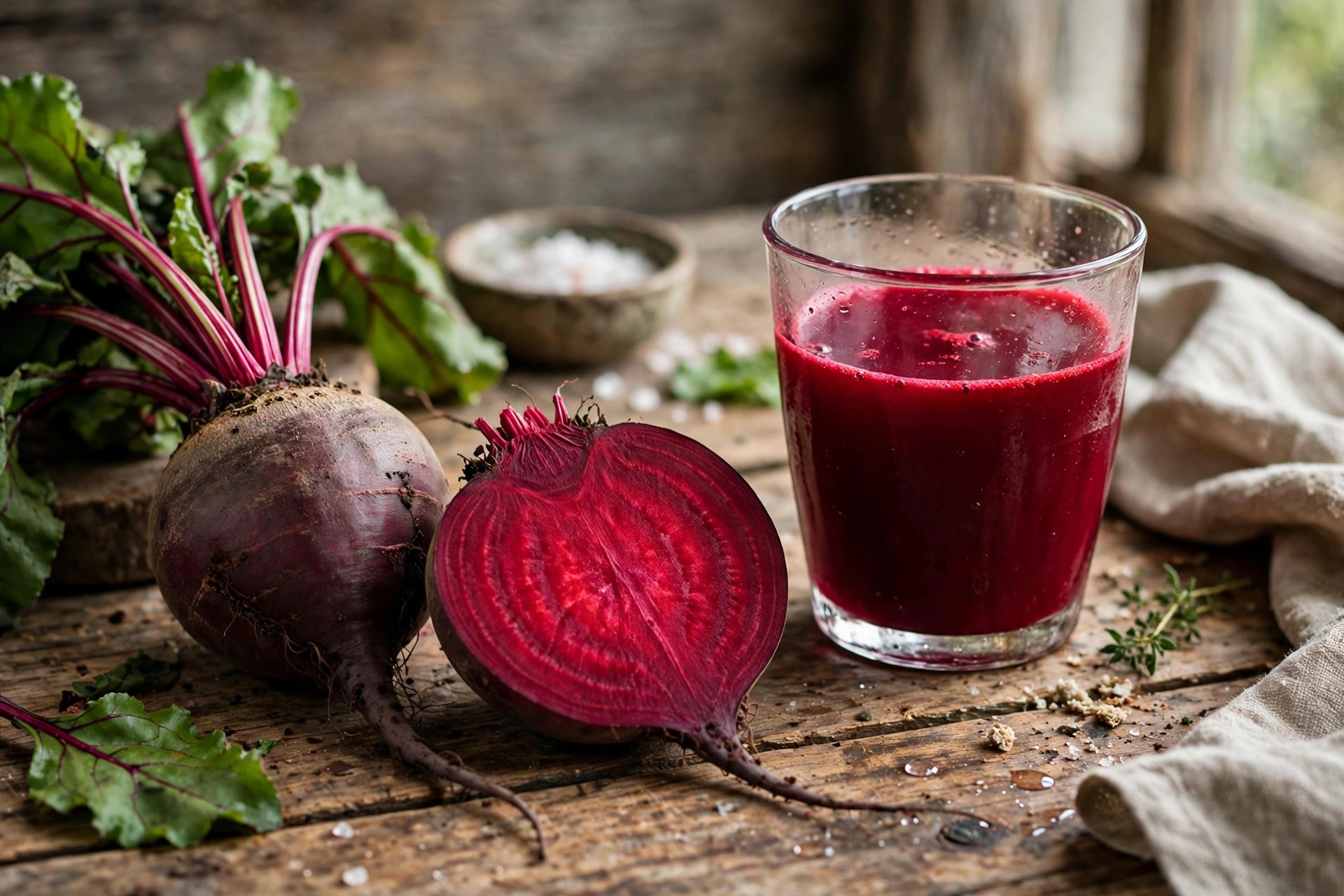
Beetroot has gone from a humble root vegetable to a familiar face in juice bars and sports nutrition, and the reason is simple: it is one of the richest natural sources of dietary nitrate. Fans claim it lowers blood pressure, boosts stamina and sharpens the mind. But what does the evidence actually say about beetroot benefits, and how much of its reputation rests on solid human trials? This guide separates what is known from what is merely hoped for.
What Is Beetroot?
Beetroot is the taproot of Beta vulgaris, the same plant family that gives us chard and sugar beet. Its deep ruby colour comes from betalains, plant pigments with antioxidant activity, and a typical serving also brings folate, manganese, potassium and fibre. It is the nitrate content, though, that has drawn most of the scientific attention. After beetroot is eaten, bacteria on the tongue convert its nitrates into nitrite, which the body then turns into nitric oxide — a signalling molecule that helps blood vessels relax and widen.
Beetroot Benefits for Blood Pressure
The blood pressure evidence is the strongest part of the beetroot story. In a British Heart Foundation-funded trial published in Hypertension, 68 adults with high blood pressure drank 250 ml of beetroot juice daily for four weeks. Clinic blood pressure fell by 7.7/2.4 mmHg, and the lining of the blood vessels worked about 20 per cent better. Meta-analyses of randomised trials point the same way, finding a reduction in systolic blood pressure of roughly 5 mmHg in people with hypertension, though the same clear effect was not found for diastolic pressure. That is a modest change, and blood pressure crept back to its previous level within two weeks of stopping — any effect depends on keeping the habit up. Beetroot juice is not a replacement for prescribed medication, and anyone being treated for high or low blood pressure should speak to their doctor before using concentrated beetroot juice to influence their readings.
Beetroot and Exercise Performance
For exercise, the picture is encouraging but smaller. A systematic review and meta-analysis of 123 studies and 1,705 participants found that dietary nitrate improved exercise performance overall, with beetroot juice appearing particularly effective. In practical terms, the gains are modest — typically 2 to 3 per cent in time trials — and they show up most clearly in endurance efforts lasting roughly two to ten minutes. Reviews suggest taking beetroot juice at least 150 minutes before exercise works best, and some elite athletes see little or no benefit. Still, for recreational runners and cyclists, it is one of the few food-based strategies with genuine trial support.
How to enjoy beetroot
Roasting brings out beetroot's natural sweetness, and it works well grated raw into salads, blended into smoothies or stirred into soups. A small glass of beetroot juice (around 250 ml) is the form used in most trials.
What Beetroot Probably Does Not Do
Claims about beetroot and brain health, detoxing or cancer prevention run well ahead of the evidence. Reviews of trials in older adults describe the evidence for cognitive benefits as too small and inconsistent to support real claims, and no single food can detox the body — that is the liver's job. Beetroot is best seen as a nutritious, nitrate-rich vegetable with two genuinely supported uses, rather than a cure-all.
Who Should Be Careful
Beetroot is a normal food for most people, but a few cautions are worth knowing. It can turn urine and stools a harmless pink-red colour, known as beeturia. Beetroot is also high in oxalates, so people prone to kidney stones should keep portions modest. And because it may lower blood pressure, anyone on blood pressure medication should check with their doctor first.
The honest verdict is a positive one, with limits. Beetroot offers a real, if modest, benefit for blood pressure and exercise endurance, backed by human trials — and it is a colourful, versatile vegetable in its own right. Enjoy it as food, keep expectations realistic, and let the evidence, not the hype, guide how much you expect from it.
Related reading on Organic Health Fix
- Tart Cherry Juice for Sleep: What the Evidence Really Says
- Quinoa Benefits: What the Evidence Really Says
- Chia Seeds Benefits: What the Evidence Really Says
Tags: #Beetroot #BeetrootBenefits #NaturalRemedies #HeartHealth #WellnessTips #Nutrition #EvidenceBased #HealthyEating
Comments
Post a Comment