Opening a jar, carrying shopping, holding a handrail or turning a key can feel harder than it used to. Grip strength is part of everyday life, yet it is easy to overlook until simple tasks take more effort. The good news is that hands and forearms often respond well to gentle, regular practice. This guide looks at what the evidence suggests, with practical home-friendly ideas and sensible cautions. What grip strength benefits really mean Researchers often use grip strength as a simple marker of overall muscle function because it is easy to measure and reflects how well the hands and forearms work together. In studies of adults, stronger grip tends to sit alongside better mobility and an easier time with daily activities. That does not mean a hand exerciser can guarantee any particular health outcome. It does suggest that keeping the hands active is a worthwhile part of a balanced routine , alongside walking, leg strength and balance practice. Many people find the most noticeable ch...
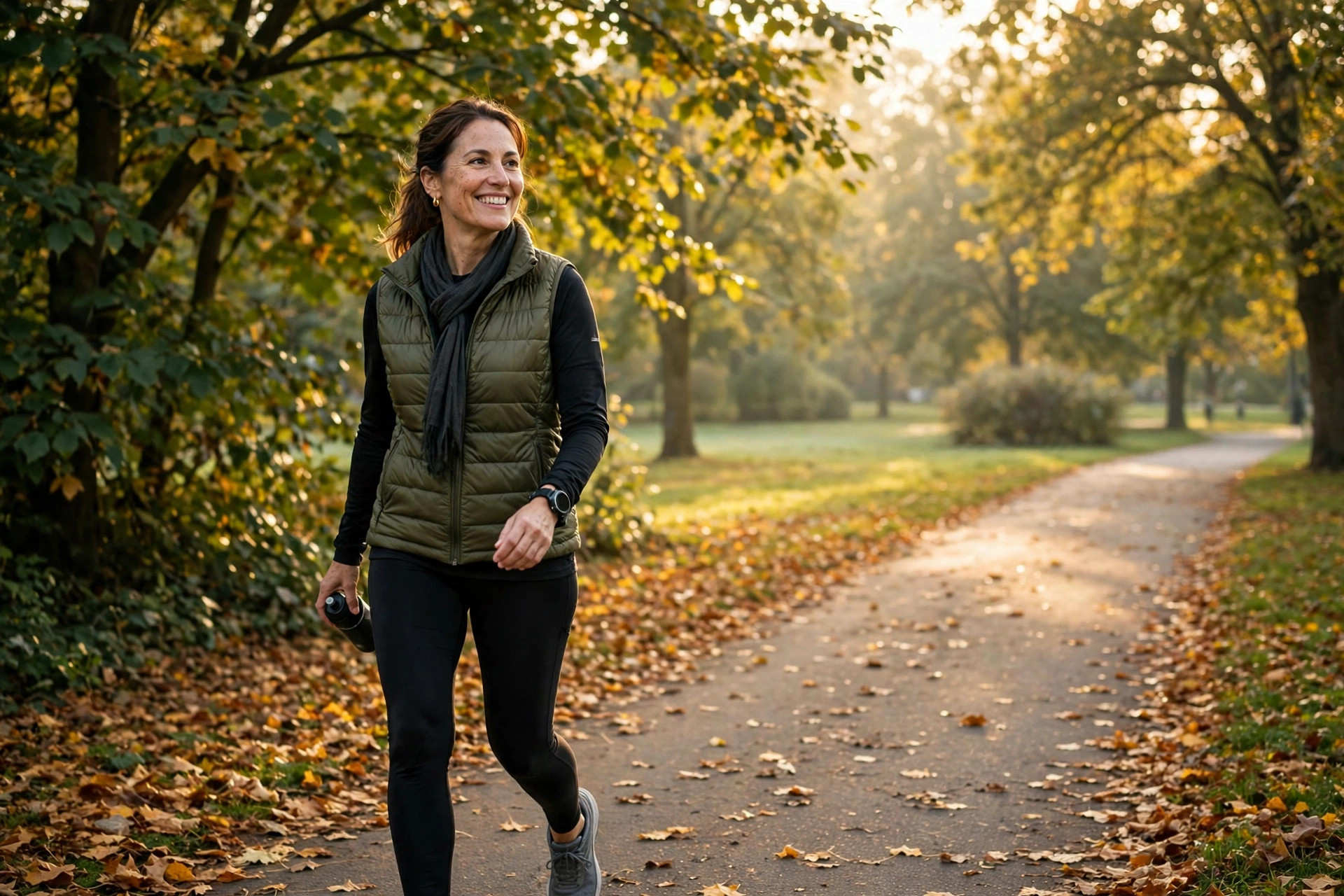
Walking is the most accessible form of movement most of us have, and the research behind it is strong. You need no gym membership, no special kit beyond comfortable shoes, and no training plan. Research suggests people who walk more tend to live longer, feel better and sleep more soundly. Here is what the evidence really says, and how to make walking a gentle part of your routine.
Walking Benefits for Heart Health
The heart is where the evidence for walking is strongest. A large 2025 analysis of daily steps, published in The Lancet Public Health, found that walking around 7,000 steps a day was associated with a 25% lower risk of cardiovascular disease compared with 2,000 steps. A Cochrane review also found that regular walking lowered systolic blood pressure by about 4 mmHg on average. These are associations, not guarantees, but the pattern is consistent: people who walk more tend to have healthier hearts.
Brisk walking counts as moderate-intensity activity, so thirty minutes on five days a week reaches the recommended 150 minutes of weekly activity. Shorter walks still count: three ten-minute walks through the day add up to the same total.
Walking and Mood: A Gentle Lift
Many people notice their mood lift before a twenty-minute walk is over, and the research backs up that feeling. A 2024 meta-analysis of 75 trials found that walking reduced symptoms of low mood compared with doing nothing, with the greatest improvements in people who felt low to begin with.
Walking can also be social: a regular walk with a friend turns exercise into conversation, which makes it easier to stick with. Consistency matters far more than speed or distance, so choose a pace and a route you actually enjoy.
A simple way to start
Begin with ten minutes a day at a comfortable pace, then add five minutes each week until you reach thirty. A short walk after meals is an easy habit to build, and many people find it steadies their energy through the afternoon.
Walking, Sleep and Everyday Energy
Better sleep is another benefit many walkers report. A 2026 analysis of 21 trials found that walking was linked to better self-rated sleep quality, especially in people whose sleep was poor to begin with. The evidence certainty was rated very low, so treat this as encouraging rather than proven — though daytime movement is widely recognised as part of healthy sleep habits.
Walking may also support steadier blood sugar. The same 2025 step-count analysis found that 7,000 steps a day was associated with a 14% lower risk of type 2 diabetes compared with 2,000 steps. Again, these are population patterns, not promises — yet they point the same way: moving more, gently and often, supports the body in many small ways.
How Many Steps Do You Really Need?
The famous 10,000-step target did not come from science at all. It began as a Japanese pedometer campaign in the 1960s. Modern research suggests benefits level off much earlier: around 5,000 to 7,000 steps a day for most outcomes, and 6,000 to 8,000 for adults over sixty. Every extra thousand steps helps, especially if you currently walk very little, so the best target is simply a little more than you do now.
A few sensible cautions apply: wear supportive shoes, build up gradually if you have been inactive, and take care on uneven ground. Anyone with a heart condition, joint problems or another health concern should talk to their doctor before starting a new exercise routine.
Walking asks so little and gives so much: a daily walk supports your heart, lifts your mood, may help you sleep better and gets you into the daylight. Start small, walk often, and let the habit grow.
Related reading on Organic Health Fix
- Rosehip Benefits: What the Evidence Really Says
- Acai Berry Benefits: What the Evidence Really Says
- Apricots Benefits: What the Evidence Really Says
Tags: #WalkingBenefits #DailyWalking #HeartHealth #NaturalWellness #SleepTips #GentleExercise #HealthyHabits #WellnessTips
Comments
Post a Comment