Opening a jar, carrying shopping, holding a handrail or turning a key can feel harder than it used to. Grip strength is part of everyday life, yet it is easy to overlook until simple tasks take more effort. The good news is that hands and forearms often respond well to gentle, regular practice. This guide looks at what the evidence suggests, with practical home-friendly ideas and sensible cautions. What grip strength benefits really mean Researchers often use grip strength as a simple marker of overall muscle function because it is easy to measure and reflects how well the hands and forearms work together. In studies of adults, stronger grip tends to sit alongside better mobility and an easier time with daily activities. That does not mean a hand exerciser can guarantee any particular health outcome. It does suggest that keeping the hands active is a worthwhile part of a balanced routine , alongside walking, leg strength and balance practice. Many people find the most noticeable ch...
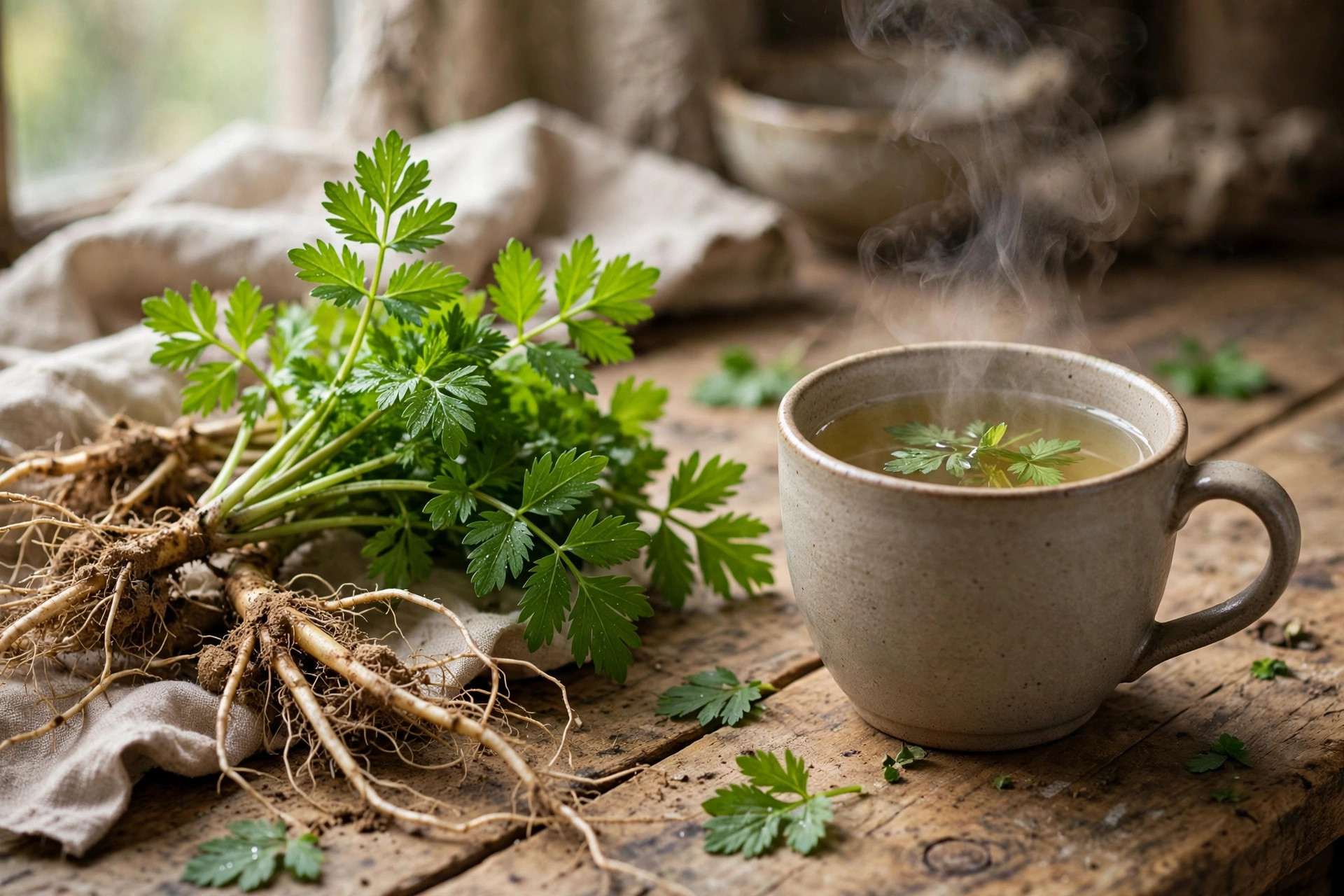
Lovage is one of the great forgotten herbs of the European kitchen. It grows tall in cottage gardens, tastes like celery turned up several notches, and for centuries it flavoured soups, stews and roast meats. Its root has even been formally reviewed by European medicines regulators. So what do lovage benefits actually amount to, and where does the evidence run out?
What Is Lovage?
Lovage (Levisticum officinale) is a tall perennial in the carrot family, Apiaceae, the same botanical clan as celery, parsley, dill and fennel. Its leaves taste strongly of celery with a sweeter, faintly aniseed edge, and its hollow stems were once chewed by the ancient Greeks to settle the stomach. In Austria and Germany it is still known above all as a soup herb, while the dried root has its own monograph in the European Pharmacopoeia.
Lovage Benefits: What the Evidence Really Says
The honest picture is that lovage has one formally recognised traditional use, a long folk record for digestion, and a good deal of laboratory chemistry — but almost no controlled human trials of the herb on its own.
Digestion and trapped wind
Lovage has been used for over 500 years as a carminative, a substance that helps relieve gas, bloating and digestive discomfort. Its volatile oils encourage blood flow to the gut lining, and the phthalide compound ligustilide relaxes smooth muscle in laboratory and animal models, which may ease the spasms behind colicky wind. Even so, Drugs.com notes plainly that there are no clinical trials to support the digestive uses, so this remains traditional knowledge rather than proven effect.
Urinary flushing and minor urinary complaints
This is the area with the strongest formal backing. In 2012 the European Medicines Agency adopted lovage root tea as a traditional herbal medicine used to increase urine output and flush the urinary tract as an adjunct in minor urinary complaints. Germany's Commission E had already given it a positive assessment in 1990 for the same flushing purpose. The classification rests on long-standing use rather than trial results, and it covers the root tea only, not the culinary leaves. Lovage is not a treatment for urinary infections and it does not dissolve kidney stones.
The Compounds Behind the Claims
Lovage contains roughly 2% volatile oil, and that oil is where most of the activity lives. Its phthalides, above all Z-ligustilide, have relaxed isolated gut and blood-vessel muscle in laboratory studies. The essential oil has also shown antibacterial activity in test-tube studies, and lovage contains furanocoumarins, the compounds behind its photosensitivity risk. These effects were measured in extracts at concentrations far above a pinch of leaves in soup, so the culinary herb should be valued as part of a varied diet, not as a medicine.
How to Use Lovage in Everyday Cooking
The leaves are the easiest place to start. Chop them into soups, stews, stocks and potato dishes the way you would celery leaves, or stir them into a bean stew for a deep savoury note. A traditional preparation is lovage root tea: decoct 2 to 3 g of the dried root in a closed cup of water for 15 to 20 minutes, traditionally taken up to three times a day. Because the flavour is bold, a little goes a long way — a small handful of leaves is usually enough for a pot of soup serving four.
Who Should Be Careful with Lovage?
Lovage is safe for most people in the amounts normally used in cooking, but a few cautions are worth knowing. The furanocoumarins can make skin more sensitive to sunlight, so handling large amounts of the fresh plant or its essential oil in strong sun can cause dermatitis. Lovage root may increase the risk of bleeding in people taking anticoagulants such as warfarin, so anyone on blood-thinning medication should check with their clinician before using root preparations. The essential oil should never be applied undiluted to skin, and because traditional sources list lovage among herbs that stimulate the womb, it is best avoided in medicinal amounts during pregnancy.
Related reading on Organic Health Fix
- Caraway Seeds Benefits: What the Evidence Really Says
- Fermented Foods for Gut Health: What the Evidence Really Says
- Psyllium Benefits: What the Evidence Really Says
Tags: #Lovage #LovageBenefits #NaturalRemedies #Digestion #GutHealth #HerbalTea #WellnessTips #TraditionalHerbs
Comments
Post a Comment