Opening a jar, carrying shopping, holding a handrail or turning a key can feel harder than it used to. Grip strength is part of everyday life, yet it is easy to overlook until simple tasks take more effort. The good news is that hands and forearms often respond well to gentle, regular practice. This guide looks at what the evidence suggests, with practical home-friendly ideas and sensible cautions. What grip strength benefits really mean Researchers often use grip strength as a simple marker of overall muscle function because it is easy to measure and reflects how well the hands and forearms work together. In studies of adults, stronger grip tends to sit alongside better mobility and an easier time with daily activities. That does not mean a hand exerciser can guarantee any particular health outcome. It does suggest that keeping the hands active is a worthwhile part of a balanced routine , alongside walking, leg strength and balance practice. Many people find the most noticeable ch...
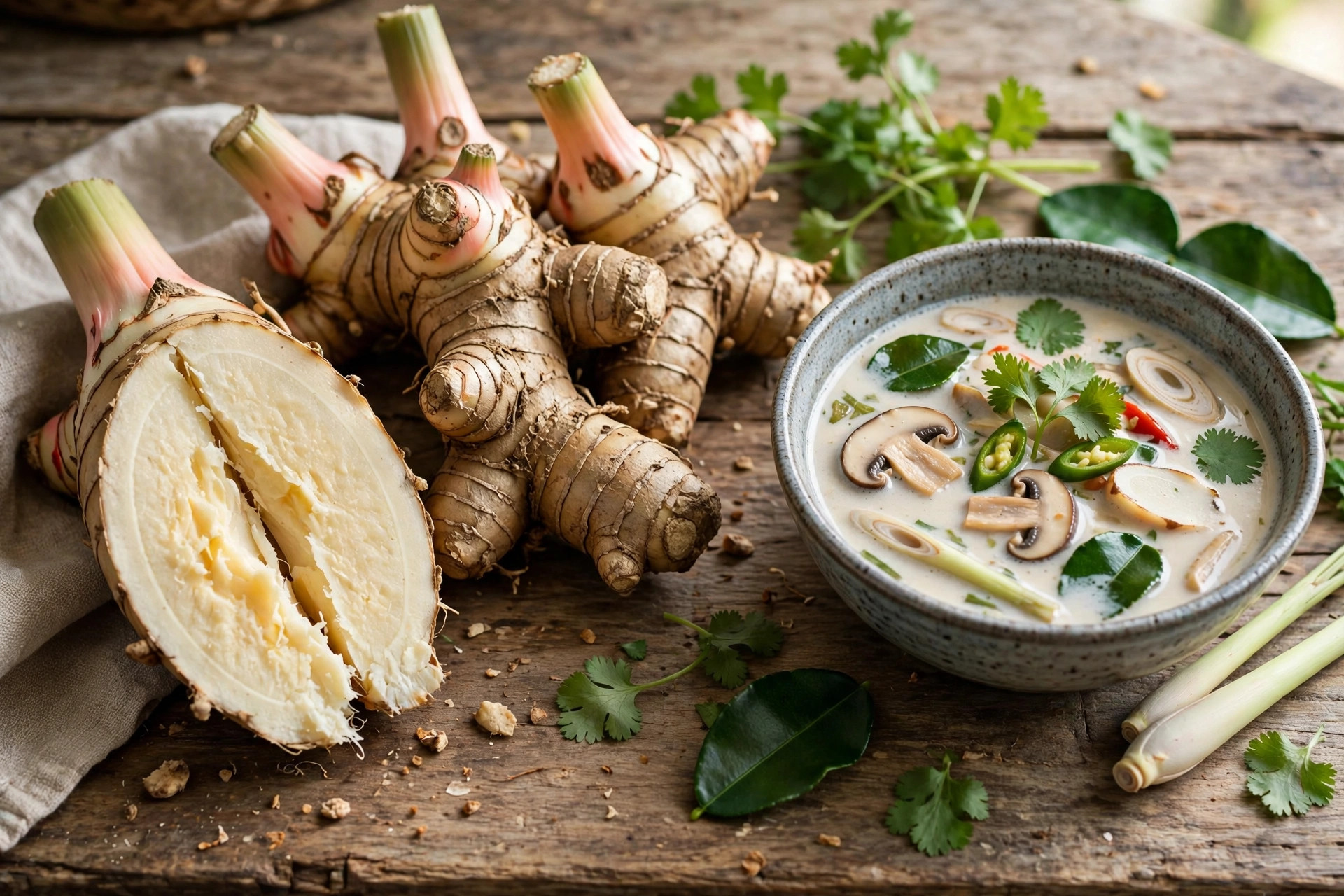
If you have ever enjoyed Thai tom kha soup, you have probably already met galangal. This pale, knobbly rhizome looks a little like young ginger, yet it brings its own sharp, citrusy warmth to the dish. In South-East Asian kitchens it is an everyday staple, and in traditional medicine it has long been valued as a warming digestive spice. But what does modern research actually say? Here is an evidence-first look.
What Is Galangal?
Galangal is the rhizome of plants in the Alpinia family, close cousins of ginger and turmeric. The two main kinds are greater galangal (Alpinia galanga) and lesser galangal (Alpinia officinarum), the latter most often sold dried or powdered. It grows across South-East Asia and has been used for centuries in Ayurvedic and traditional Chinese medicine for digestion, breathing complaints and rheumatic aches.
Greater Galangal vs Lesser Galangal
Greater galangal is milder and citrus-like, for soups; lesser galangal is smaller, darker and more pungent, for spice blends.
Galangal Nutrition and Key Compounds
Galangal is used in small amounts, so it is best thought of as a flavouring with interesting plant compounds rather than a major source of nutrients. Its chemistry draws researchers' attention: the flavonoid galangin, the phenylpropanoid 1'-acetoxychavicol acetate (ACA), plus eugenol and 1,8-cineole in its fragrant volatile oil. A 2024 review in Phytomedicine noted their anti-inflammatory and antioxidant activity in laboratory models.
What the Evidence Says About Galangal Benefits
The honest picture is familiar for a traditional spice: promising laboratory and animal findings, but very few human trials. Drugs.com's clinical overview is clear — clinical studies of galangal on its own are lacking, and most support comes from test-tube or animal work. Claims should stay modest.
Digestion and Comfort After Meals
Galangal's oldest use is as a carminative — a warming spice taken to ease bloating, fullness and sluggish digestion. Its volatile oils are thought to encourage digestive secretions and gut movement, and laboratory work has shown activity against Helicobacter pylori in test-tube conditions. Many people find a little in soup or tea settles the stomach after a rich meal.
Inflammation and Antioxidant Support
In laboratory models, galangin dampens inflammatory signals, including NF-κB-driven cytokines such as TNF-α and IL-6, and it inhibits the COX-2 enzyme involved in pain and swelling. One review reported antioxidant capacity of around 78% DPPH free-radical scavenging in lab tests. These are early-stage findings, not proof of benefit in people.
Other Areas Researchers Are Watching
Test-tube studies suggest galangin may slow the growth of some cancer cell lines, including colon cancer cells — an intriguing lead not yet tested in humans. A small three-month study of 66 men with low sperm quality found a 62% rise in sperm motility with a supplement combining galangal root and pomegranate extract, against 20% with placebo.
How to Use Galangal at Home
The simplest way to enjoy galangal is in food. Slice fresh rhizome into Thai-style soups and curries, simmer it in a warming broth, or grate a little into a stir-fry. Dried slices or powder work well in spice blends, and a thin slice steeped in hot water makes a gentle, fragrant tea. Start small — a teaspoon of grated root or one or two thin slices — because its flavour is strong.
Safety and Sensible Cautions
Used as a cooking spice, galangal has a long history of safe use and no well-documented interactions. But a few cautions apply. There is no established medicinal dose, and safety information for pregnancy and breastfeeding is lacking, so anyone in those groups should stick to ordinary culinary amounts and ask a clinician first. High-dose extracts have not been tested in proper human trials, so there is no good reason to take them.
Related reading on Organic Health Fix
- Mace Benefits: What the Evidence Really Says
- Paprika Benefits: What the Evidence Really Says
- Lovage Benefits: What the Evidence Really Says
Tags: #Galangal #GalangalBenefits #NaturalRemedies #Spices #GutHealth #Digestion #WellnessTips #Antioxidants
Comments
Post a Comment