Opening a jar, carrying shopping, holding a handrail or turning a key can feel harder than it used to. Grip strength is part of everyday life, yet it is easy to overlook until simple tasks take more effort. The good news is that hands and forearms often respond well to gentle, regular practice. This guide looks at what the evidence suggests, with practical home-friendly ideas and sensible cautions. What grip strength benefits really mean Researchers often use grip strength as a simple marker of overall muscle function because it is easy to measure and reflects how well the hands and forearms work together. In studies of adults, stronger grip tends to sit alongside better mobility and an easier time with daily activities. That does not mean a hand exerciser can guarantee any particular health outcome. It does suggest that keeping the hands active is a worthwhile part of a balanced routine , alongside walking, leg strength and balance practice. Many people find the most noticeable ch...
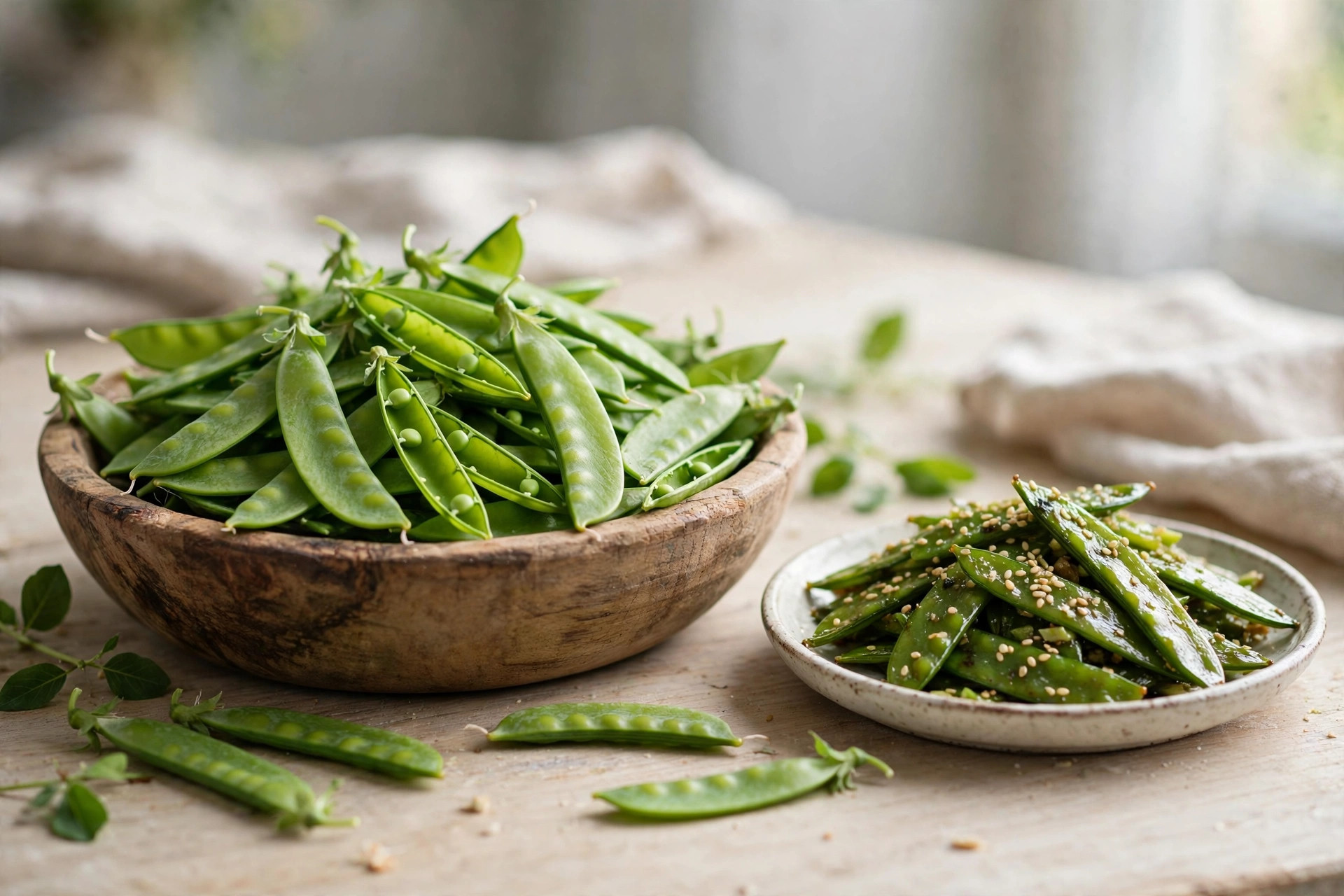
Snow peas are easy to overlook. They arrive in the stir-fry, add a satisfying crunch, and disappear before anyone stops to ask what they actually offer. Yet these flat, bright-green pods — eaten whole, pod and all — are among the most nutrient-dense vegetables you can buy for very few calories. So what does the evidence really say? This guide looks at the nutrition and the research behind the best-known benefits. As ever, this is general wellness information, not medical advice.
What Is in a Snow Pea?
Snow peas, also called Chinese pea pods, are immature pea pods eaten before the peas inside fully swell. Because the whole pod is eaten, they carry more fibre than shelled garden peas. According to the United States Department of Agriculture, 100 grams of raw snow peas provides just 42 calories, along with 2.6 grams of fibre, 2.8 grams of protein and almost no fat. The same serving delivers 60 mg of vitamin C — roughly a full day's worth — plus folate, vitamin K, vitamin A, iron and calcium.
Snow Peas and Vitamin C: Immunity and Skin
The headline nutrient in snow peas is vitamin C. At 60 mg per 100 grams, fresh pods carry about one and a half times the vitamin C of shelled garden peas. Vitamin C is a water-soluble antioxidant that helps the body form collagen — the protein that keeps skin and connective tissue in good shape — and supports the normal function of the immune system. No single food can promise to prevent illness, but snow peas are a genuinely rich, everyday source of this vitamin, and they keep most of it when cooked briefly.
Fibre, Digestion and Gut Health
Because snow peas are eaten pod and all, their fibre content is a real asset. Fibre helps keep bowel movements regular, feeds the friendly bacteria in the gut, and slows the pace at which food leaves the stomach. Their low energy density also makes them a useful choice for anyone watching their weight: plenty of crunch and volume for very few calories.
Bones, Eyes and Blood Sugar: What the Research Suggests
Snow peas bring together several nutrients that research links to bone health: vitamin K, which plays a role in bone mineralisation, along with calcium, phosphorus and manganese. Their vitamin A and the plant pigments lutein and zeaxanthin are traditionally associated with eye health, and their low glycaemic load and fibre content mean they are a sensible choice for people keeping an eye on blood sugar. None of this makes snow peas a treatment — just a smart part of a varied diet.
How to Enjoy Snow Peas
Snow peas are at their best with minimal cooking. A minute or two in a hot pan keeps them crisp and bright, and preserves more of their vitamin C than long boiling. Warm a little oil in a wok, add sliced garlic and ginger, then toss in a handful of snow peas with sliced peppers and mushrooms. Cook for two minutes, finish with a squeeze of lemon and a sprinkle of sesame seeds, and serve alongside rice or noodles.
A Few Sensible Cautions
Snow peas are generally well tolerated, but a few cautions are worth knowing. As members of the legume family, they may trouble people with legume allergies, including peanut or soya sensitivity. Their fibre can cause bloating if you eat a large portion and are not used to much fibre — build up gradually. They also contain oxalates and purines, so people prone to kidney stones or gout may wish to enjoy them in moderation.
Related reading on Organic Health Fix
- Spinach Benefits: What the Evidence Really Says
- Pineapple Benefits: What the Evidence Really Says
- Black Tea Benefits: What the Evidence Really Says
Tags: #SnowPeas #NaturalRemedies #WellnessTips #GutHealth #Nutrition #VitaminC #HealthyEating #OrganicHealthFix
Comments
Post a Comment