Opening a jar, carrying shopping, holding a handrail or turning a key can feel harder than it used to. Grip strength is part of everyday life, yet it is easy to overlook until simple tasks take more effort. The good news is that hands and forearms often respond well to gentle, regular practice. This guide looks at what the evidence suggests, with practical home-friendly ideas and sensible cautions. What grip strength benefits really mean Researchers often use grip strength as a simple marker of overall muscle function because it is easy to measure and reflects how well the hands and forearms work together. In studies of adults, stronger grip tends to sit alongside better mobility and an easier time with daily activities. That does not mean a hand exerciser can guarantee any particular health outcome. It does suggest that keeping the hands active is a worthwhile part of a balanced routine , alongside walking, leg strength and balance practice. Many people find the most noticeable ch...
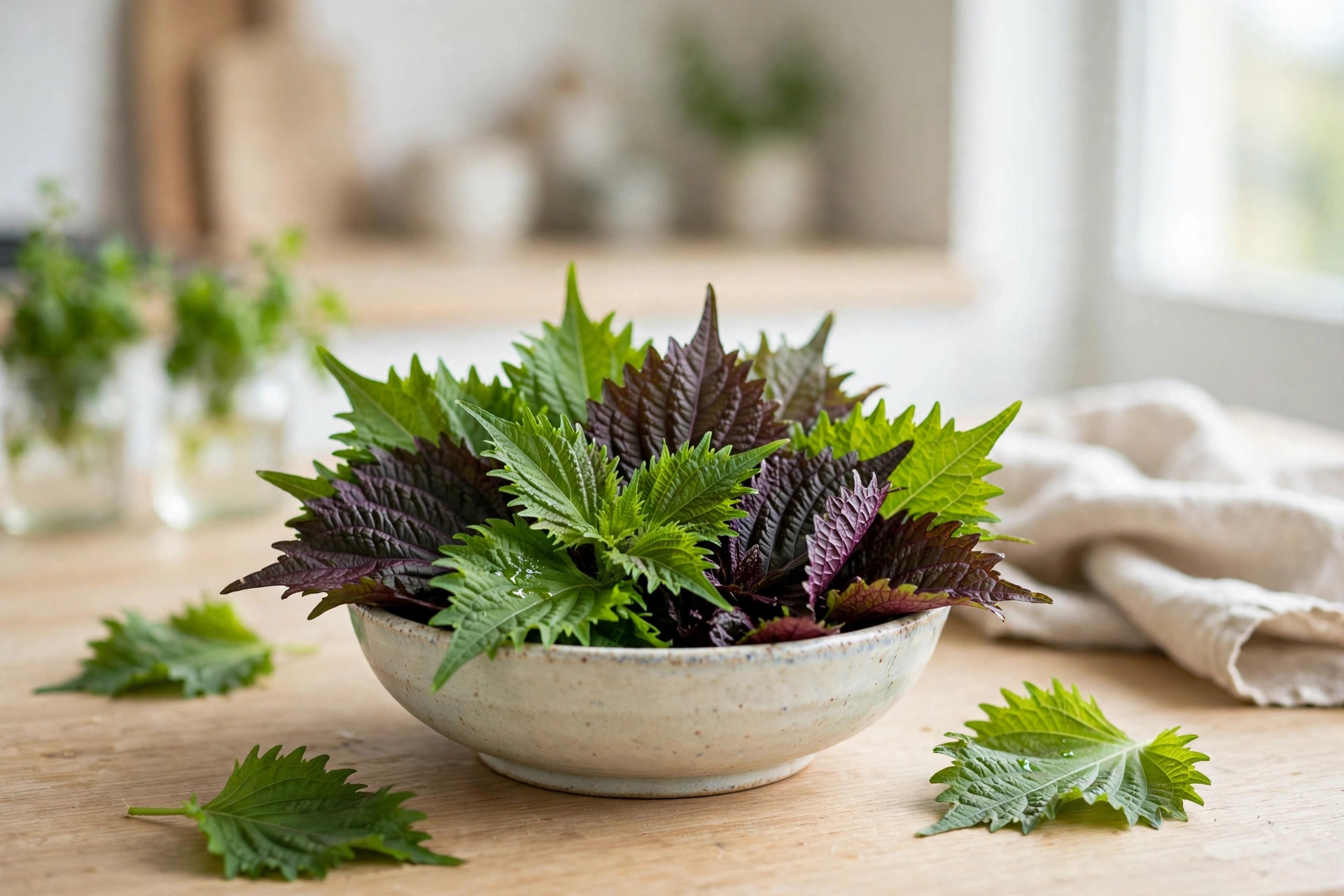
Shiso is the fragrant leaf many people first meet wrapped around sushi or scattered over a noodle bowl. With its bright, minty-citrus flavour, it is easy to enjoy simply as a herb, and it also brings a useful mix of nutrients and plant compounds to everyday meals.
Shiso benefits: what the evidence really says
Shiso, also called perilla leaf, comes from Perilla frutescens, a member of the mint family long used in Japanese, Korean and Chinese cooking. Green shiso is often served fresh, while red or purple shiso gives colour and flavour to pickles and drinks.
Research interest centres on compounds such as rosmarinic acid, luteolin and perillaldehyde, the aromatic compound behind shiso's distinctive scent. Laboratory studies suggest antioxidant and anti-inflammatory activity, and a small number of human trials using concentrated perilla leaf extracts have explored digestive comfort and joint comfort. These findings are promising but early, and they do not mean that a few fresh leaves will produce the same effects as a standardised extract.
Nutrition in a small handful of leaves
Fresh shiso leaves are light in calories yet surprisingly rich for a herb. Per 100 grams, they provide fibre, calcium, potassium, vitamin C, beta-carotene and folate, along with vitamin K. Red shiso also contains anthocyanins, the purple pigments linked with antioxidant activity in plant foods.
Because most servings use only a few leaves, think of shiso as a flavourful top-up rather than a main source of nutrients. Used often, though, small herb servings can help make vegetable-rich meals more appealing, which many people find is the easiest way to eat more greens overall.
Simple ways to use shiso at home
Shiso needs almost no preparation: rinse, pat dry and use straight away. Try these gentle ideas:
- Wrap and roll: use whole leaves to wrap rice, grilled vegetables or tofu.
- Chop into salads: slice leaves thinly and scatter over cucumber, tomato or noodle salads.
- Stir into dressings: blend with olive oil, lemon and a pinch of salt for a fresh herb dressing.
- Brew a light tea: steep a few leaves in hot water for a fragrant drink, traditionally enjoyed after meals.
Store fresh leaves wrapped in a slightly damp cloth in the fridge and use within a few days, as they bruise and darken quickly.
Sensible cautions
Shiso is generally enjoyed as a food in normal culinary amounts. Because the leaves contain vitamin K, people taking anticoagulant medicines such as warfarin are usually advised to keep vitamin K intake steady and to check with their clinician before making big changes. Concentrated extracts and supplements are a different matter from fresh leaves, so it is wise to seek professional advice before using them, especially during pregnancy or alongside regular medication.
As general information, shiso is best viewed as a tasty, nutrient-rich herb with an interesting evidence base that is still developing, rather than a remedy for any condition.
Related reading on Organic Health Fix
- Escarole Benefits: What the Evidence Really Says
- Komatsuna Benefits: What the Evidence Really Says
- Tatsoi Benefits: What the Evidence Really Says
Tags: #Shiso #PerillaLeaf #NaturalRemedies #WellnessTips #Nutrition #LeafyGreens #GutHealth #Herbs
Comments
Post a Comment