Opening a jar, carrying shopping, holding a handrail or turning a key can feel harder than it used to. Grip strength is part of everyday life, yet it is easy to overlook until simple tasks take more effort. The good news is that hands and forearms often respond well to gentle, regular practice. This guide looks at what the evidence suggests, with practical home-friendly ideas and sensible cautions. What grip strength benefits really mean Researchers often use grip strength as a simple marker of overall muscle function because it is easy to measure and reflects how well the hands and forearms work together. In studies of adults, stronger grip tends to sit alongside better mobility and an easier time with daily activities. That does not mean a hand exerciser can guarantee any particular health outcome. It does suggest that keeping the hands active is a worthwhile part of a balanced routine , alongside walking, leg strength and balance practice. Many people find the most noticeable ch...
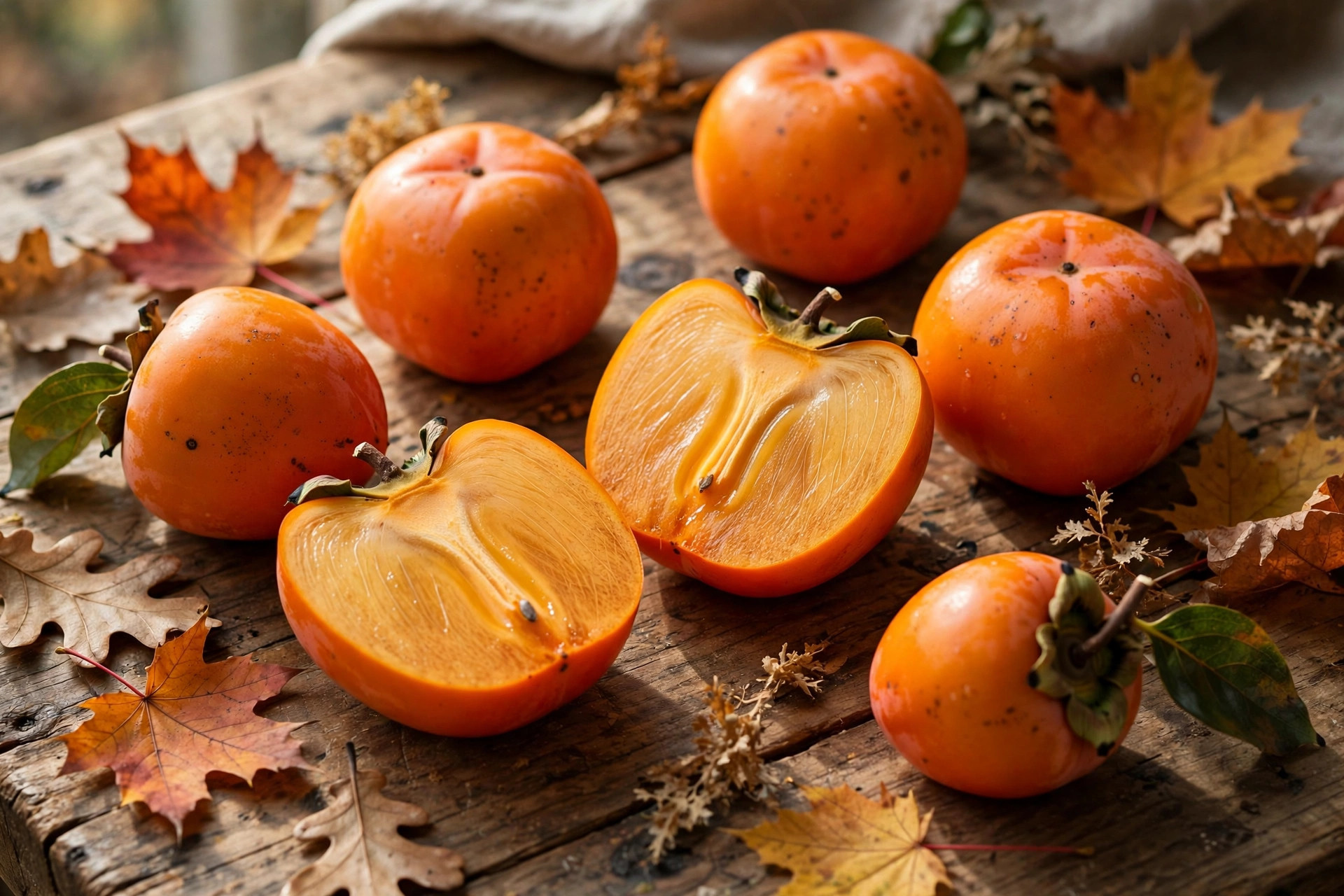
Persimmons are one of autumn's sweetest fruits, and they arrive with a generous reputation: good for the heart, kind to the gut, rich in vitamin A and full of antioxidants. Some of that reputation is well earned. Some of it runs ahead of the research. This guide looks at what the evidence actually says about persimmon benefits, so you can enjoy the fruit for what it genuinely offers.
A 100-gram serving of raw Japanese persimmon provides around 70 calories, 3.6 grams of fibre, useful amounts of vitamin C and potassium, and a notable dose of provitamin A carotenoids. Its deep orange colour comes from beta-carotene and beta-cryptoxanthin, compounds the body can convert into vitamin A.
Persimmon Benefits for Eye and Immune Health
The strongest nutritional case for persimmons rests on their carotenoids. Vitamin A supports normal vision, immune function and the maintenance of skin and mucous membranes, and persimmons supply its precursors in meaningful amounts. A 2019 meta-analysis combining eight randomised trials and twelve cohort studies found that higher intakes of vitamin and carotenoid nutrients were associated with a lower risk of age-related cataracts, although that finding relates to carotenoid-rich diets generally rather than to persimmons specifically. Eating persimmons contributes vitamin A precursors to a varied diet, which is how these nutrients work best; it does not prevent eye disease on its own.
Persimmon and Gut Health: Fibre, Tannins and Tradition
Persimmons combine soluble fibre, in the form of pectin, with tannins, the astringent compounds behind the mouth-puckering taste of an unripe fruit. That pairing is the basis for the fruit's long traditional use in calming loose stools, particularly with less-ripe, higher-tannin fruit. The mechanism is plausible, but human clinical trials testing persimmon for digestive complaints are lacking, so this belongs in the traditional-use column rather than the proven-treatment one. The fibre itself is genuinely useful: at 3.6 grams per 100 grams, persimmon fibre supports regular bowel movements and feeds the beneficial bacteria in the gut.
Persimmon Benefits for Heart Health and Blood Sugar
The most cited human study on persimmons and cholesterol used a concentrated tannin-rich fibre preparation rather than the whole fruit. In a 2013 trial, 40 adults with raised cholesterol ate cookie bars containing tannin-rich fibre from young persimmons three times a day for 12 weeks; total cholesterol fell significantly, and LDL cholesterol fell in the higher-intake subgroup. It is a real result, but it tested an extract, not a persimmon eaten as food. The blood sugar picture is similar: a 2022 study found that persimmon-derived polyphenols slowed the rise in blood sugar after a carbohydrate drink, again using an extract. A fresh persimmon contains around 11 to 12 grams of natural sugar per 100 grams, so eating large amounts for blood sugar management would be counterproductive; a single ripe fruit as part of a balanced meal is the sensible approach.
What About the Bigger Claims?
You will find pages claiming persimmons prevent cancer or reverse hardened arteries. The evidence does not go that far. Laboratory studies show persimmon compounds acting as antioxidants, and higher dietary beta-cryptoxanthin intake is associated with lower risk of some conditions in population studies, but associations are not proof, and no trial has shown that eating persimmons prevents or treats disease in people.
Who Should Be Careful With Persimmons
Persimmons are safe for most people in normal amounts, but one caution is worth knowing. The skin of unripe persimmons is rich in tannins, which in the stomach can bind to proteins and fibre and form hard masses of undigested plant material, known as bezoars. This is rare in healthy people eating ripe fruit in normal quantities; the risk is higher for people who have had stomach surgery, have slow gastric emptying or difficulty chewing. Peeling the fruit removes most of the tannin-rich skin, and choosing fully ripe, soft fruit is the simplest safeguard.
How to Choose and Eat Persimmons
There are two main types. Fuyu persimmons are squat and tomato-shaped, sweet and crisp even while firm, so they can be eaten like an apple. Hachiya persimmons are acorn-shaped and astringent until fully ripe and jelly-soft. Enjoy persimmons fresh, sliced into salads, blended into smoothies or stirred into yoghurt and porridge. Dried persimmons are a traditional treat, but far more concentrated in sugar, so a small handful is enough.
Related reading on Organic Health Fix
- Fig Benefits: What the Evidence Really Says
- Lemon Benefits: What the Evidence Really Says
- Acai Berry Benefits: What the Evidence Really Says
Disclaimer: This article is for general information only and is not medical advice. It does not diagnose, treat or prevent any condition. If you have a health concern or a medical condition, please speak to a qualified healthcare professional.
Tags: #PersimmonBenefits #VitaminA #GutHealth #HeartHealth #NaturalRemedies #FruitBenefits #OrganicHealthFix
Comments
Post a Comment