Opening a jar, carrying shopping, holding a handrail or turning a key can feel harder than it used to. Grip strength is part of everyday life, yet it is easy to overlook until simple tasks take more effort. The good news is that hands and forearms often respond well to gentle, regular practice. This guide looks at what the evidence suggests, with practical home-friendly ideas and sensible cautions. What grip strength benefits really mean Researchers often use grip strength as a simple marker of overall muscle function because it is easy to measure and reflects how well the hands and forearms work together. In studies of adults, stronger grip tends to sit alongside better mobility and an easier time with daily activities. That does not mean a hand exerciser can guarantee any particular health outcome. It does suggest that keeping the hands active is a worthwhile part of a balanced routine , alongside walking, leg strength and balance practice. Many people find the most noticeable ch...
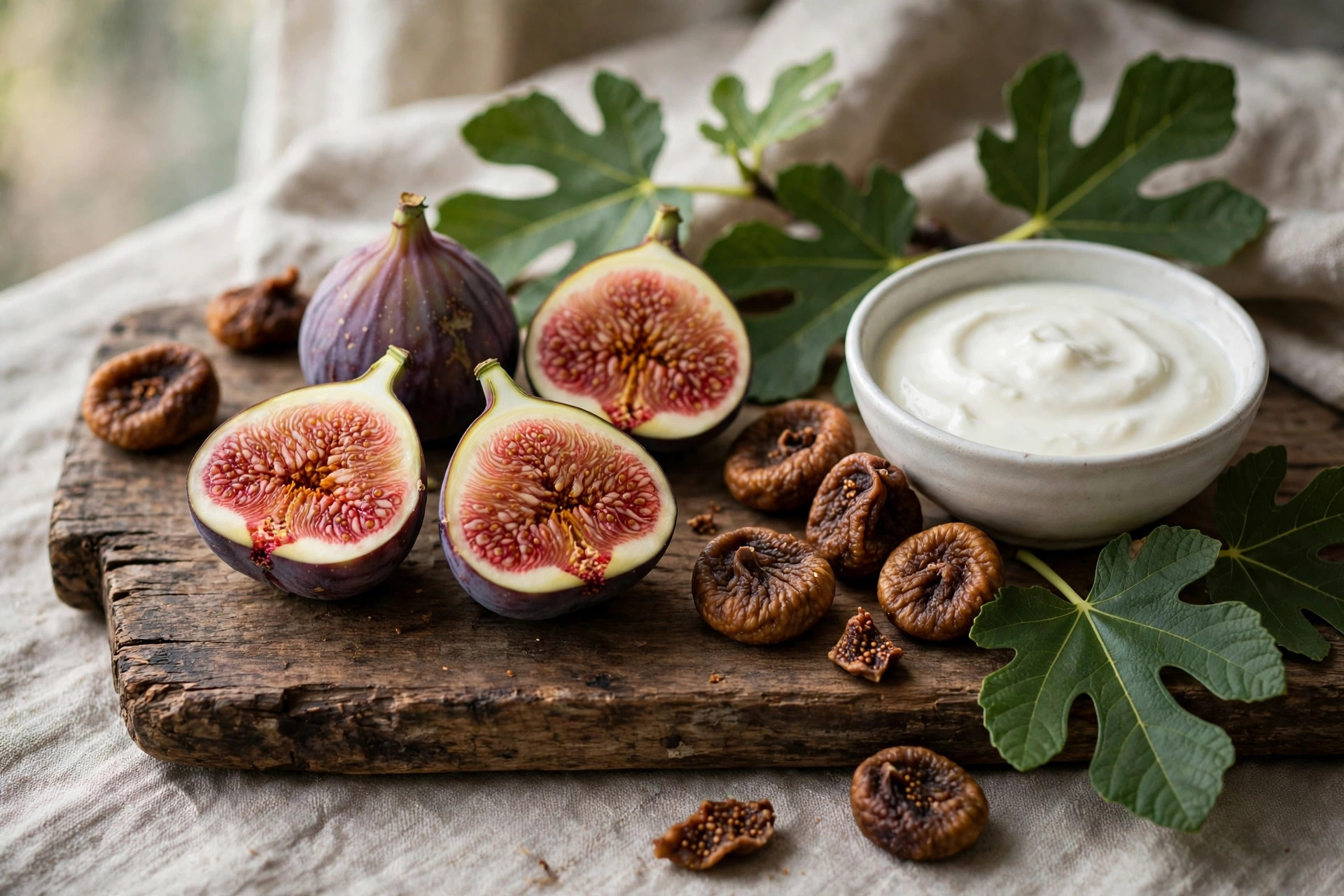
Figs have been enjoyed for thousands of years, and they still earn their place in a modern, balanced diet. Sweet, soft and wonderfully versatile, figs offer fibre, minerals and plant compounds in a small, satisfying package. But what does the evidence actually say about them? Here is a calm, honest look at fig benefits, without the miracle claims.
Fig Benefits for Gut Health: Fibre and Prebiotics
The strongest case for figs starts in the gut. Figs are naturally rich in dietary fibre, offering a mix of soluble and insoluble fibre in every serving. Soluble fibre absorbs water and forms a gentle gel that can help soften stools, while insoluble fibre adds bulk and supports regular bowel movements. Together, they help many people feel more comfortable day to day.
Figs also contain prebiotic fibres, which feed the beneficial bacteria already living in the gut. When these bacteria ferment the fibre, they produce short-chain fatty acids such as butyrate, which help nourish the gut lining. A small randomised trial found that people with constipation-predominant IBS who ate dried figs reported less pain and easier bowel movements than those given a placebo, although larger studies are still needed.
Fig Nutrition: What Is Inside the Fruit
Beyond fibre, figs bring a useful spread of nutrients. Fresh figs provide potassium, copper, vitamin B6 and magnesium, while dried figs concentrate these nutrients along with their natural sugars. Around 100 grams of dried figs offers close to 10 grams of fibre, which is a meaningful contribution towards a daily target.
Figs also contain polyphenols, the plant compounds that give many fruits their colour and much of their antioxidant activity. A 2023 review noted that fig phytochemicals show promise in laboratory studies, but human evidence for whole figs remains limited and mostly small-scale. The honest picture is that figs are a nutritious fruit, not a medicine.
Fresh or Dried: Which Figs Suit You?
Fresh figs are lower in sugar and energy, with a delicate texture that suits salads, yoghurt and cheese boards. Dried figs are chewier, sweeter and more concentrated, which makes them handy for snacking, baking and porridge. Both forms count, so choose the one that fits your day. If you watch your blood sugar, dried figs deserve a smaller portion, as their sugars are concentrated once the water is gone.
How to Enjoy Figs at Home
Figs are easy to weave into everyday meals. Try a few simple ideas:
At breakfast: slice fresh figs over porridge or yoghurt with a sprinkle of seeds. At lunch: add quartered figs to a leafy salad with walnuts and a little soft cheese. As a snack: pair two or three dried figs with a handful of almonds for a filling bite. In baking: chop dried figs into flapjacks, muffins or energy balls for natural sweetness.
Start with a small serving if you are new to high-fibre foods, and drink enough water alongside them. A sudden large helping can cause bloating or loose stools, especially for people who are not used to much fibre.
A Few Sensible Cautions
Figs are a wholesome food, but they are not for everyone in unlimited amounts. Their natural sugars mean people managing diabetes should enjoy them in modest portions and as part of a balanced meal. Some people are sensitive to figs, and the sap of the fig plant can irritate skin. Anyone with ongoing digestive symptoms, anaemia or persistent constipation should speak to a clinician rather than relying on any single food.
Figs are best seen as one enjoyable part of a varied, fibre-rich diet. Eaten mindfully, they bring sweetness, texture and genuine nutrition to the table, and that is benefit enough.
Related reading on Organic Health Fix
- Chicory Root Benefits: What the Evidence Really Says
- Lemon Benefits: What the Evidence Really Says
- Walking Benefits: What the Evidence Really Says
Tags: #FigBenefits #GutHealth #NaturalRemedies #Fibre #WellnessTips #HealthyEating #Nutrition
Comments
Post a Comment