Opening a jar, carrying shopping, holding a handrail or turning a key can feel harder than it used to. Grip strength is part of everyday life, yet it is easy to overlook until simple tasks take more effort. The good news is that hands and forearms often respond well to gentle, regular practice. This guide looks at what the evidence suggests, with practical home-friendly ideas and sensible cautions. What grip strength benefits really mean Researchers often use grip strength as a simple marker of overall muscle function because it is easy to measure and reflects how well the hands and forearms work together. In studies of adults, stronger grip tends to sit alongside better mobility and an easier time with daily activities. That does not mean a hand exerciser can guarantee any particular health outcome. It does suggest that keeping the hands active is a worthwhile part of a balanced routine , alongside walking, leg strength and balance practice. Many people find the most noticeable ch...
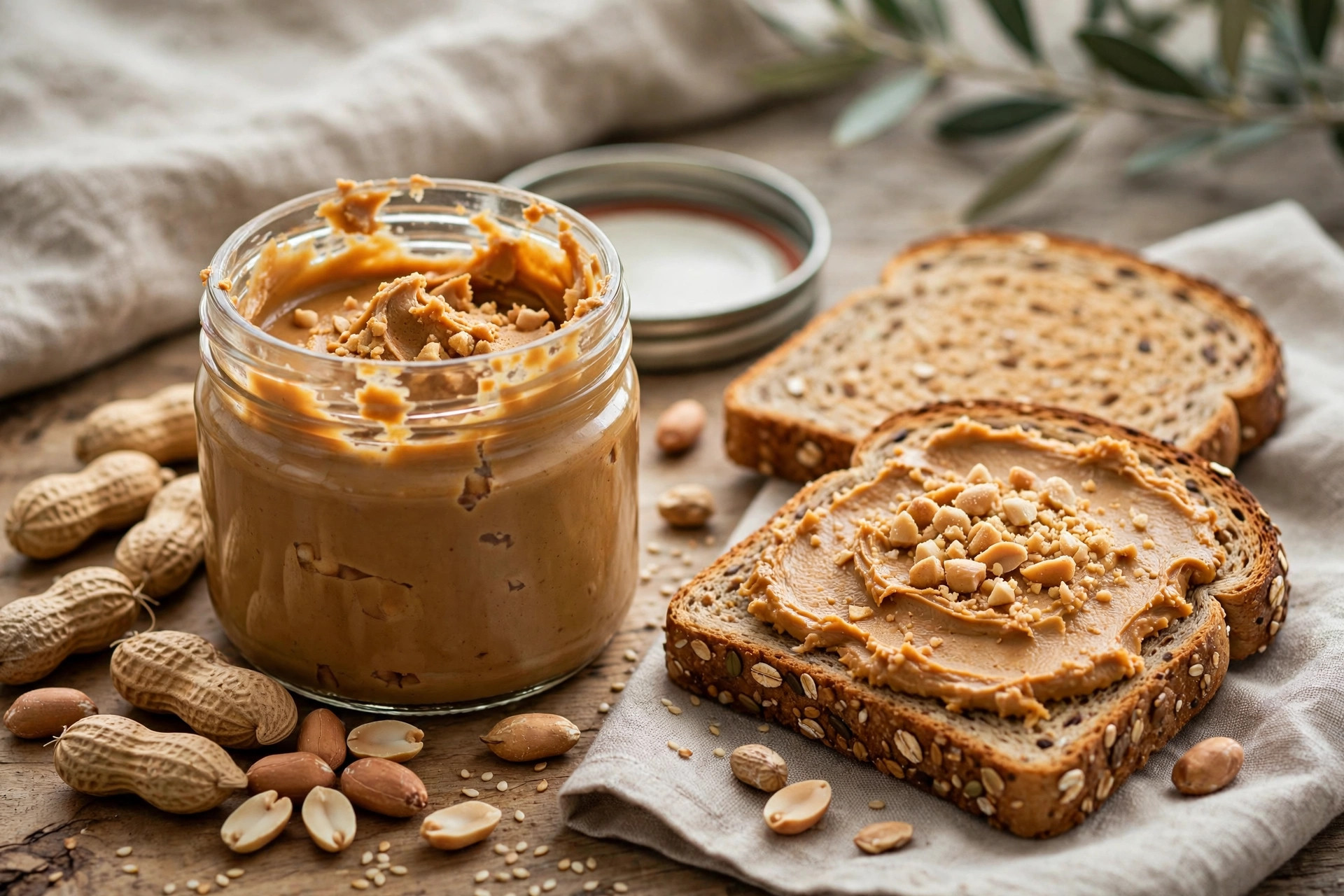
Peanut butter is one of those store-cupboard staples that divides opinion: delicious and filling, yet easy to overdo by the spoonful. Made simply from ground peanuts, it brings protein, healthy fats and fibre to toast, porridge and smoothies. So what does the evidence really say about peanut butter benefits, and how can you enjoy it sensibly? This is general wellness information, not medical advice.
Peanut Butter Benefits and Nutrition at a Glance
A typical two-tablespoon serving, about 32 grams, provides roughly 190 calories, around 7 grams of protein and about 16 grams of fat, mostly unsaturated. Peanut butter also contains fibre, magnesium, phosphorus, vitamin E and B vitamins such as niacin and folate. That mix is why many people find it satisfying: protein and fat slow digestion, so a modest portion can help a breakfast or snack feel more substantial than a sugary spread alone.
Why Peanut Butter Is Linked With Heart-Friendly Diets
Peanuts are rich in monounsaturated fat, including oleic acid, and they also provide linoleic acid and plant compounds. Studies of nuts and peanuts in general often link regular, moderate consumption with heart-friendly dietary patterns. That does not mean peanut butter treats or prevents heart disease. It is better viewed as one nourishing food within a balanced diet, especially when it replaces spreads high in added sugar or saturated fat. Choosing a variety made mainly from peanuts, with little added sugar or salt, keeps the focus on the peanuts themselves.
Smooth, crunchy or natural?
Crunchy and smooth versions are nutritionally similar. Natural peanut butter may separate in the jar, which is normal; a good stir brings it back together. Check the label if you prefer to limit added sugar, salt or hydrogenated oils.
Simple Ways to Enjoy Peanut Butter
Traditionally, peanut butter is spread on wholegrain toast, paired with banana or apple slices, or stirred into porridge. Many people find that one to two tablespoons is a practical portion, measured rather than guessed, because the calories add up quickly. Try it in a smoothie with milk or a plant alternative, whisked into a noodle sauce with lime and chilli, or spread thinly on oatcakes with cucumber. Rotating peanut butter with other spreads, such as hummus or yoghurt-based dips, keeps meals varied.
Sensible Cautions to Keep in Mind
Peanut allergy can be serious, so anyone with a peanut allergy must avoid peanut butter entirely and follow their own medical guidance. Because peanut butter is calorie-dense, large portions can make it harder to keep overall energy intake in balance. Some brands add sugar, salt or oils, so labels are worth a quick read. As with any food, peanut butter works best as part of a varied diet rather than a single source of protein. If you manage a health condition, general articles like this one cannot replace personalised advice.
The Bottom Line on Peanut Butter Benefits
Peanut butter earns its place in many kitchens because it is tasty, filling and rich in protein and unsaturated fats. The evidence supports enjoying it in modest portions as part of a balanced eating pattern, while keeping claims modest and choosing simpler varieties where possible. For many households, it is simply an easy way to make everyday meals more satisfying.
Related reading on Organic Health Fix
- Anchovies Benefits: What the Evidence Really Says
- Blackstrap Molasses Benefits: What the Evidence Really Says
- Grapes Benefits: What the Evidence Really Says
Tags: #PeanutButterBenefits #Nutrition #HealthyEating #WellnessTips #Protein #HeartHealth #NaturalRemedies
Comments
Post a Comment