Opening a jar, carrying shopping, holding a handrail or turning a key can feel harder than it used to. Grip strength is part of everyday life, yet it is easy to overlook until simple tasks take more effort. The good news is that hands and forearms often respond well to gentle, regular practice. This guide looks at what the evidence suggests, with practical home-friendly ideas and sensible cautions. What grip strength benefits really mean Researchers often use grip strength as a simple marker of overall muscle function because it is easy to measure and reflects how well the hands and forearms work together. In studies of adults, stronger grip tends to sit alongside better mobility and an easier time with daily activities. That does not mean a hand exerciser can guarantee any particular health outcome. It does suggest that keeping the hands active is a worthwhile part of a balanced routine , alongside walking, leg strength and balance practice. Many people find the most noticeable ch...
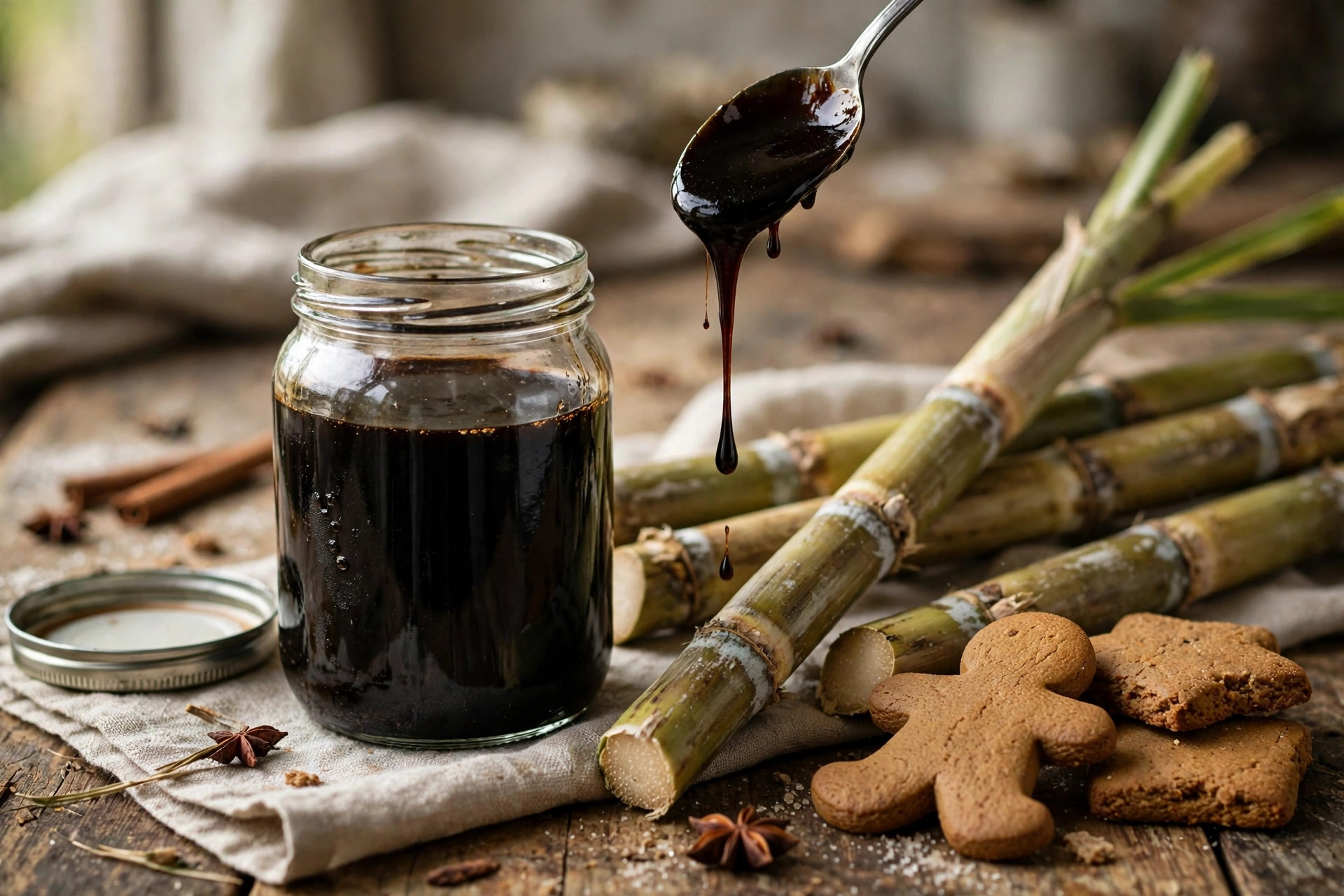
Blackstrap molasses is the dark, thick syrup left after sugarcane juice has been boiled three times and the sugar crystals removed. Because so much water has been driven off, what remains is concentrated: it tastes bitter-sweet and robust, quite unlike refined sugar, and many people keep a jar for winter baking, baked beans and warm drinks. It has a long history as a home remedy, but what does the evidence actually support? Here is a balanced look at blackstrap molasses benefits, its nutrition, and the sensible cautions.
Blackstrap molasses benefits: what the nutrition shows
Unlike refined sugar, which offers little beyond sweetness, blackstrap molasses carries the minerals that were present in the sugarcane. One tablespoon (about 15 ml) provides roughly 60 calories, 14 grams of carbohydrate and around 10 grams of sugar, alongside meaningful amounts of iron, calcium, magnesium, potassium, phosphorus, manganese and vitamin B6. Typical figures put a tablespoon at about 20% of the daily value for iron and around 10% each for calcium, magnesium and potassium, though brands vary. That mineral content is the main reason it is often described as a more nutritious sweetener — but it is still a sweetener, and the amounts eaten are small, so it works best as a flavourful part of an overall varied diet rather than a main source of any nutrient.
Iron, bones and digestion: where the evidence is thinner
Blackstrap molasses is traditionally used as a gentle source of plant-based iron, and its iron content is genuinely higher than that of light or dark molasses. Plant iron is absorbed less readily than iron from meat, and research directly testing molasses for low iron is limited, so it is best viewed as one iron-containing food among many — alongside leafy greens, beans and lentils — rather than a treatment for anaemia. Anyone with diagnosed iron deficiency should follow their clinician's advice. Similarly, calcium, magnesium and phosphorus all matter for bone health in general, but a spoonful of molasses contributes only a modest share of daily needs, and studies linking molasses itself to stronger bones are lacking. For digestion, molasses has a folk reputation for easing constipation, and one study in children with functional constipation found it performed comparably to a standard laxative solution; evidence in adults is much thinner, so gentle, occasional culinary use is the sensible framing.
Simple ways to use blackstrap molasses at home
A little goes a long way. Many people stir one teaspoon to one tablespoon into porridge, yoghurt or a warm milk drink, whisk it into salad dressings and marinades, or use it in gingerbread, baked beans and barbecue-style sauces where its deep flavour shines. Because it is less sweet than sugar, swapping it spoon-for-spoon changes the taste of a recipe, so start small and adjust. Pairing plant-iron foods with vitamin C-rich foods, such as citrus fruit or peppers, is a well-established kitchen habit that supports iron absorption from meals generally.
Sensible cautions
Blackstrap molasses still raises blood sugar, so people managing diabetes or watching their sugar intake should treat it like other sweeteners and keep portions modest. It can also stick to teeth, so enjoying it with meals rather than sipping it through the day is kinder to enamel. If you take medicines affected by potassium or iron, or have been told to limit either mineral, check with a clinician or pharmacist before using molasses regularly. As with any traditional remedy, persistent symptoms deserve proper medical advice rather than home treatment.
Related reading on Organic Health Fix
- Komatsuna Benefits: What the Evidence Really Says
- Nori Benefits: What the Evidence Really Says
- Anchovies Benefits: What the Evidence Really Says
Tags: #BlackstrapMolasses #NaturalRemedies #Nutrition #WellnessTips #HealthyEating #Minerals #GutHealth
Comments
Post a Comment