Opening a jar, carrying shopping, holding a handrail or turning a key can feel harder than it used to. Grip strength is part of everyday life, yet it is easy to overlook until simple tasks take more effort. The good news is that hands and forearms often respond well to gentle, regular practice. This guide looks at what the evidence suggests, with practical home-friendly ideas and sensible cautions. What grip strength benefits really mean Researchers often use grip strength as a simple marker of overall muscle function because it is easy to measure and reflects how well the hands and forearms work together. In studies of adults, stronger grip tends to sit alongside better mobility and an easier time with daily activities. That does not mean a hand exerciser can guarantee any particular health outcome. It does suggest that keeping the hands active is a worthwhile part of a balanced routine , alongside walking, leg strength and balance practice. Many people find the most noticeable ch...
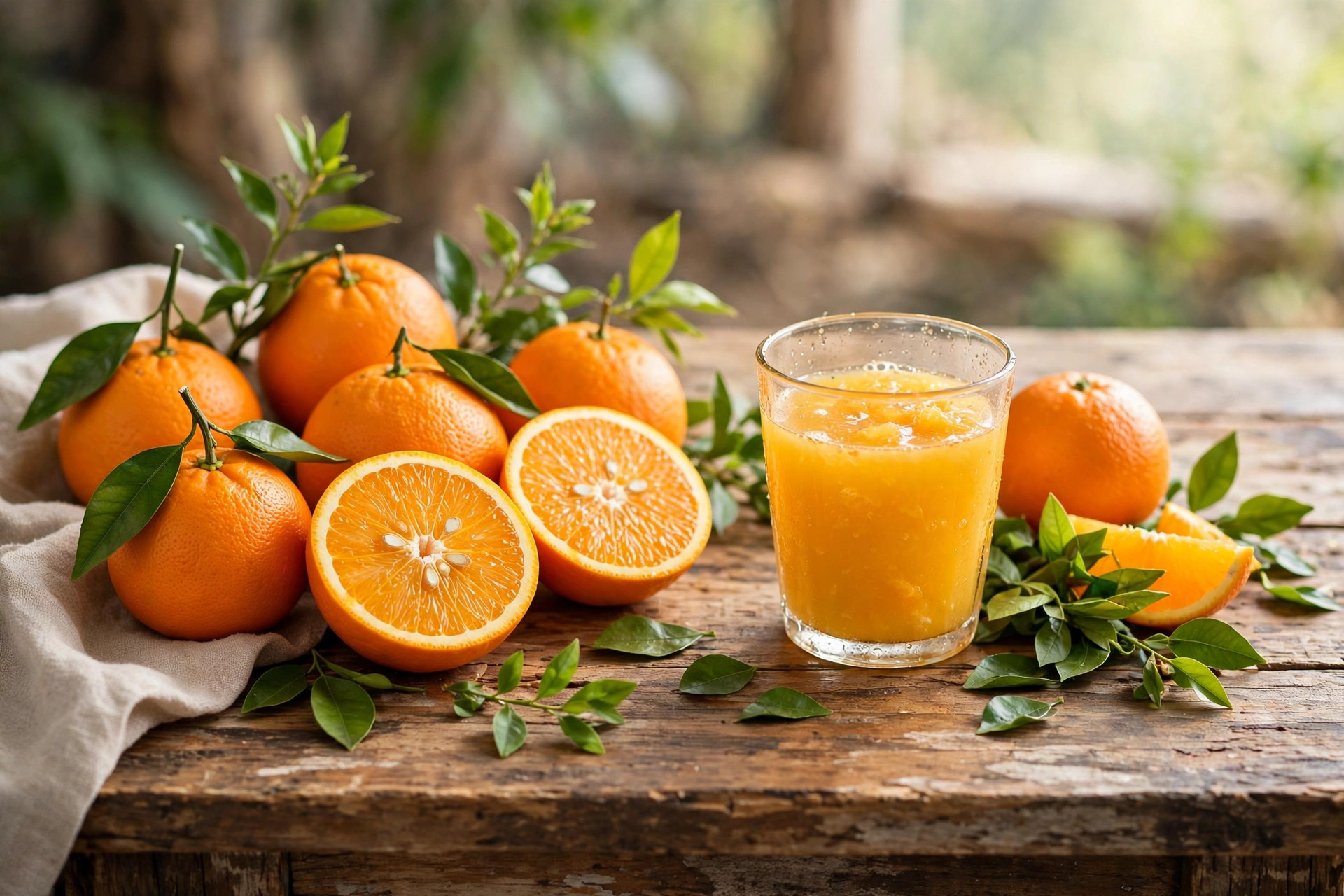
Oranges are the fruit most of us reach for without thinking — a breakfast staple, a lunchbox regular, a glass of juice on a cold morning. They are also one of the most studied fruits in nutrition science, and the research paints a picture that is encouraging without being exaggerated. This guide looks at what the evidence really says about orange benefits, from vitamin C and heart health to the flavanone hesperidin, and where the claims run ahead of the data.
Orange Benefits: What Is Inside One Fruit?
A single medium orange is a surprisingly generous package. According to USDA figures, it provides around 70 mg of vitamin C — roughly three-quarters of the daily value — plus about 3.1 grams of fibre, around 237 mg of potassium, folate and small amounts of calcium and magnesium, all for roughly 60–70 calories. It also carries beta-cryptoxanthin, a carotenoid the body can convert into vitamin A, and a group of citrus flavonoids led by hesperidin.
Hesperidin is the compound researchers keep coming back to. It is found almost exclusively in citrus fruit, and it makes up about 90 per cent of the flavonoids in orange juice. Along with vitamin C and soluble pectin fibre, it is the reason oranges feature so often in heart-health research. None of this makes an orange a medicine — but as part of a varied diet, it is a genuinely useful food.
Oranges and Immune Health
Vitamin C is the nutrient most people associate with oranges, and the association is fair. Vitamin C supports the production and function of white blood cells, acts as an antioxidant that protects cells from damage, and is needed to make collagen, the protein that keeps skin and mucous membranes intact as the body's first barrier against germs.
It is worth being precise about what that means in practice. Eating oranges helps the immune system work normally by supplying nutrients it depends on. It does not "supercharge" immunity, and vitamin C does not prevent colds in the general population, despite decades of folklore. What one orange a day does offer is a practical, enjoyable way to meet most of the daily vitamin C target from food — which is how the nutrient works best, arriving with fibre, water and other plant compounds that a supplement cannot provide.
Orange Benefits for Heart Health
The heart-health case for oranges rests on several small effects working together. Potassium helps balance the effects of sodium on blood pressure. Soluble pectin fibre can bind cholesterol in the digestive tract and help lower LDL cholesterol. And hesperidin has been linked in trials to better blood-vessel function and modest improvements in blood pressure and HDL cholesterol.
A 2024 meta-analysis of 12 randomised trials (589 participants) found hesperidin improved lipid profile, fasting glucose and inflammatory markers such as CRP. Cohort studies have also linked higher citrus flavanone intake with a lower risk of ischaemic stroke — each 50 mg per day increment of dietary flavanones was associated with roughly an 11 per cent lower stroke risk. These are associations and modest trial effects, not proof that oranges prevent heart disease, but they point in a consistent direction: oranges fit well into a heart-friendly eating pattern.
Whole Fruit or Juice?
Here the evidence draws a clear line. Whole oranges keep their fibre intact, slow digestion and are far more filling than a glass of juice. Orange juice, even 100 per cent juice, concentrates the sugars while removing almost all the fibre — an 8-ounce glass carries 20–26 grams of natural sugar. Trials of orange juice have shown small improvements in blood pressure and LDL cholesterol, but experts advise keeping juice to a modest glass and eating the whole fruit most of the time.
Oranges, Digestion and Everyday Eating
The fibre in oranges — around 3 grams per fruit — supports regular digestion and helps slow the absorption of sugars, which can help keep blood sugar steadier after eating. Oranges are also about 86 per cent water, so they contribute meaningfully to daily fluid intake, and their natural sweetness makes them an easy swap for a processed snack.
Adding oranges to everyday meals is simple: segments in a salad with greens and nuts, slices stirred into yoghurt, or a whole orange as an afternoon snack. If you take medication, one caution is worth noting — oranges are far gentler than grapefruit on drug interactions, but anyone on regular prescription medicine who eats large amounts of citrus should still mention it to their pharmacist.
Related reading on Organic Health Fix
- Lemon Benefits: What the Evidence Really Says
- Fig Benefits: What the Evidence Really Says
- Persimmon Benefits: What the Evidence Really Says
Tags: #OrangeBenefits #VitaminC #HeartHealth #NaturalRemedies #WellnessTips #Nutrition #CitrusFruit #HealthyEating
Comments
Post a Comment