Opening a jar, carrying shopping, holding a handrail or turning a key can feel harder than it used to. Grip strength is part of everyday life, yet it is easy to overlook until simple tasks take more effort. The good news is that hands and forearms often respond well to gentle, regular practice. This guide looks at what the evidence suggests, with practical home-friendly ideas and sensible cautions. What grip strength benefits really mean Researchers often use grip strength as a simple marker of overall muscle function because it is easy to measure and reflects how well the hands and forearms work together. In studies of adults, stronger grip tends to sit alongside better mobility and an easier time with daily activities. That does not mean a hand exerciser can guarantee any particular health outcome. It does suggest that keeping the hands active is a worthwhile part of a balanced routine , alongside walking, leg strength and balance practice. Many people find the most noticeable ch...
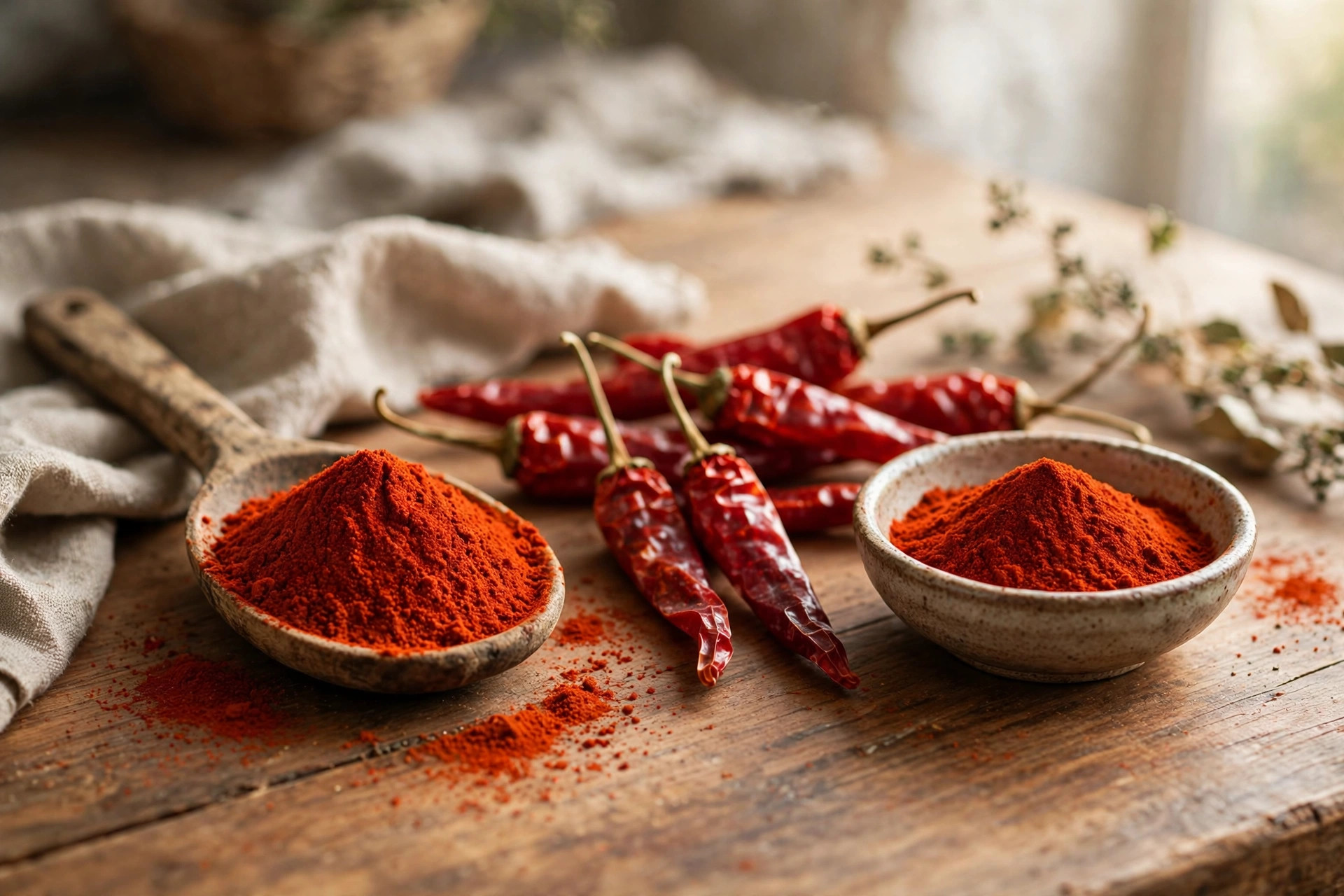
Paprika sits quietly in most spice racks, sprinkled over devilled eggs or stirred into stews, yet this deep red powder carries a surprisingly rich nutritional profile. Made from dried and ground peppers of the plant Capsicum annuum, paprika comes in sweet, smoked and hot varieties, each bringing its own gentle warmth to everyday cooking.
What Is Paprika?
Paprika is simply dried peppers, ground into a fine powder. Sweet paprika is mild and earthy, smoked paprika carries a gentle wood-fired note, and hot paprika brings a modest chilli heat. The spice is a staple in Hungarian, Spanish and Balkan cooking, where it colours goulash, seasons roasted vegetables and finishes soups.
Paprika Benefits: Antioxidants, Vitamin A and Eye Health
Paprika is rich in carotenoid antioxidants, the plant pigments behind its red colour. These include beta carotene, capsanthin, zeaxanthin and lutein, which help protect cells from damage caused by free radicals. Capsanthin, which makes up a large share of paprika's carotenoids, is found in few other common foods.
One tablespoon of paprika (about 6.8 grams) provides roughly 19% of daily vitamin A needs, mostly from beta carotene, along with useful amounts of vitamin E and iron. Vitamin A supports normal vision, immune function and healthy skin, and getting it from food is a gentle, everyday approach.
The eye-health angle is one of the better-studied ones. Lutein and zeaxanthin gather in the macula of the eye, where they help filter blue light, and higher dietary intakes have been linked in observational research with a lower risk of cataracts and age-related macular degeneration. In one study of more than 1,800 women, those with the highest intakes were 32% less likely to develop cataracts than those with the lowest.
Hot Paprika and Capsaicin
Hot varieties of paprika contain capsaicin, the compound that gives chilli its heat. Capsaicin is thought to bind to receptors on nerve cells in ways that may ease inflammation, and topical capsaicin creams are used for arthritis and nerve pain. Research on eating capsaicin is more limited, though one study of 376 adults with gastrointestinal conditions found capsaicin supplements helped protect the stomach lining. Sweet paprika contains very little capsaicin, so its benefits come mainly from its carotenoids.
How to Use Paprika in Everyday Cooking
A little paprika goes a long way, and using it regularly is the simplest way to enjoy it:
Stir it into warm oil. Paprika's carotenoids are fat-soluble, so blooming a teaspoon in olive oil before adding vegetables or grains helps the body absorb them. Try it in salad dressings, roast potatoes or a simple bean stew.
Finish roasted vegetables and soups. A light dusting over roasted carrots, cauliflower or sweet potatoes adds colour and warmth, while smoked paprika lifts lentil soup, scrambled eggs and chickpea dishes.
Start with half a teaspoon and adjust to taste, especially with hot varieties.
A Few Sensible Cautions
Paprika is a food spice, not a medicine, and culinary amounts are generally well tolerated. A few gentle cautions are worth keeping in mind. Hot paprika can irritate a sensitive stomach, so anyone prone to reflux may prefer the sweet variety. People with an allergy to peppers or other nightshade plants should check with a clinician before using it regularly. Quality varies between brands, so choose paprika that smells fresh and is stored in an airtight jar away from light and heat, and replace it every six to twelve months when the colour fades.
Used this way, paprika is a small, colourful addition to a balanced kitchen — a familiar spice with a genuinely interesting nutritional story behind it.
Related reading on Organic Health Fix
- Mace Benefits: What the Evidence Really Says
- Lovage Benefits: What the Evidence Really Says
- Caraway Seeds Benefits: What the Evidence Really Says
Tags: #PaprikaBenefits #NaturalRemedies #Antioxidants #EyeHealth #WellnessTips #Spices #HealthyEating #Nutrition
Comments
Post a Comment