Opening a jar, carrying shopping, holding a handrail or turning a key can feel harder than it used to. Grip strength is part of everyday life, yet it is easy to overlook until simple tasks take more effort. The good news is that hands and forearms often respond well to gentle, regular practice. This guide looks at what the evidence suggests, with practical home-friendly ideas and sensible cautions. What grip strength benefits really mean Researchers often use grip strength as a simple marker of overall muscle function because it is easy to measure and reflects how well the hands and forearms work together. In studies of adults, stronger grip tends to sit alongside better mobility and an easier time with daily activities. That does not mean a hand exerciser can guarantee any particular health outcome. It does suggest that keeping the hands active is a worthwhile part of a balanced routine , alongside walking, leg strength and balance practice. Many people find the most noticeable ch...
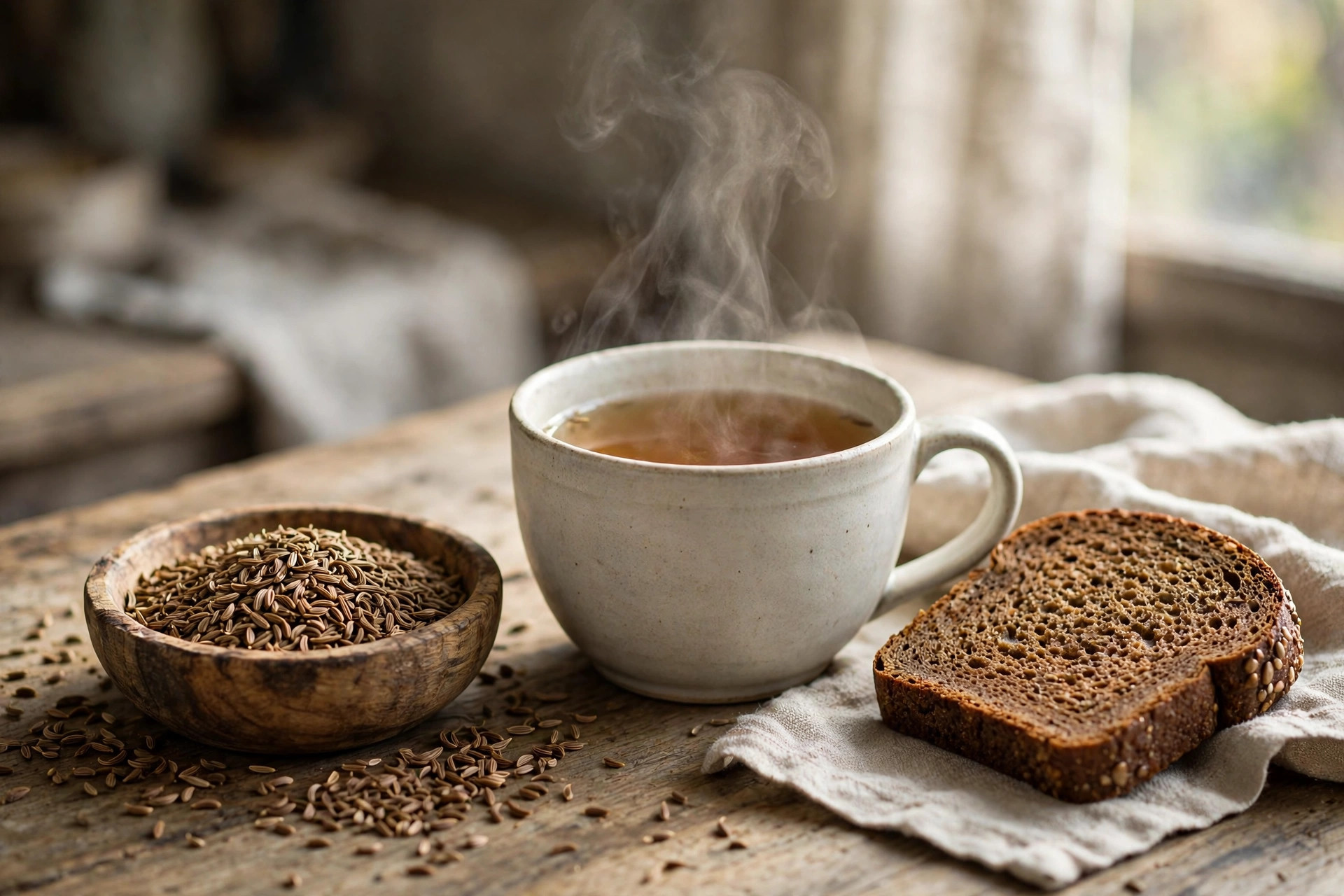
Caraway seeds are the small, crescent-shaped seeds that give rye bread its warm, slightly anise-like flavour — and they have been used as a home remedy for troubled digestion for thousands of years. Modern research is now catching up with tradition, and the evidence for caraway is stronger than for many better-known herbs.
What Are Caraway Seeds?
Caraway (Carum carvi) is a biennial plant in the same family as fennel, cumin and coriander. Its dried seeds have flavoured breads, sauerkraut, cheeses and stews across Central and Eastern Europe for centuries, and they were found in ancient Egyptian tombs — a sign of how long people have valued them.
Carvone and limonene: the active compounds
Most of caraway's effects come from its essential oil, which is roughly 50–70% carvone, alongside limonene and other terpenes. Carvone appears to relax smooth muscle in the gut wall, while the seeds also supply dietary fibre — around a third of their weight — which feeds friendly gut bacteria.
Caraway Seeds Benefits for Digestion
Digestion is where caraway's evidence is strongest. In a double-blind, placebo-controlled trial published in Phytomedicine, 120 adults with functional dyspepsia took 100 mg of caraway oil twice daily for four weeks; the caraway group reported roughly two-thirds less epigastric pain and post-meal fullness than the placebo group. A later trial of 122 adults found a similar pattern, with about 63% greater reduction in bloating and pain — results comparable to a low dose of omeprazole, but without acid-suppressing side effects.
Researchers believe the benefit works in several gentle ways at once: carvone eases cramping by calming overactive gut muscle, the volatile oils encourage bile flow and digestive enzyme release, and caraway appears to support motilin, a hormone that coordinates the gut's natural cleansing waves between meals.
A simple habit for after meals
Many people find that chewing a quarter-teaspoon of whole caraway seeds slowly after a heavy meal eases that over-full, gassy feeling. It is a small, food-based habit — no capsules or extracts needed — and it pairs naturally with a short, gentle walk.
Caraway Seeds and Gut Microbiome Balance
Caraway oil shows selective antimicrobial activity in laboratory studies, inhibiting organisms such as E. coli and Salmonella while largely sparing beneficial Lactobacillus and Bifidobacterium strains. A small 2020 pilot study also found higher butyrate levels — a marker of a healthy gut lining — in people taking 1.5 g of caraway powder daily for six weeks. The human evidence here is still early, so treat it as promising rather than proven.
How to Use Caraway Seeds at Home
Caraway is easiest to enjoy as food. Try a teaspoon of seeds kneaded into bread dough or sprinkled over roasted cabbage, carrots or potatoes, where their warmth cuts through richness beautifully. A simple caraway tea is another gentle option: lightly crush a teaspoon of seeds, steep in hot water for ten minutes, strain, and sip slowly after a meal. For a milder brew, combine caraway with fennel seeds and a little peppermint.
Who Should Be Careful With Caraway?
Caraway is generally recognised as safe in food amounts, but a few cautions are worth noting. The essential oil is far more concentrated than the seeds and should not be taken undiluted or in large doses. People who are pregnant should avoid medicinal quantities of caraway oil, as its compounds may stimulate the uterus — ordinary cooking amounts are considered fine. Anyone taking diabetes or blood-pressure medication should check with their clinician before using concentrated caraway products. And as always, if bloating or stomach pain is new, severe or persistent, speak to a healthcare professional rather than relying on a home remedy.
Related reading on Organic Health Fix
- Fermented Foods for Gut Health: What the Evidence Really Says
- Ginger Benefits: What the Evidence Really Says
- Ghee Benefits: What the Evidence Really Says
Tags: #CarawaySeeds #CarawayBenefits #GutHealth #Digestion #NaturalRemedies #WellnessTips #HerbalRemedies #HealthyDigestion
Comments
Post a Comment