Opening a jar, carrying shopping, holding a handrail or turning a key can feel harder than it used to. Grip strength is part of everyday life, yet it is easy to overlook until simple tasks take more effort. The good news is that hands and forearms often respond well to gentle, regular practice. This guide looks at what the evidence suggests, with practical home-friendly ideas and sensible cautions. What grip strength benefits really mean Researchers often use grip strength as a simple marker of overall muscle function because it is easy to measure and reflects how well the hands and forearms work together. In studies of adults, stronger grip tends to sit alongside better mobility and an easier time with daily activities. That does not mean a hand exerciser can guarantee any particular health outcome. It does suggest that keeping the hands active is a worthwhile part of a balanced routine , alongside walking, leg strength and balance practice. Many people find the most noticeable ch...
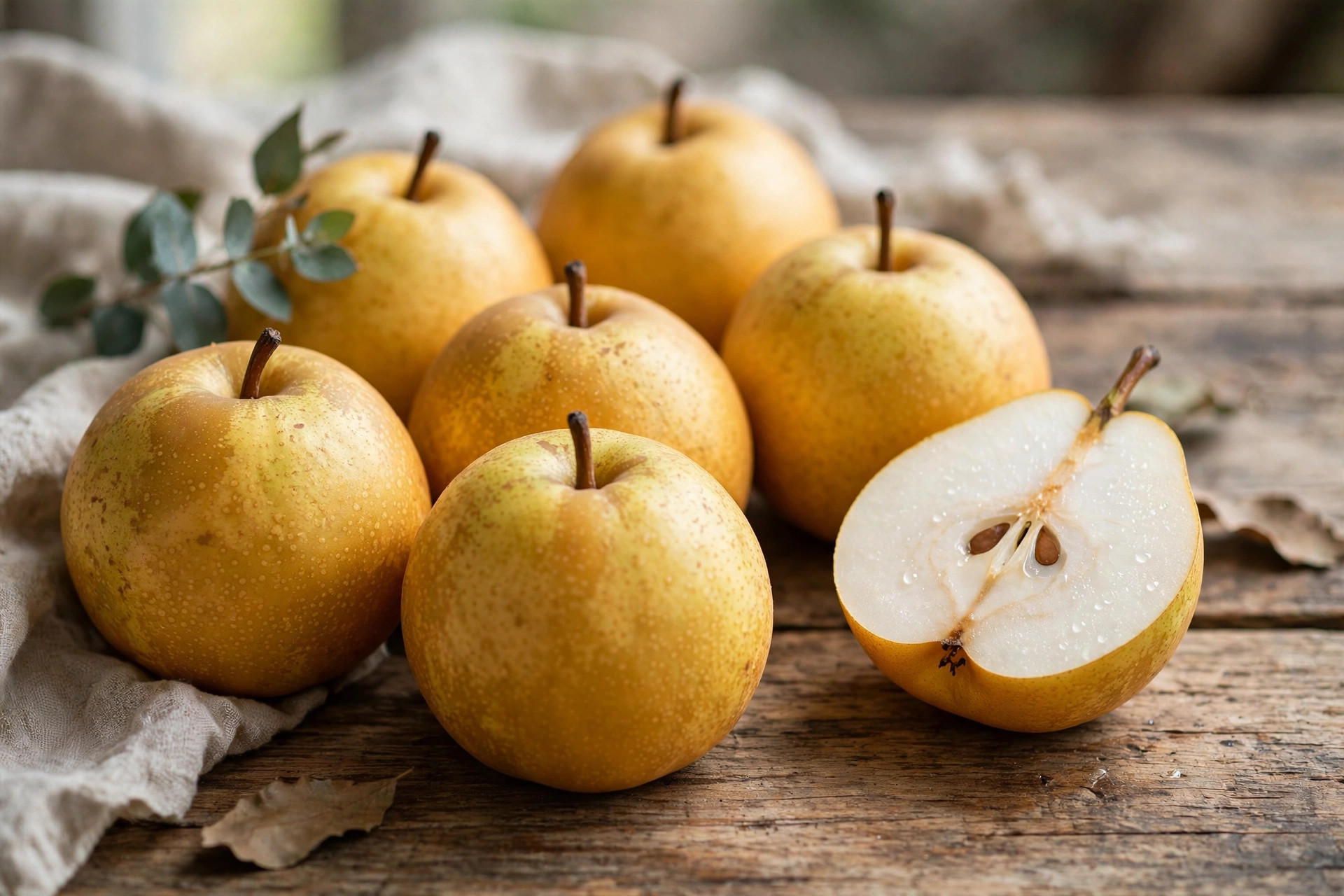
The nashi pear, also known as the Asian pear, looks like an apple but tastes like a pear — crisp, juicy and gently sweet. Long loved across East Asia, this round golden fruit is now easy to find in many supermarkets, bringing a useful mix of fibre, vitamin C and potassium. Here is what the evidence really says about nashi pear benefits.
Nashi Pear Nutrition: What Is Inside One Fruit?
A medium nashi pear (around 150 g) contains roughly 50 calories, about 4 g of fibre and close to 190 mg of potassium, along with vitamin C, vitamin K, folate and small amounts of copper and manganese. It is around 82–86% water, which makes it naturally hydrating, and its fibre includes pectin, a soluble fibre linked with gut and heart health. Many people find its crisp texture and mild sweetness make it an easy fruit to eat raw, with no preparation at all.
Nashi Pear Benefits for Gut Health
The fibre in nashi pears is one of their strongest points. Soluble fibre absorbs water and forms a soft gel that helps keep stools regular, while insoluble fibre adds bulk and supports comfortable digestion. Eating the fruit unpeeled, when the skin is clean and well washed, gives you more of that fibre. If you are increasing your fibre intake, do it gradually and drink plenty of water alongside — a sudden jump can cause bloating for some people.
A gentle way to add more fibre
Try it sliced into salads, grated over porridge, or eaten whole as a mid-afternoon snack. Its fibre and water content help you feel full for longer.
Vitamin C, Potassium and Heart Health
Nashi pears supply vitamin C, which supports normal immune function and helps the body make collagen for healthy skin. They also provide potassium, a mineral that helps maintain normal blood pressure as part of a balanced diet. The flavonoid antioxidants in pears have been associated in research with better heart health, and the fibre may help keep cholesterol levels in a healthy range. None of this makes the fruit a treatment on its own — it is simply one more sensible piece of a varied, plant-rich diet.
Nashi Pears and Blood Sugar
With a low glycaemic index and a good amount of fibre, nashi pears release their natural sugars slowly, which many people find helps them feel steady rather than spiky after eating. The fibre slows digestion, so the fruit works well as a snack between meals. In traditional Chinese medicine, nashi pears are also valued for their cooling, moisturising qualities and are traditionally used in warm soups or poached with a little honey for a dry cough — a comforting home remedy rather than a medical treatment.
How to Choose and Store Nashi Pears
Pick fruits that feel heavy for their size with smooth, unblemished skin and a gentle fragrance near the stem. Unlike European pears, nashi pears are eaten crisp, so there is no need to wait for them to soften. Store them in the fridge, where they keep well for one to two weeks. Slice just before serving to keep the flesh bright, and a squeeze of lemon juice will stop the cut surfaces from browning. For a light dessert, poach slices with a cinnamon stick for ten minutes and serve warm with natural yoghurt.
Related reading on Organic Health Fix
- Daikon Benefits: What the Evidence Really Says
- Ugli Fruit Benefits: What the Evidence Really Says
- Winter Squash Benefits: What the Evidence Really Says
Tags: #NashiPear #AsianPear #GutHealth #VitaminC #NaturalRemedies #WellnessTips #HealthyEating #Nutrition
Comments
Post a Comment