Opening a jar, carrying shopping, holding a handrail or turning a key can feel harder than it used to. Grip strength is part of everyday life, yet it is easy to overlook until simple tasks take more effort. The good news is that hands and forearms often respond well to gentle, regular practice. This guide looks at what the evidence suggests, with practical home-friendly ideas and sensible cautions. What grip strength benefits really mean Researchers often use grip strength as a simple marker of overall muscle function because it is easy to measure and reflects how well the hands and forearms work together. In studies of adults, stronger grip tends to sit alongside better mobility and an easier time with daily activities. That does not mean a hand exerciser can guarantee any particular health outcome. It does suggest that keeping the hands active is a worthwhile part of a balanced routine , alongside walking, leg strength and balance practice. Many people find the most noticeable ch...
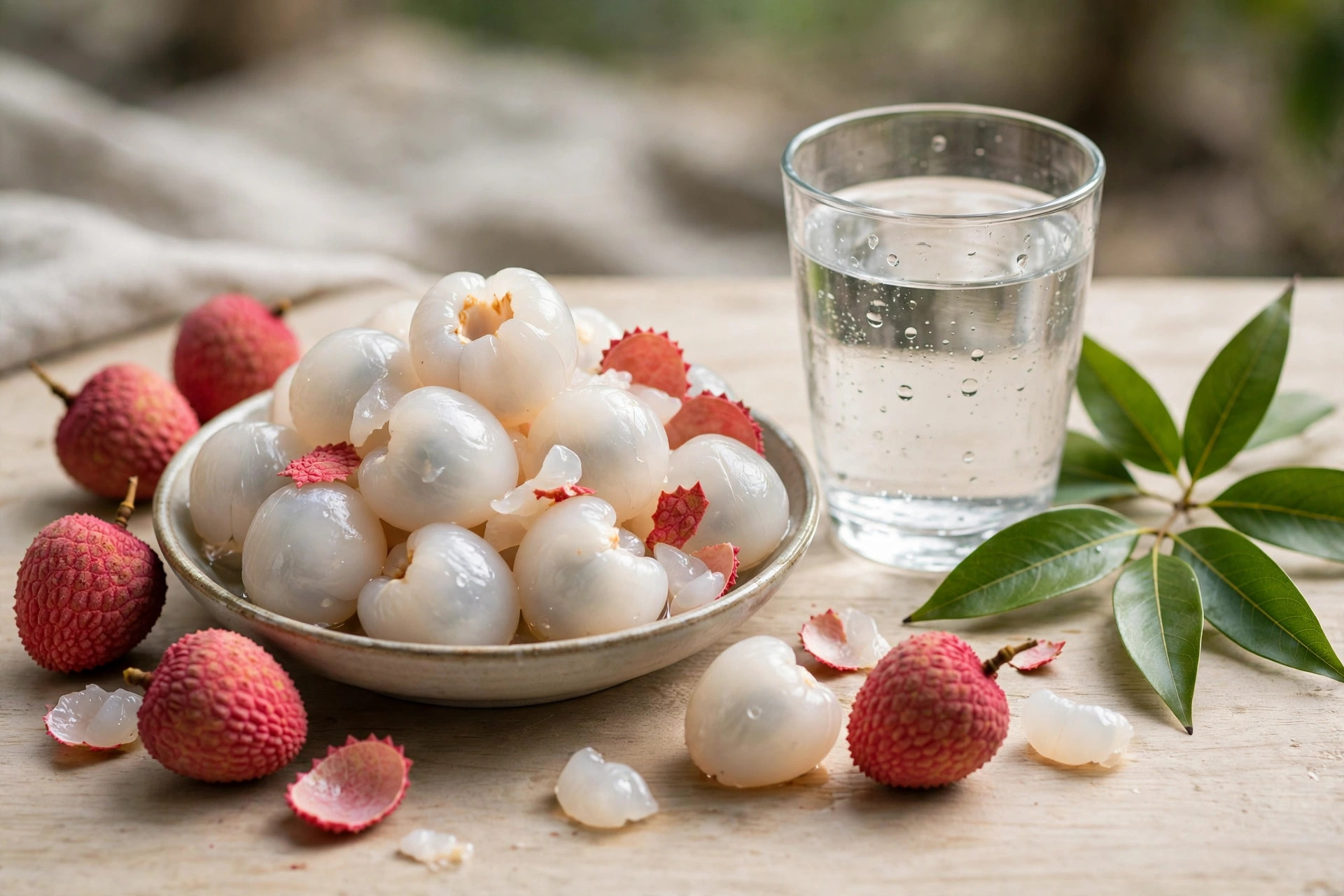
Lychee is a small tropical fruit with a rough pink-red shell and sweet, translucent flesh. Long enjoyed across Asia, it has become a familiar sight in fruit bowls around the world. But beyond its delicate flavour, what does the evidence actually say about lychee and everyday wellbeing? Here is a calm, honest look.
What is in a lychee?
A cup of fresh lychee (around 190 grams) provides roughly 125 calories, about 1.3 grams of fibre per 100 grams, and a generous amount of vitamin C — a single 100-gram serving can cover most of an adult's daily vitamin C needs. Lychees also supply potassium, small amounts of copper and B vitamins, and plant compounds called polyphenols, including oligonol, which researchers continue to study.
Like most fruit, lychee is mostly water and natural sugars, so it is best enjoyed as part of a varied diet rather than in very large amounts at once.
Lychee benefits for immunity and skin
Vitamin C plays a well-established role in normal immune function and in the body's production of collagen, the protein that helps keep skin firm and supports wound healing. Because lychee is so rich in vitamin C, a modest portion makes a genuinely useful contribution to daily intake.
Many people find that eating a mix of vitamin C-rich fruits — lychee, citrus, berries — is an easy way to support skin health from the inside out. The antioxidants in lychee, including polyphenols, may also help the body deal with everyday oxidative stress, although most of this evidence still comes from laboratory and animal studies rather than large human trials.
Lychee and gut health
Lychee contains both soluble fibre and water, a combination that many people find gentle on digestion and helpful for regular bowel habits. The fruit's polyphenols are also being studied for their possible prebiotic role — feeding the beneficial bacteria that live in the gut — though this research is still at an early stage.
A simple habit is to enjoy a handful of fresh lychees after a meal, or stirred into plain yoghurt, where the fruit's fibre works alongside the yoghurt's live cultures.
How to enjoy lychee simply
Peel away the shell, remove the stone, and eat the flesh fresh. Lychee is lovely on its own, tossed into fruit salads, blended into smoothies, or frozen and eaten like a sorbet on warm days. Dried lychee is more concentrated in sugar, so fresh is usually the gentler choice.
What the evidence does not show
It is worth being clear about the limits. There are no large, long-term human trials showing that lychee prevents or treats any disease. Most of the excitement around its polyphenols comes from small or early-stage studies. Lychee is a nutritious fruit that can support a healthy diet — not a medicine.
One caution: lychee should always be eaten ripe. Unripe lychee eaten in large amounts on an empty stomach has been linked to low blood sugar in rare cases, mainly in undernourished children. Ripe fruit eaten in normal portions as part of a meal is generally considered safe for most adults.
Related reading on Organic Health Fix
- Peach Benefits: What the Evidence Really Says
- Orange Benefits: What the Evidence Really Says
- Plum Benefits: What the Evidence Really Says
Tags: #LycheeBenefits #NaturalRemedies #WellnessTips #GutHealth #VitaminC #HealthyEating #FruitBenefits #OrganicHealthFix
Comments
Post a Comment