Opening a jar, carrying shopping, holding a handrail or turning a key can feel harder than it used to. Grip strength is part of everyday life, yet it is easy to overlook until simple tasks take more effort. The good news is that hands and forearms often respond well to gentle, regular practice. This guide looks at what the evidence suggests, with practical home-friendly ideas and sensible cautions. What grip strength benefits really mean Researchers often use grip strength as a simple marker of overall muscle function because it is easy to measure and reflects how well the hands and forearms work together. In studies of adults, stronger grip tends to sit alongside better mobility and an easier time with daily activities. That does not mean a hand exerciser can guarantee any particular health outcome. It does suggest that keeping the hands active is a worthwhile part of a balanced routine , alongside walking, leg strength and balance practice. Many people find the most noticeable ch...
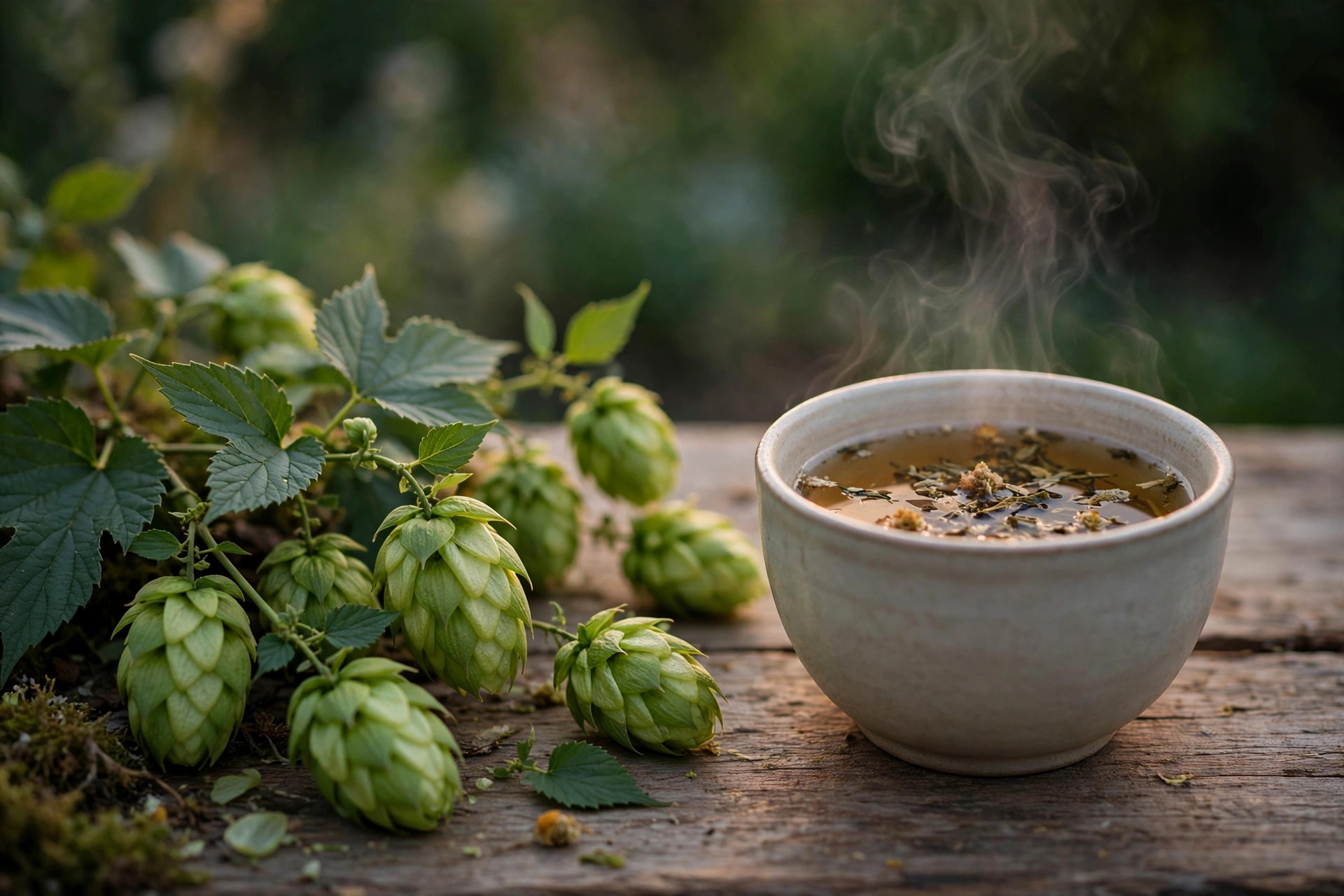
Hops are the papery green cones of the hop plant, best known for giving beer its bitterness. They also have a long history as a calming herb, traditionally used in teas and evening routines. Today hops appear in many herbal sleep products, often combined with valerian. This guide explains what the evidence really says, so you can understand the research without expecting a quick fix for sleep or stress.
What hops benefits research actually shows
The honest picture is modest. In Europe, hop preparations are recognised as a traditional herbal medicine for mild mental stress and to aid sleep, based on long traditional use rather than strong trial proof. Almost every positive human sleep trial tested hops combined with valerian, so researchers cannot say how much of any effect comes from hops alone.
The largest trial of a valerian and hops combination found small improvements in diary-reported sleep and quality of life, with no clear difference in laboratory-measured sleep. Smaller studies of hop-containing mixtures have given mixed results, including some with no benefit over placebo. Hops are therefore best viewed as a traditional remedy with limited evidence, not a proven treatment for insomnia or anxiety.
How hops are traditionally used
Traditionally, dried hop cones are steeped as a bitter herbal tea, used in tinctures, or placed in small pillows by the bed. Modern products usually use standardised extracts, often blended with valerian, lemon balm or passionflower. Because products vary widely, the amount of hop compounds in one tea or tablet may differ greatly from another.
Many people find that a warm evening drink itself becomes part of a calming routine. Dimming lights, putting screens away and keeping a regular bedtime are simple habits that support sleep for many people, whether or not hops are involved. A gentle routine is a safer foundation than relying on any single herb.
Gentle ways to think about hops at home
If you enjoy herbal teas, a mild hop tea in the evening is a traditional option, though its flavour is distinctly bitter. Some people blend it with lemon balm or chamomile for taste. Start with a small amount, notice how you feel, and avoid using hops as a substitute for medical care if sleep problems persist.
Keep expectations realistic. Hops will not correct irregular schedules, excess caffeine, alcohol late in the evening or untreated health conditions that disturb sleep. If poor sleep continues for weeks, affects daytime life, or comes with low mood or anxiety, professional assessment is more helpful than trying stronger herbal products.
Sensible cautions to keep in mind
Hops may cause drowsiness and may add to the effects of alcohol and sedative medicines, so do not drive if affected and speak to a healthcare professional before combining hops with such medicines. Hops contain plant compounds with oestrogen-like activity in laboratory tests, so anyone with a hormone-sensitive condition should seek medical advice first. Hops are not recommended in pregnancy or breastfeeding, and hop products are not suitable for children without professional guidance.
One important household caution: hops can be dangerous to dogs, causing a serious rise in body temperature. Keep hop cones, teas and brewing leftovers well away from pets. This article is general wellness information only and is not medical advice.
Related reading on Organic Health Fix
- Morning Sunlight for Better Sleep: What the Evidence Really Says
- Tart Cherry Juice for Sleep: What the Evidence Really Says
- Box Breathing Benefits: What the Evidence Really Says
Tags: #HopsBenefits #NaturalRemedies #WellnessTips #Sleep #HerbalRemedies #StressRelief
Comments
Post a Comment