Opening a jar, carrying shopping, holding a handrail or turning a key can feel harder than it used to. Grip strength is part of everyday life, yet it is easy to overlook until simple tasks take more effort. The good news is that hands and forearms often respond well to gentle, regular practice. This guide looks at what the evidence suggests, with practical home-friendly ideas and sensible cautions. What grip strength benefits really mean Researchers often use grip strength as a simple marker of overall muscle function because it is easy to measure and reflects how well the hands and forearms work together. In studies of adults, stronger grip tends to sit alongside better mobility and an easier time with daily activities. That does not mean a hand exerciser can guarantee any particular health outcome. It does suggest that keeping the hands active is a worthwhile part of a balanced routine , alongside walking, leg strength and balance practice. Many people find the most noticeable ch...
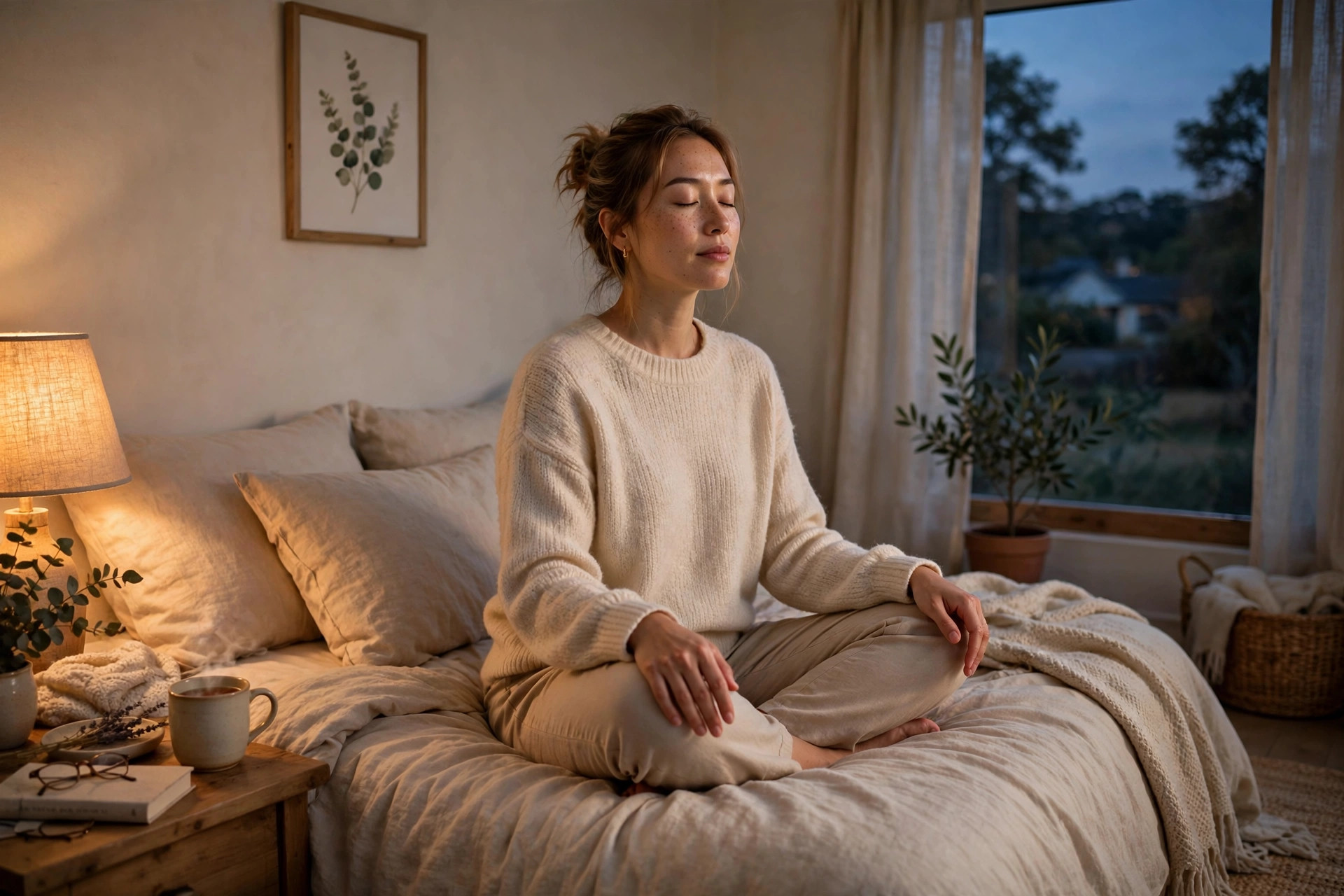
Box breathing is one of the simplest calm-down tools there is: four equal counts — breathe in, hold, breathe out, hold — repeated for a few minutes. It needs no equipment, no app and no special setting. But does such a simple technique actually do anything? Here is what the evidence really says, and how to try it gently at home.
What Is Box Breathing?
Box breathing, also called four-square breathing or 4-4-4-4 breathing, divides each breath into four equal phases. You breathe in for four seconds, hold for four, breathe out for four, and hold again for four, then go round again. At that pace you take about four breaths a minute, well into the slow-breathing range researchers associate with calm. The even counts give a busy mind something simple to follow, which is part of the point.
How to Practise Box Breathing
Sit comfortably with your back supported, or lie down if you are using it before bed. Breathe in gently through your nose for a slow count of four, letting your belly rise rather than your chest. Hold for four. Breathe out slowly through your mouth for four, then hold again for four before the next round.
A simple four-round routine
Start with four rounds, which takes just over a minute. If it feels comfortable, continue for three to five minutes. If four seconds feels too long, shorten every phase to three seconds; the equal counts matter more than the exact number. And if holding your breath feels uncomfortable at any point, skip the holds and simply breathe in and out slowly instead.
What the Research Says About Box Breathing Benefits
Slow breathing works through the nervous system. Breathing slowly activates the parasympathetic branch — the body's rest-and-digest mode — and eases the fight-or-flight response driven by stress hormones such as cortisol and adrenaline. Breathing slower than ten breaths a minute has been linked in reviews to higher heart rate variability and less anxiety.
Stress and mood
A meta-analysis of 12 randomised trials involving 785 adults found breathwork linked to lower self-reported stress than control conditions, with a small-to-medium effect. In a 2023 Stanford trial published in Cell Reports Medicine, adults who practised five minutes of breathing a day for a month reported greater improvements in mood than those who practised mindfulness meditation. The honest reading is encouraging but modest: breathing helps many people feel calmer in the moment, and regular practice seems to help more than occasional use.
Focus and sleep
Many people find the counting helps them focus, because it anchors attention on one simple rhythm. The sleep evidence is thinner: box breathing has not been shown in trials to treat insomnia. What it can do is help you wind down — slowing the body and quieting a busy mind before bed is a sensible part of a wind-down routine, even if falling asleep itself is not guaranteed.
Who Should Take Care
Box breathing is gentle, but the breath holds are not for everyone. Do not force the holds or hold your breath until you feel light-headed; ease off or drop the holds entirely if you feel uncomfortable. People with breathing difficulties, low blood pressure, or a history of fainting should check with their clinician before practising breath-holding techniques. Box breathing is a supportive habit, not a treatment for anxiety, panic or insomnia — if those persist, they deserve a conversation with a clinician rather than a stronger breathing routine.
Related reading on Organic Health Fix
- Meditation Benefits: What the Evidence Really Says
- Journaling Benefits: What the Evidence Really Says
- Walking Benefits: What the Evidence Really Says
Tags: #BoxBreathing #BreathingExercises #StressRelief #BetterSleep #NaturalRemedies #WellnessTips #CalmMind #MindfulBreathing
Comments
Post a Comment